Loading...
Also known as:
Per 100g
Nutrition data source: USDA FoodData Central
Common measurement equivalents in grams

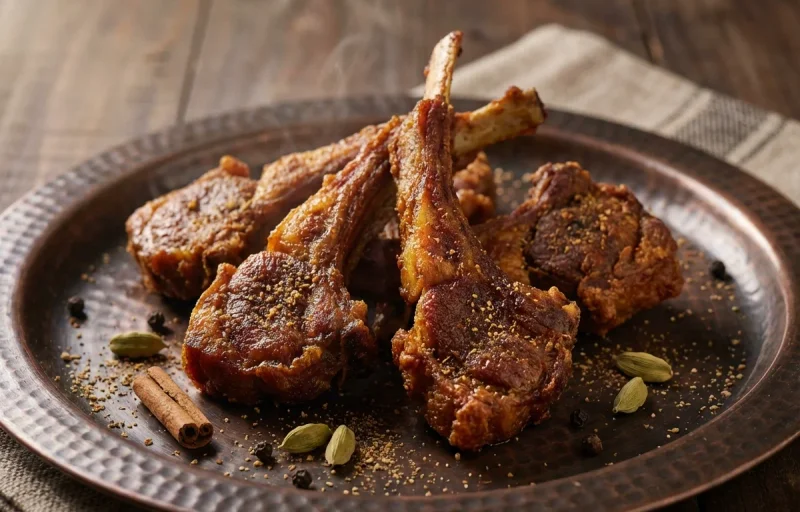
Succulent mutton ribs, first simmered in a fragrant milk and spice bath until fall-off-the-bone tender, then fried in ghee to a perfect golden crisp. A celebrated delicacy from the heart of Kashmir.

A traditional Chettinad soup made from tender mutton ribs, slow-cooked with aromatic spices. This peppery, flavorful broth is both comforting and restorative, perfect for a chilly day or as a nourishing start to a meal.

Succulent mutton ribs, first simmered with fragrant whole spices until incredibly tender, then fried in pure ghee to a perfect crisp. A celebrated dish from the heart of Kashmir, this is a meat lover's delight.
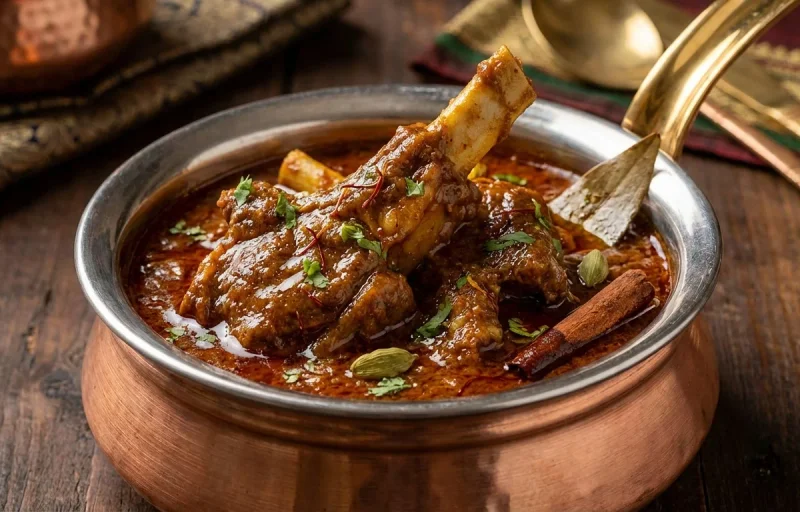
Tender mutton ribs slow-cooked to perfection in a rich, aromatic gravy of yogurt, nuts, and fragrant spices. A classic Mughlai delicacy, this dish is a true celebration of flavors, perfect with naan or paratha.
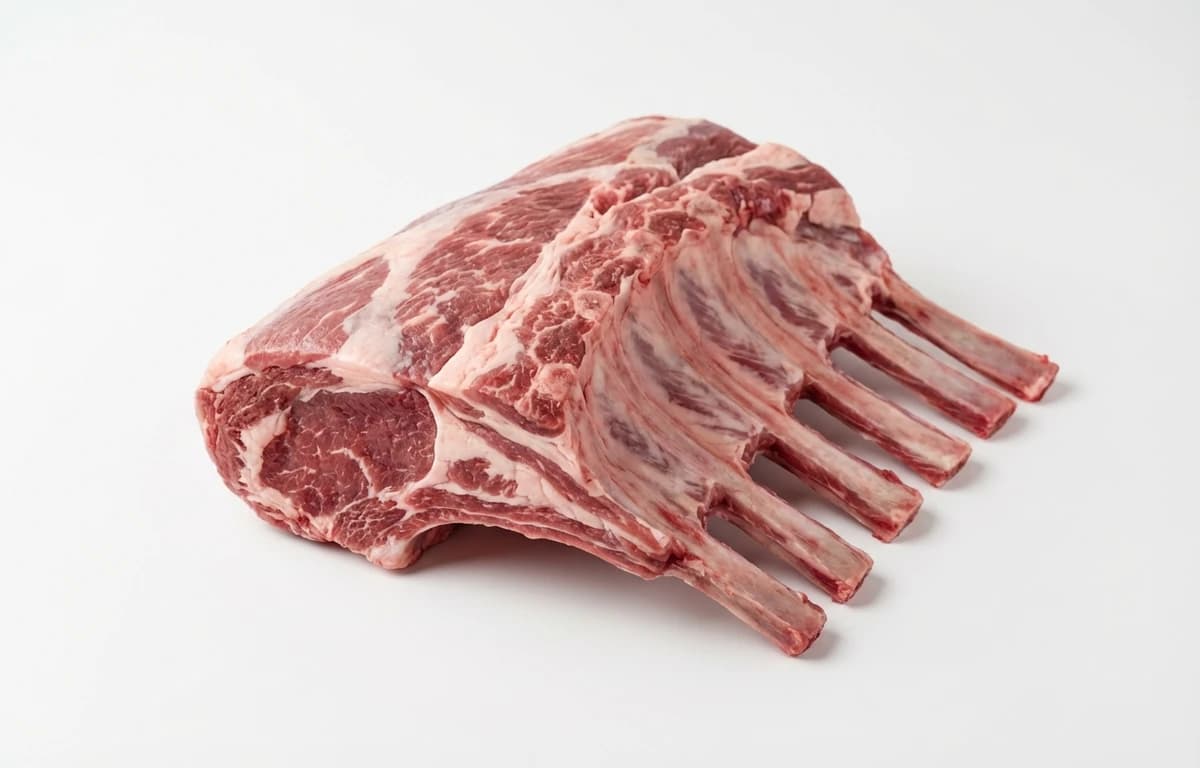
Mutton ribs are an excellent source of high-quality protein, essential for muscle growth and repair, and rich in iron, B vitamins, zinc, and selenium. However, they are also high in calories and fat, particularly saturated fat. Enjoy them in moderation as part of a balanced diet.
Per 100g, mutton ribs typically contain around 290 calories, 17g of protein, 0g of carbohydrates, and 25g of fat. They also provide essential micronutrients like iron, B vitamins, zinc, and selenium, which support various bodily functions.
Yes, mutton ribs are an excellent source of high-quality protein, providing all essential amino acids necessary for muscle growth and repair. The 17g of protein per 100g makes them a beneficial food for those looking to increase muscle mass, when consumed as part of a balanced diet.
Yes, mutton ribs are generally considered keto-friendly. They contain 0g of carbohydrates and are high in fat and protein, which aligns well with the macronutrient ratios of a ketogenic diet. However, be mindful of portion sizes due to their calorie density.
Mutton ribs are low in carbohydrates (0g per 100g), which means they won't directly spike blood sugar levels. However, they are high in fat, so diabetics should consume them in moderation and be mindful of overall fat intake as part of their dietary management plan.
Yes, fresh mutton ribs are naturally gluten-free. As a pure meat product, they do not contain any gluten. However, always check ingredients if using marinades, rubs, or sauces, as these might contain gluten-containing components.
mutton ribs is a versatile ingredient found in cuisines around the world. With 290 calories per 100g and 17 grams of protein, it's a nutritious addition to many dishes.
Explore more ingredients in the meat category with complete nutrition information.
View all meat →Discover 4 recipes featuring mutton ribs with step-by-step instructions.
Browse recipes →Explore more ingredients similar to mutton ribs.
The most-searched ingredients on CraftMyMeals.
Mutton ribs benefit from slow cooking methods like braising, stewing, or smoking, which tenderize the meat and render the fat. They can also be grilled or roasted after a good marinade, but ensure they are cooked thoroughly to achieve tenderness.
Mutton ribs have a rich, robust, and distinctively gamey flavor compared to lamb, with a tender texture when cooked properly. The fat content contributes to their succulence and deep flavor profile, making them a flavorful choice for hearty dishes.
Fresh mutton ribs should be stored in the coldest part of your refrigerator, ideally at 40°F (4°C) or below, and consumed within 3-5 days. For longer storage, wrap them tightly and freeze them, where they can last for 6-9 months.
Mutton can be halal or kosher, depending on how the animal was raised and slaughtered according to Islamic (halal) or Jewish (kosher) dietary laws. The meat itself is permissible, but its preparation must adhere to specific religious guidelines to be certified as such.