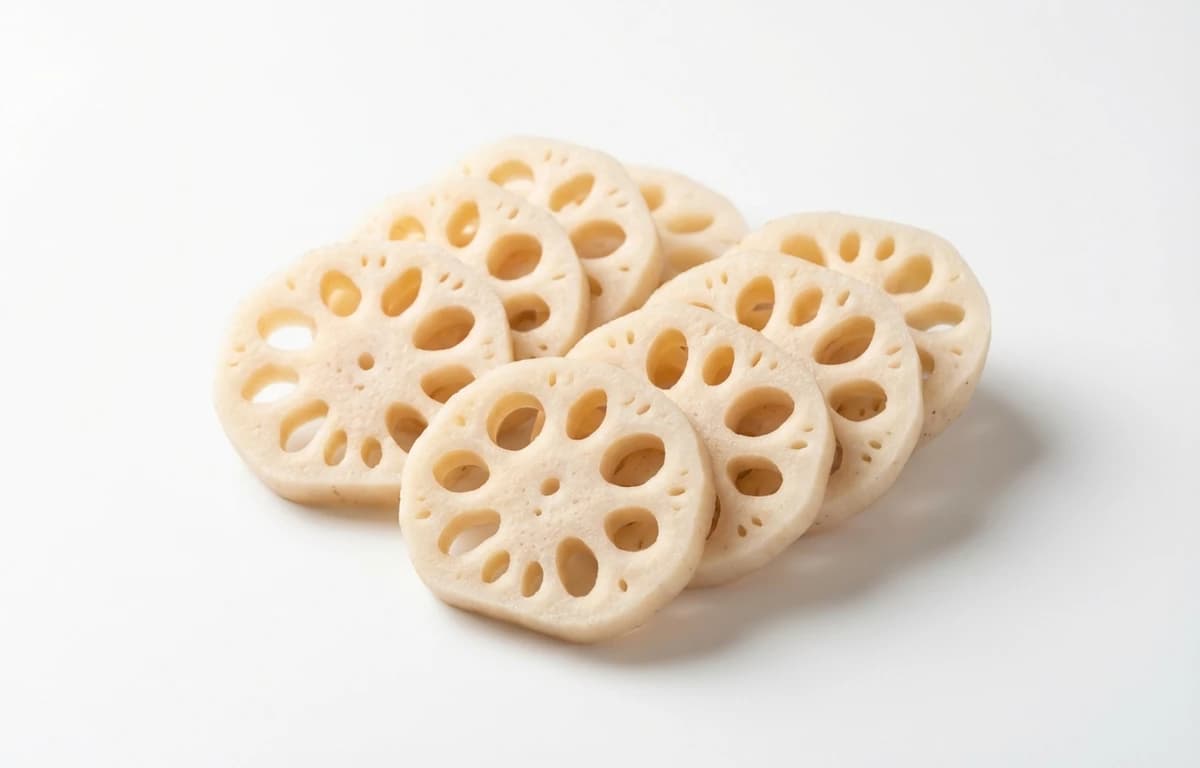
nadur
Also known as:
Loading...
Also known as:
Per 100g
Nutrition data source: USDA FoodData Central
Yes, nadur is very healthy. It's rich in dietary fiber, which aids digestion and helps regulate blood sugar. It's also an excellent source of Vitamin C, a powerful antioxidant, and contains important minerals like potassium, iron, and copper, along with B-complex vitamins.
Per 100g, nadur contains approximately 74 calories, 2.6g of protein, 17.23g of carbohydrates, and only 0.1g of fat. It is also rich in dietary fiber, Vitamin C, potassium, iron, copper, and B-complex vitamins.
Yes, nadur can be beneficial for weight loss. It is low in calories and fat, while being rich in dietary fiber. The fiber helps promote satiety, reducing overall calorie intake and supporting healthy digestion.
Yes, as a vegetable, nadur is naturally suitable for both vegan and vegetarian diets. It can be a nutritious and versatile addition to plant-based meals, providing essential vitamins and minerals.
Yes, nadur is naturally gluten-free. As an unprocessed vegetable, it does not contain any gluten, making it a safe and healthy option for individuals with celiac disease or gluten sensitivity.
Yes, nadur can be a good choice for diabetics. Its high dietary fiber content helps regulate blood sugar levels by slowing down glucose absorption. However, as with any carbohydrate, portion control is always important.
Nadur is a versatile vegetable that can be cooked in various ways. It can be boiled, steamed, roasted, stir-fried, or added to curries and stews. Ensure it's cooked until tender but not mushy to retain its texture and nutrients.
nadur is a versatile ingredient found in cuisines around the world. With 74 calories per 100g and 2.6 grams of protein, it's a nutritious addition to many dishes.
Explore more ingredients in the vegetable category with complete nutrition information.
View all vegetable →Nadur typically has a mild, slightly earthy flavor, often compared to other root vegetables or tubers. Its taste can be enhanced by various spices and cooking methods, making it adaptable to many cuisines.
To store nadur, keep it in a cool, dry, and dark place, similar to potatoes or other root vegetables. If refrigerated, place it in a perforated bag in the crisper drawer, where it can last for several weeks.
While some vegetables are safe raw, it is generally recommended to cook nadur. Cooking helps soften its texture, improves digestibility, and can enhance the bioavailability of some nutrients, especially for root vegetables.