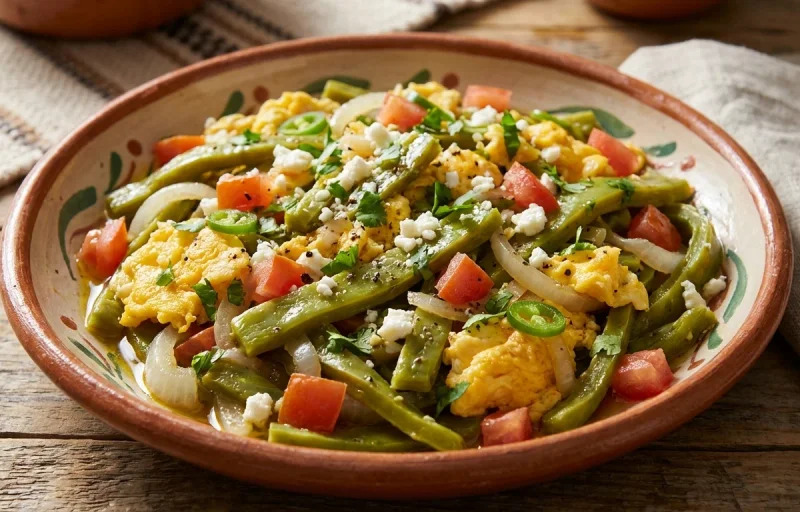
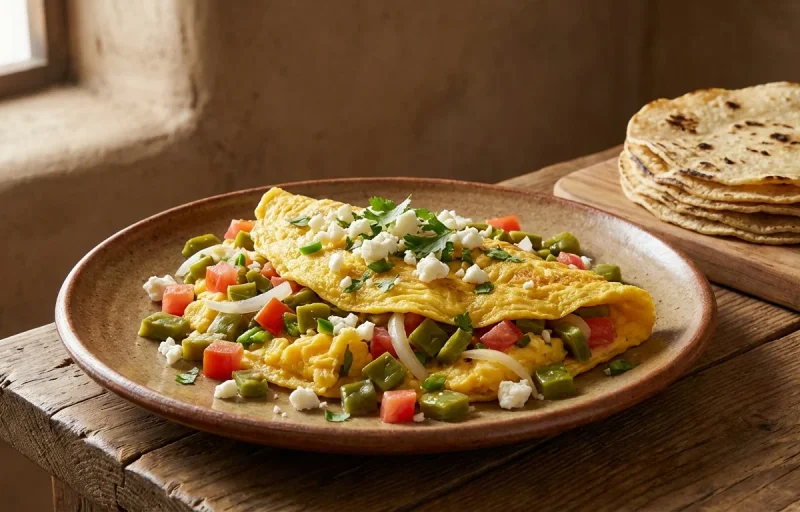
Other1 recipes
nopales.
VegetarianVeganGluten-freeDairy-freeNut-freePeanut-freeSoy-freeEgg-freeShellfish-freeHoney-freeAlcohol-freeHalalKosher
ALSO KNOWN AS
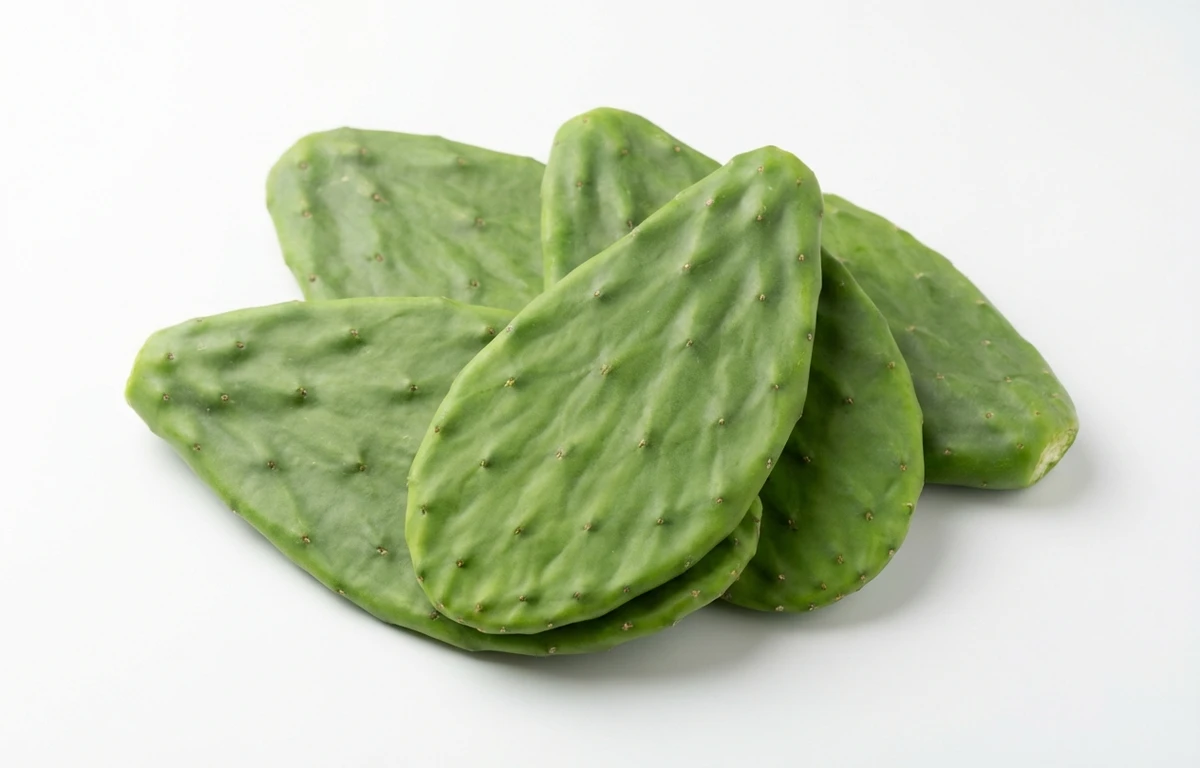
cactus padraw nopalescactus padsprickly pear padsnopalitos
SERVING
CALORIES
16
PROTEIN
1.3g
CARBS
3.3g
FAT
0.09g
FIBER
2.2g
This ingredient is flagged as naturally gluten-free. Per 100 g, it provides 5.3 µg of vitamin K.
NUTRITION PROFILE · per 100 g
Everything in this ingredient.
MACRONUTRIENTS
Calories16kcal—
Protein1.3g3%
Carbohydrates3.3g1%
Fiber2.2g8%
Sugar1.1g2%
Total fat0.09g0%
Saturated fat0.02g0%
Trans fat0g—
Cholesterol0mg0%
Water94.1g—
MINERALS
Sodium21mg1%
Potassium257mg5%
Calcium164mg13%
Iron0.59mg3%
Magnesium52mg12%
Phosphorus16mg1%
Zinc0.40mg4%
Copper0.08mg9%
Manganese0.45mg20%
Selenium0.70µg1%
VITAMINS
Vitamin A23µg3%
Vitamin C9.3mg10%
Vitamin D0µg0%
Vitamin E0.46mg3%
Vitamin K5.3µg4%
Thiamin (B1)0.01mg1%
Riboflavin (B2)0.04mg3%
Niacin (B3)0.41mg3%
Pantothenic acid (B5)0.15mg3%
Vitamin B60.07mg4%
Folate (B9)3.0µg1%
Vitamin B120µg0%
%DV based on a 2,000 cal diet. Source: USDA FoodData Central. A dash in the %DV column means there’s no established Daily Value for that nutrient.
MEASUREMENT CONVERSIONS
How much is what.
1 cup150g
1 oz28.4g
1 lb453.6g
1 piece100g
HEALTH BENEFITS
Why eat it.
- ✓High in dietary fiber which aids digestion
COOKING TIPS
In the kitchen.
- 1Boil with a piece of onion or husks to help reduce the mucilage (slime)
- 2Grill or sear over high heat to achieve a smoky flavor and firm texture
- 3Rinse thoroughly under cold water after boiling to remove excess liquid
STORAGE
Keep it fresh.
- Wrap unwashed pads in plastic and refrigerate for up to 2 weeks
- Keep pads dry to prevent the development of surface slime
- Store cleaned and sliced pads in an airtight container for 3-5 days
FAQ
Frequently asked questions.
How long do fresh nopales last?
Fresh, uncleaned cactus pads can last up to 2 weeks in the refrigerator when kept dry and wrapped in plastic.
How do I pick the best nopales?
Look for pads that are firm, bright green, and thin. Avoid pads that are limp, wrinkled, or have dark soft spots.
What is a good substitute for nopales?
Green beans or okra are the best substitutes due to their similar texture and slightly tart flavor profile.
How do you remove the spines safely?
Hold the pad by the base and use a sharp knife to scrape against the grain of the spines, or trim the edges and 'eyes' where spines grow.
What do nopales taste like?
They have a light, slightly tart flavor similar to green beans or asparagus, with a crisp texture that can become mucilaginous when cooked.
Can you eat nopales raw?
Yes, they can be eaten raw in salads (often called Ensalada de Nopales) once the spines are removed and they are finely diced.
Can you freeze nopales?
Yes, it is best to blanch them for 2-3 minutes, drain, and then freeze them in airtight bags for up to 6 months.
Why are nopales slimy when cooked?
Like okra, they contain mucilage. This can be reduced by grilling, sautéing over high heat, or boiling with acidic ingredients like tomatillos.
RECIPES
Cook with nopales.
1 recipes · sorted by what’s quick