Other10 recipes
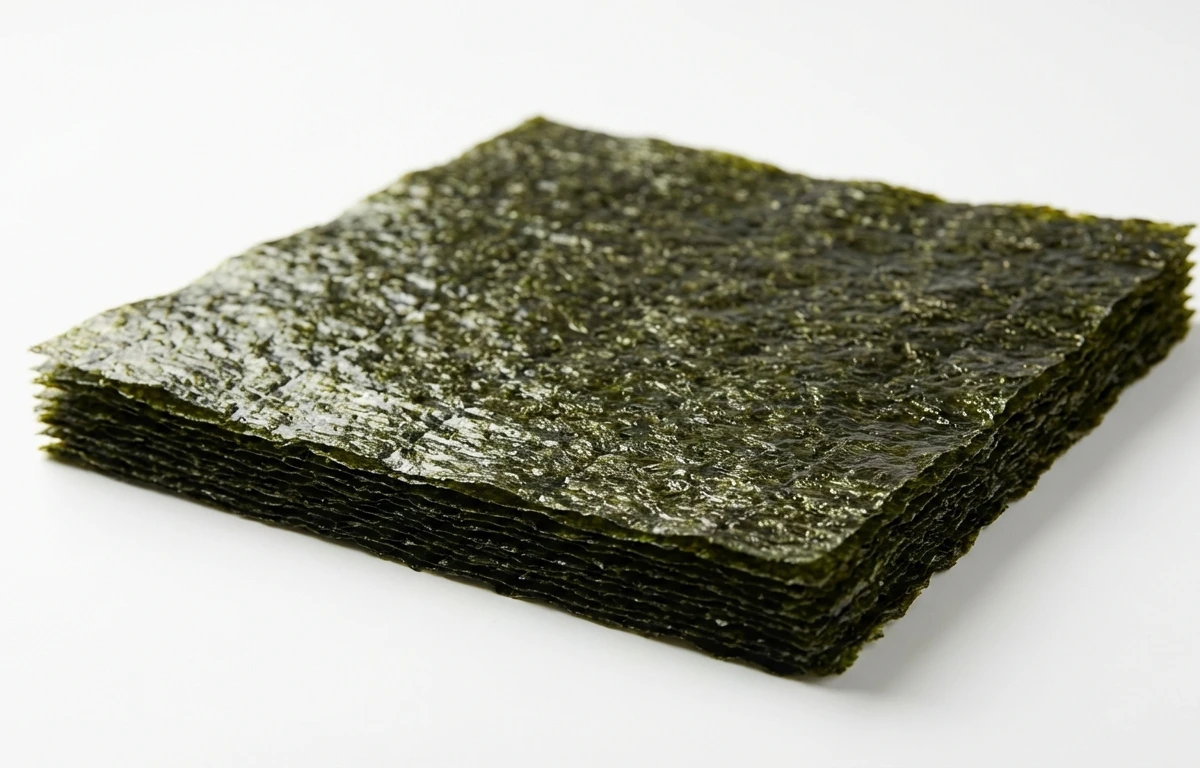
nori.
VegetarianVeganGluten-freeDairy-freeNut-freePeanut-freeSoy-freeEgg-freeShellfish-freeHoney-freeAlcohol-free
ALSO KNOWN AS
nori sheetseaweed
SERVING
CALORIES
54
PROTEIN
5.8g
CARBS
7.1g
FAT
0.30g
FIBER
0.30g
This ingredient is flagged as naturally gluten-free. Per 100 g, it provides 231 µg of vitamin K.
NUTRITION PROFILE · per 100 g
Everything in this ingredient.
MACRONUTRIENTS
Calories54.3kcal—
Protein5.8g12%
Carbohydrates7.1g3%
Fiber0.30g1%
Sugar0.30g1%
Total fat0.30g0%
Saturated fat0.05g0%
Cholesterol0mg0%
MINERALS
Sodium100mg4%
Potassium1000mg21%
Calcium150mg12%
Iron3.3mg18%
Magnesium303mg72%
Phosphorus300mg24%
Zinc3.0mg28%
Copper0.35mg39%
Manganese2.0mg88%
Selenium0.07µg0%
VITAMINS
Vitamin A250µg28%
Vitamin C39.2mg44%
Vitamin D0µg0%
Vitamin E1.1mg7%
Vitamin K231µg193%
Thiamin (B1)0.21mg18%
Riboflavin (B2)1.5mg115%
Niacin (B3)3.0mg19%
Pantothenic acid (B5)0.50mg10%
Vitamin B60.10mg6%
Folate (B9)150µg38%
Vitamin B1230.3µg1263%
%DV based on a 2,000 cal diet. Source: USDA FoodData Central. A dash in the %DV column means there’s no established Daily Value for that nutrient.
MEASUREMENT CONVERSIONS
How much is what.
1 piece3g
HEALTH BENEFITS
Why eat it.
- ✓Excellent source of iodine, which is crucial for healthy thyroid function and hormone regulation.
- ✓Provides a source of plant-based omega-3 fatty acids (EPA), beneficial for heart and brain health.
COOKING TIPS
In the kitchen.
- 1For a crispier texture and enhanced nutty flavor, lightly toast nori sheets by quickly passing them over a low gas flame or in a dry pan for a few seconds.
- 2Use the shiny, smooth side of the nori sheet facing down (outward) when making sushi rolls for a more appealing presentation.
- 3Cut toasted nori into thin strips with scissors to use as a flavorful umami garnish for soups, salads, rice bowls, and noodles.
- 4Crumble nori sheets and mix with salt and sesame seeds to create a homemade furikake seasoning.
STORAGE
Keep it fresh.
- Store in an airtight container or resealable bag in a cool, dark, and dry place, such as a pantry.
- Include the desiccant packet that comes in the packaging to absorb moisture and keep the sheets crisp. Consume within a few weeks of opening for best quality.
FAQ
Frequently asked questions.
How many calories and how much protein are in nori?
Per 100 grams, nori contains approximately 35 calories and 5.81 grams of protein. It is a low-calorie, high-protein option, especially for a vegetable, making it a great addition to various diets.
Is nori vegan and gluten-free?
Yes, nori is both vegan and naturally gluten-free. It is a type of edible seaweed, making it suitable for plant-based diets. Always check product labels for any added ingredients if you have severe allergies or dietary restrictions.
Is nori keto-friendly?
Yes, nori is generally considered keto-friendly. It is very low in net carbohydrates, with about 7.1g of total carbs per 100g, much of which is fiber. It can be a great way to add flavor and nutrients to a ketogenic diet without significantly impacting carb intake.
How is nori typically used in cooking?
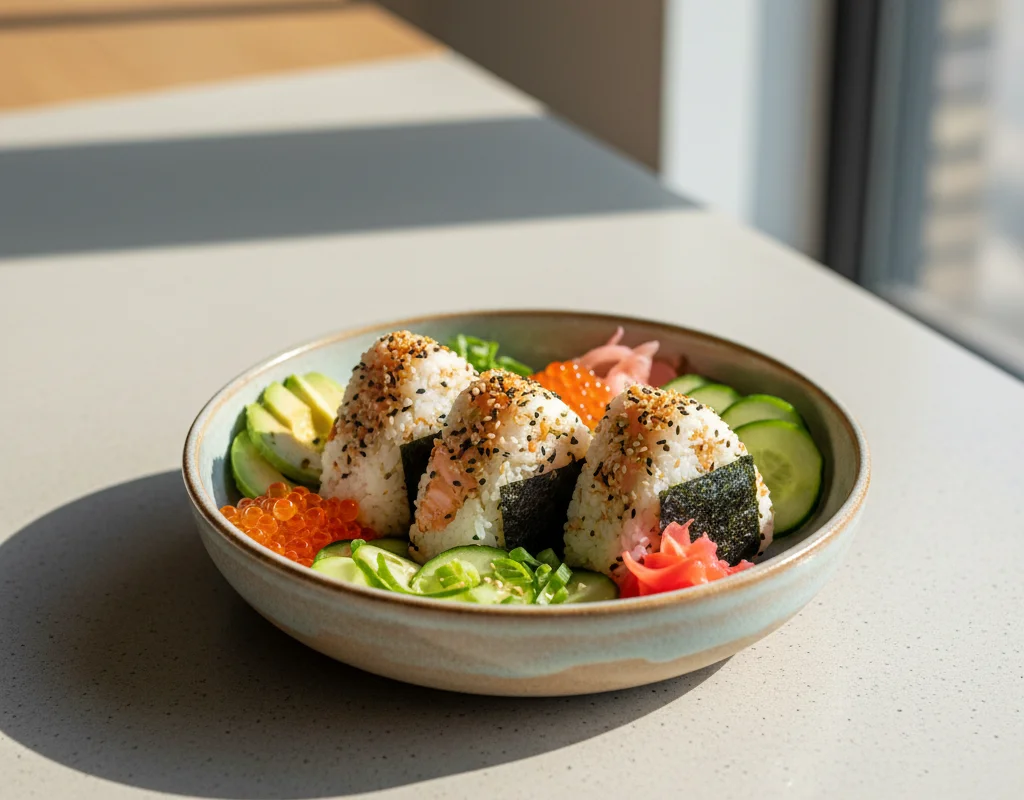
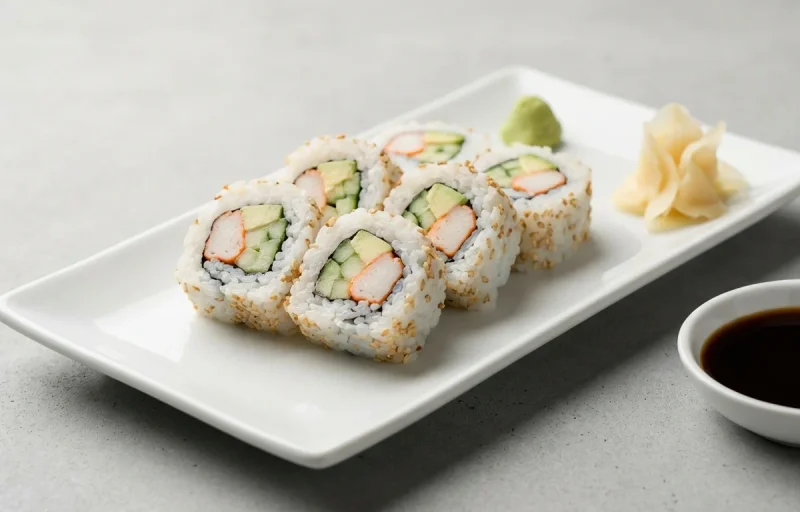
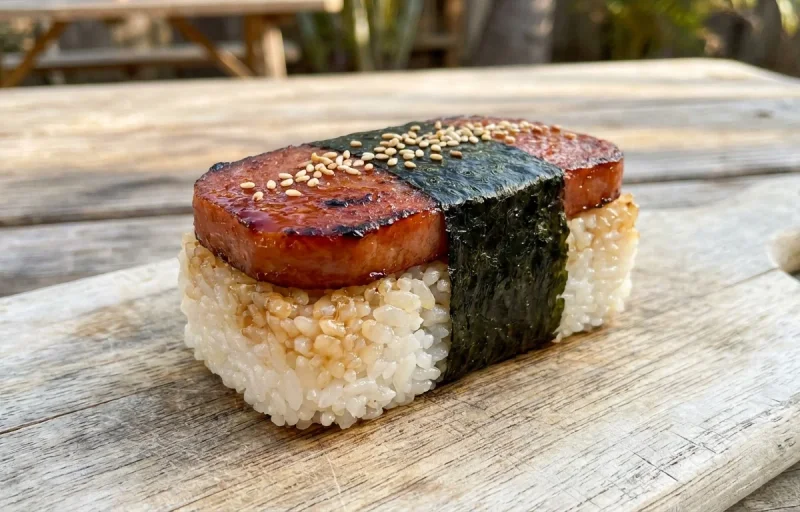
Nori is most famously used as the wrapper for sushi rolls (maki). It's also popular for making onigiri (rice balls), as a garnish for soups and noodles, or crumbled over salads. Toasted nori sheets can also be enjoyed as a crispy, savory snack.
Can nori be eaten raw?
Yes, nori is typically sold in dried sheets and is safe to eat as is, without further cooking. It's often lightly toasted before use to enhance its flavor and crispness, but it can be consumed directly from the package.
What does nori taste like?
Nori has a distinct umami flavor, often described as savory, slightly sweet, and subtly oceanic. When toasted, it becomes crispier and develops a nuttier, more intense flavor. Its unique taste makes it a versatile ingredient in many dishes.
How should nori be stored to maintain freshness?
To keep nori fresh and crisp, store it in an airtight container or its original sealed package in a cool, dark, and dry place. Exposure to humidity can make it soft and chewy. Some people even store it in the refrigerator or freezer for extended freshness.
RECIPES
Cook with nori.
10 recipes · sorted by what’s quick