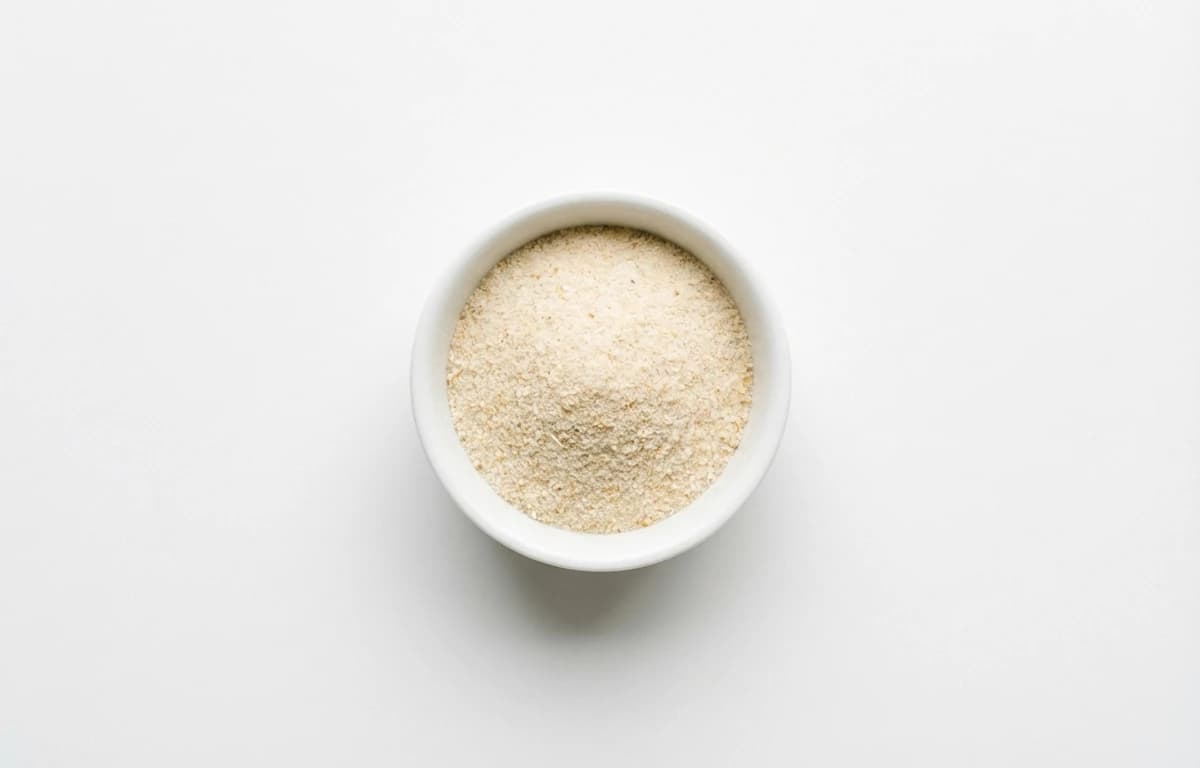
Onion Salt
Also known as: onion-flavored salt, pyaz ka namak, onion seasoning salt
Loading...
Also known as: onion-flavored salt, pyaz ka namak, onion seasoning salt
Per 100g
Nutrition data source: USDA FoodData Central
Common measurement equivalents in grams
When stored in a cool, dry place, onion salt can last for 1 to 2 years, though its potency may decrease over time.
Freezing is not recommended as moisture can cause the salt to clump and lose its texture.
Keep the container tightly sealed and add a few grains of rice to the shaker to absorb excess moisture.
Look for a product that is free-flowing with no visible clumps and has a strong, savory onion aroma.
You can mix 3 parts salt with 1 part onion powder, or use fresh minced onions and regular salt.
It is high in sodium and should be used sparingly, but it provides more flavor than plain salt.
Sweep or vacuum up dry spills; avoid using a wet cloth immediately as it will dissolve the salt and create a sticky mess.
It is commonly used in burger patties, roasted vegetables, potato salad, and as a seasoning for fries.
No, onion salt contains onion powder, which is a root vegetable and prohibited in Jain and Sattvic diets.
Onion Salt is a versatile ingredient found in cuisines around the world. With 85 calories per 100g and 2.3 grams of protein, it's a nutritious addition to many dishes.
Explore more ingredients in the seasoning category with complete nutrition information.
View all seasoning →Pure onion salt is naturally gluten-free, but always check the label for anti-caking agents that might contain gluten.