oou
Also known as: ou, chalta, dillenia indica, karambel, hondapara
Loading...
Also known as: ou, chalta, dillenia indica, karambel, hondapara
Per 100g
Nutrition data source: USDA FoodData Central
Common measurement equivalents in grams
It has a very sour, acidic, and slightly bitter taste with a crunchy texture, similar to a raw mango but more fibrous.
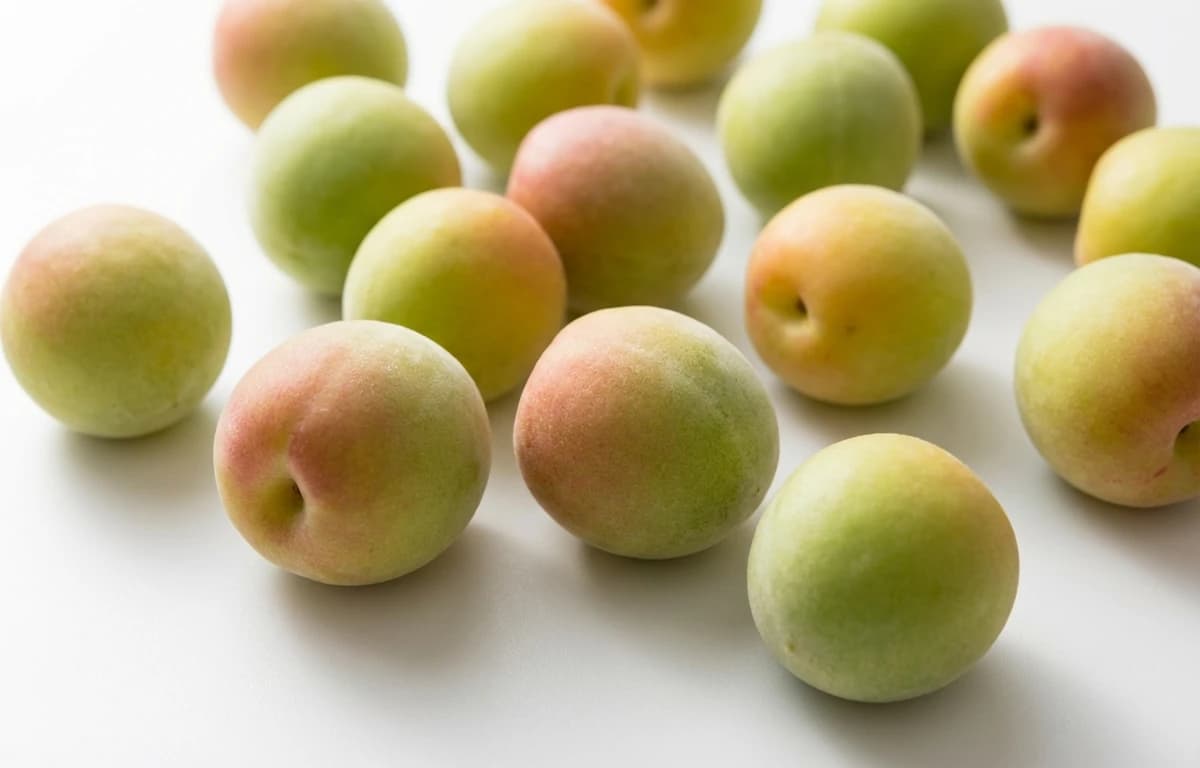
Look for fruits that are firm, heavy for their size, and have a greenish-yellow color without soft brown spots.
Raw mango, tamarind, or kokum can be used as substitutes to provide a similar sourness in dishes.
Peel away the tough outer petals (sepals), wash them thoroughly, and slice or smash them as required by the recipe.
Yes, it is low in calories and high in fiber, which can help you feel full longer and support weight management.
While it can be eaten raw with salt and chili, it is most commonly cooked in curries, dals, and chutneys due to its intense sourness.
Whole fruit lasts about 10 days; cut pieces should be used within 2-3 days if refrigerated.
No, it is a seasonal fruit, typically available during the monsoon and early winter months in South Asia.
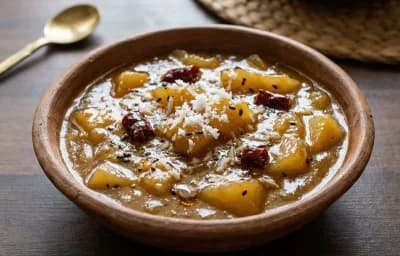
In Odisha, 'Oou Khatta' (a sweet and sour chutney) and 'Dalma' are the most popular preparations.
oou is a versatile ingredient found in cuisines around the world. With 59 calories per 100g and 0.8 grams of protein, it's a nutritious addition to many dishes.
Explore more ingredients in the fruit category with complete nutrition information.
View all fruit →