Other1 recipes
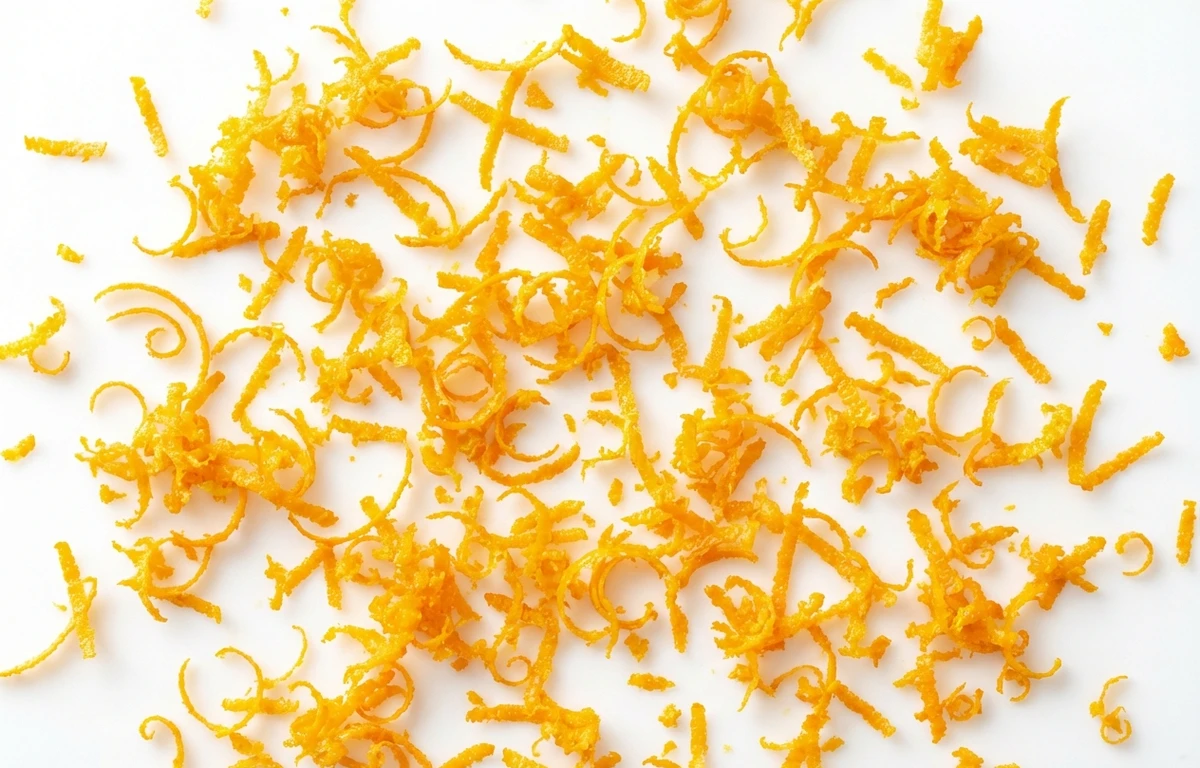
orange peel.
VegetarianVeganGluten-freeDairy-freeNut-freePeanut-freeSoy-freeEgg-freeShellfish-freeHoney-freeAlcohol-free
ALSO KNOWN AS
orange rindorange peelraw orange peel
SERVING
CALORIES
97
PROTEIN
1.5g
CARBS
25g
FAT
0.20g
FIBER
10.6g
This ingredient is flagged as naturally gluten-free. Per 100 g, it provides 0 µg of vitamin K.
NUTRITION PROFILE · per 100 g
Everything in this ingredient.
MACRONUTRIENTS
Calories97kcal—
Protein1.5g3%
Carbohydrates25g9%
Fiber10.6g38%
Sugar0g0%
Total fat0.20g0%
Saturated fat0.02g0%
Trans fat0g—
Cholesterol0mg0%
Water72.5g—
MINERALS
Sodium3.0mg0%
Potassium212mg5%
Calcium161mg12%
Iron0.80mg4%
Magnesium22mg5%
Phosphorus21mg2%
Zinc0.25mg2%
Copper0.09mg10%
Manganese0.10mg4%
Selenium1.0µg2%
VITAMINS
Vitamin A21µg2%
Vitamin C136mg151%
Vitamin D0µg0%
Vitamin E0.25mg2%
Vitamin K0µg0%
Thiamin (B1)0.12mg10%
Riboflavin (B2)0.09mg7%
Niacin (B3)0.90mg6%
Pantothenic acid (B5)0.49mg10%
Vitamin B60.18mg11%
Folate (B9)30µg8%
Vitamin B120µg0%
%DV based on a 2,000 cal diet. Source: USDA FoodData Central. A dash in the %DV column means there’s no established Daily Value for that nutrient.
MEASUREMENT CONVERSIONS
How much is what.
1 cup96g
1 tablespoon6g
1 teaspoon2g
1 oz28.4g
1 lb453.6g
1 piece25g
HEALTH BENEFITS
Why eat it.
- ✓Contains hesperidin which may help lower blood pressure
- ✓Rich in dietary fiber to aid digestion
COOKING TIPS
In the kitchen.
- 1Avoid the white pith (the spongy inner layer) as it is very bitter
- 2Use a microplane or fine grater for zest to release essential oils
- 3Wash the orange thoroughly, preferably using organic fruit to avoid pesticide residue
STORAGE
Keep it fresh.
- Store fresh zest in an airtight container in the refrigerator for up to 1 week
- Freeze fresh peel or zest in a freezer-safe bag for up to 3 months
- Dry the peels completely and store in a cool, dark place for several months
FAQ
Frequently asked questions.
Is orange peel safe to eat?
Yes, orange peel is edible and highly nutritious, though it has a tough texture and bitter flavor when raw.
How do I store fresh orange peel?
Fresh peel should be kept in an airtight container in the fridge for a week or frozen for longer storage.
What is the best substitute for orange peel?
Lemon peel, lime peel, or a few drops of orange extract can be used as substitutes in most recipes.
How do I avoid the bitter taste of orange peel?
Only use the outermost colored layer (the zest) and avoid the white pith, which contains the bitterness.
Can I use dried orange peel instead of fresh?
Yes, but use about one-third the amount of dried peel as you would fresh, as the flavor is more concentrated.
Should I buy organic oranges if I plan to use the peel?
Yes, organic is recommended because pesticides are often concentrated on the surface of the peel.
Does orange peel lose nutrients when dried?
Some Vitamin C is lost during the drying process, but most minerals and fiber remain intact.
How do I clean orange peel before using it?
Scrub the orange under warm running water with a vegetable brush to remove wax and surface impurities.
RECIPES
Cook with orange peel.
1 recipes · sorted by what’s quick