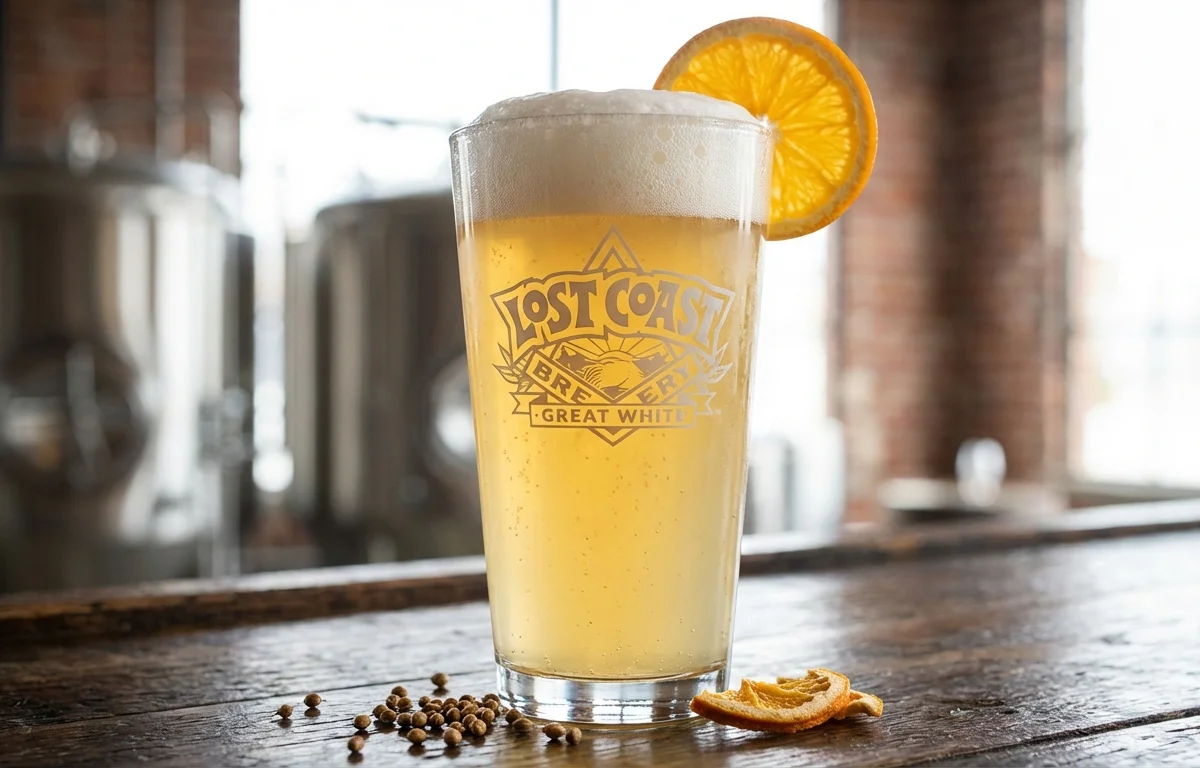
Belgian Witbier
A refreshing, cloudy Belgian-style wheat beer brewed with a generous portion of unmalted wheat, subtly spiced with coriander and bitter orange peel. Light-bodied and effervescent with a soft, creamy mouthfeel from the oats, this homemade witbier is the perfect summer sipper.
For 40 servings
- prep
Sanitize all equipment.
Thoroughly clean and sanitize the fermentation bucket, lid, airlock, spoon, hydrometer, and anything else that will touch the cooled wort. Follow your no-rinse sanitizer's instructions.
TIPSanitation is the single most important factor for brewing success. Any contamination can ruin the whole batch. - other · ~60 min
Heat strike water and mash in.
1.Heat 15 liters of water to 68°C in the brew kettle.2.Pour the heated water into the mash tun, then stir in the crushed pilsner malt, flaked wheat, and flaked oats.3.Stir vigorously to eliminate any dough balls and ensure an even mix.4.Maintain the mash temperature at 65°C for 60 minutes.TIPThe high proportion of unmalted wheat can lead to a stuck sparge. Adding rice hulls to the mash helps with drainage. - other · ~15 min
Mash out and recirculate.
1.After 60 minutes, raise the grain bed temperature to 76°C by adding near-boiling water.2.Begin recirculating the wort by gently drawing runnings from the bottom and returning them to the top until the liquid runs clear.3.This vorlauf process takes about 10 to 15 minutes.TIPRun the vorlauf slowly to avoid compacting the grain bed, which can lead to a stuck sparge. - other · ~45 min
Sparge and collect the sweet wort.
Slowly fly sparge with water at 76°C, collecting the runoff in the brew kettle. Continue sparging until you have collected approximately 28 liters of wort.
- boil · ~75 min
Bring wort to a boil and add bittering hops.
1.Bring the collected wort to a vigorous rolling boil.2.Once boiling, add the 30g of Hallertau hops.3.Set a timer for 75 minutes and maintain a steady boil.TIPWatch for boilovers in the first few minutes. Reducing heat briefly or spraying with cold water can prevent a mess. - boil · ~15 min
Add spices and aroma hops.
1.With 15 minutes left in the boil, add the crushed coriander seeds and dried bitter orange peel.2.With 5 minutes left in the boil, add the 15g of Saaz hops.TIPGently crush the coriander seeds with a rolling pin, not a grinder, to release aromatics without creating a powder that makes the beer hazy. - other · ~30 min
Chill the wort rapidly.
After the 75-minute boil is complete, quickly chill the hot wort down to 20°C using a wort chiller or an ice bath in your sink. The faster the chill, the better the cold break and clarity.
TIPAn immersion chiller is a great investment at this stage. Until the wort is below 70°C, keep the kettle covered to avoid contamination. - mix · ~10 min
Transfer wort to the fermenter and pitch yeast.
1.Carefully transfer the chilled wort into the sanitized fermentation bucket, splashing to aerate.2.Take a hydrometer reading. The target original gravity is around 1.048.3.Pitch the liquid Belgian witbier yeast and stir gently. - other · ~10080 min
Primary fermentation.
Seal the fermentation bucket with the lid and an airlock filled with sanitizer. Place in a dark location and maintain a steady temperature between 18-22°C. Active fermentation should start within 24 hours and will be vigorous for 3-5 days.
TIPFermentation temperature has a huge impact on flavor. For a classic witbier character with noticeable phenols, ferment at the higher end of the range, around 22°C. - other · ~2880 min
Check final gravity and prepare for bottling.
After 7 to 10 days, take a hydrometer reading. The final gravity should be stable around 1.010. Once stable for two consecutive days, the beer is ready to bottle.
- mix · ~20 min
Prepare priming sugar and bottle the beer.
1.Boil 150g corn sugar in 500ml water for 5 minutes, then cool.2.Pour the sugar solution into the sanitized bottling bucket.3.Rack the fermented beer onto the sugar solution using an auto-siphon, avoiding transferring sediment.4.Gently stir to ensure even mixing without aerating. - assemble · ~30 min
Fill and cap the bottles.
1.Attach the bottle filler to the siphon hose and fill each sanitized bottle to the brim; leave about 2.5 cm of headspace.2.Immediately cap each bottle with a sanitized crown cap using a bottle capper. - other · ~20160 min
Bottle condition the beer.
Store the filled bottles upright in a dark spot at 20-24°C for 2 weeks. During this time the yeast will consume the priming sugar and naturally carbonate the beer.
TIPCheck one bottle after 10 days for carbonation. If it's fizzy enough, move all bottles to a cooler place to mature. - other · ~5760 min
Cold condition and mature.
After 2 weeks of carbonation, move the bottles to a refrigerator or cold cellar at 4-10°C for at least 3-4 days before serving. This chills the beer, helps absorb CO2, and settles any remaining yeast.
TIPWitbier is intended to be cloudy. When pouring, leave the last centimeter of yeast sediment in the bottle unless you want a cloudier, more traditional pour. - serve
Pour into a glass and enjoy.
Chill the bottle for a few hours, then pour slowly into a clean witbier glass or tumbler, leaving the yeast sediment behind unless you desire a fully hazy traditional pour. Garnish with a fresh orange slice if desired.
What to keep in mind.
6 tips from the recipe — small details that make a real difference to the final dish.
- 1Use a starter for liquid yeast to ensure vigorous fermentation and a clean flavor profile.
- 2Keep the mash temperature steady at 65°C to balance body and fermentability from the unmalted grains.
- 3Add rice hulls to the mash to prevent a stuck sparge from the high proportion of flaked wheat and oats.
- 4Crush the coriander seeds lightly with a rolling pin; avoid turning them into a powder to preserve aroma without excess haze.
- 5Ferment at the warmer end of the range (22°C) to coax out classic witbier clove and spice notes from the yeast.
- 6After bottling, condition at 20–24°C for at least two weeks to achieve proper carbonation and a creamy head.
Adapt it for your goals.
Spice-free
Omit the coriander and orange peel for a cleaner, malt-forward wheat beer that lets the yeast character and grain flavors stand alone.
citrus forwardCitrus-forward
Add 5g of fresh lemon zest at the end of the boil for an extra bright citrus note alongside the bitter orange peel.
higher alcoholHigher-alcohol
Increase the pilsner malt to 3 kg and add 500g of Belgian candy sugar to raise the original gravity to about 1.060 for a stronger, more warming witbier.
dry hoppedDry-hopped
Add 20g of Saaz or Czech hop pellets to the fermenter 3 days before bottling for a delicate floral hop aroma without bitterness.
Why this is on our healthy list.
Low Alcohol Content
With an expected ABV around 5%, this witbier is a moderate-strength beer, making it easier to enjoy in reasonable quantities.
Source of B Vitamins
Unmalted wheat and yeast contribute natural B vitamins, particularly folate and niacin, which support energy metabolism.
Digestive Herbs
Coriander seeds have traditionally been used to aid digestion, and bitter orange peel can stimulate gastric juices.
Contains Soluble Fiber
The flaked oats and wheat provide beta-glucans, a type of soluble fiber that may help support heart health when consumed in moderation.
Frequently asked questions
Cloudiness comes from unmalted wheat and oats plus suspended yeast; ensure you used flaked (unmalted) wheat and avoid over-filtering or cold crashing too long.