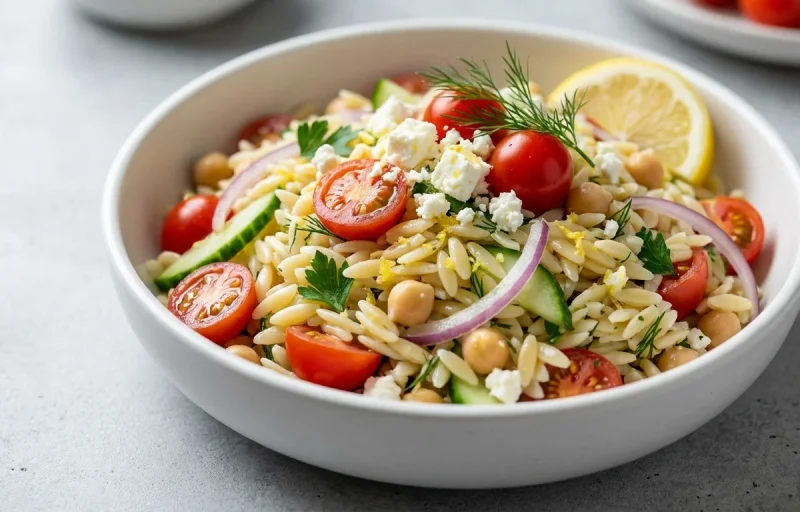
Grain7 recipes
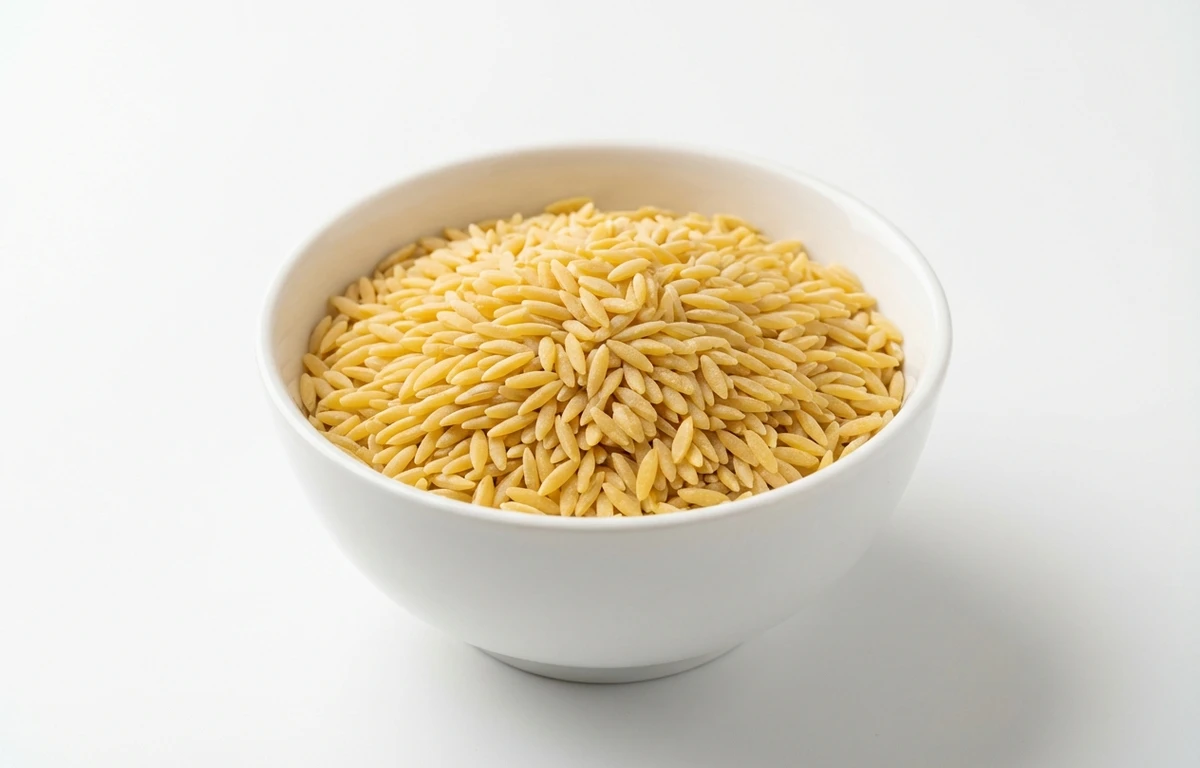
orzo pasta.
VegetarianVeganGluten-freeDairy-freeNut-freePeanut-freeSoy-freeEgg-freeShellfish-freeHoney-freeAlcohol-free
ALSO KNOWN AS
risonikritharaki
SERVING
CALORIES
355
PROTEIN
12.5g
CARBS
73g
FAT
1.5g
FIBER
2.5g
NUTRITION PROFILE · per 100 g
Everything in this ingredient.
MACRONUTRIENTS
Calories355kcal—
Protein12.5g25%
Carbohydrates73g27%
Fiber2.5g9%
Sugar0.50g1%
Total fat1.5g2%
Saturated fat0.30g2%
Trans fat0g—
Cholesterol0mg0%
Water10g—
MINERALS
Sodium5.0mg0%
Potassium180mg4%
Calcium20mg2%
Iron1.4mg8%
Magnesium45mg11%
Phosphorus150mg12%
Zinc1.2mg11%
Copper0.15mg17%
Manganese0.60mg26%
Selenium35µg64%
VITAMINS
Vitamin A0µg0%
Vitamin C0mg0%
Vitamin D0µg0%
Vitamin E0.10mg1%
Vitamin K0.10µg0%
Thiamin (B1)0.40mg33%
Riboflavin (B2)0.10mg8%
Niacin (B3)4.0mg25%
Pantothenic acid (B5)0.40mg8%
Vitamin B60.10mg6%
Folate (B9)20µg5%
Vitamin B120µg0%
%DV based on a 2,000 cal diet. Source: USDA FoodData Central. A dash in the %DV column means there’s no established Daily Value for that nutrient.
MEASUREMENT CONVERSIONS
How much is what.
1 cup200g
1 tablespoon12g
1 teaspoon4g
1 oz28.4g
1 lb453.6g
HEALTH BENEFITS
Why eat it.
- ✓Provides sustained energy from complex carbohydrates
- ✓Low in fat and sodium
- ✓Good source of plant-based protein
- ✓Contains essential B-vitamins for metabolism
- ✓Easy to digest and versatile for various diets
COOKING TIPS
In the kitchen.
- 1Toast the dry orzo in a little olive oil or butter before adding liquid to enhance its nutty flavor
- 2Cook in chicken or vegetable broth instead of water to infuse the pasta with more flavor
- 3If using in a cold salad, rinse the cooked orzo under cold water immediately to prevent sticking
STORAGE
Keep it fresh.
- Store dry orzo in a cool, dry place in an airtight container for up to 2 years
- Keep away from moisture and direct sunlight to maintain quality
- Cooked orzo should be stored in the refrigerator for no more than 3-5 days
FAQ
Frequently asked questions.
Is orzo a type of rice or pasta?
Orzo is a type of pasta made from wheat (semolina), although its shape closely resembles large grains of rice.
How long does dry orzo last?
When stored in an airtight container in a cool, dry pantry, dry orzo can last for up to 2 years.
Can I freeze cooked orzo?
Yes, you can freeze cooked orzo for up to 3 months. Thaw it in the refrigerator before reheating.
What is the best substitute for orzo?
Arborio rice, pearl couscous, or small pasta shapes like ditalini or acini di pepe are the best substitutes.
Is orzo gluten-free?
No, standard orzo is made from durum wheat semolina and contains gluten. Look for specific gluten-free versions made from corn or rice flour.
How do I prevent orzo from getting mushy?
Cook it 'al dente' according to package instructions (usually 8-10 minutes) and avoid overcooking, especially if adding it to soups.
Does orzo expand when cooked?
Yes, like most pasta, orzo roughly doubles in size and weight once boiled.
Is orzo healthier than white rice?
Orzo typically contains more protein and fiber than standard white rice, though it is higher in calories and contains gluten.
Can I cook orzo like rice (absorption method)?
Yes, orzo can be cooked using the absorption method (like a pilaf) or boiled in excess water and drained like traditional pasta.
RECIPES
Cook with orzo pasta.
7 recipes · sorted by what’s quick