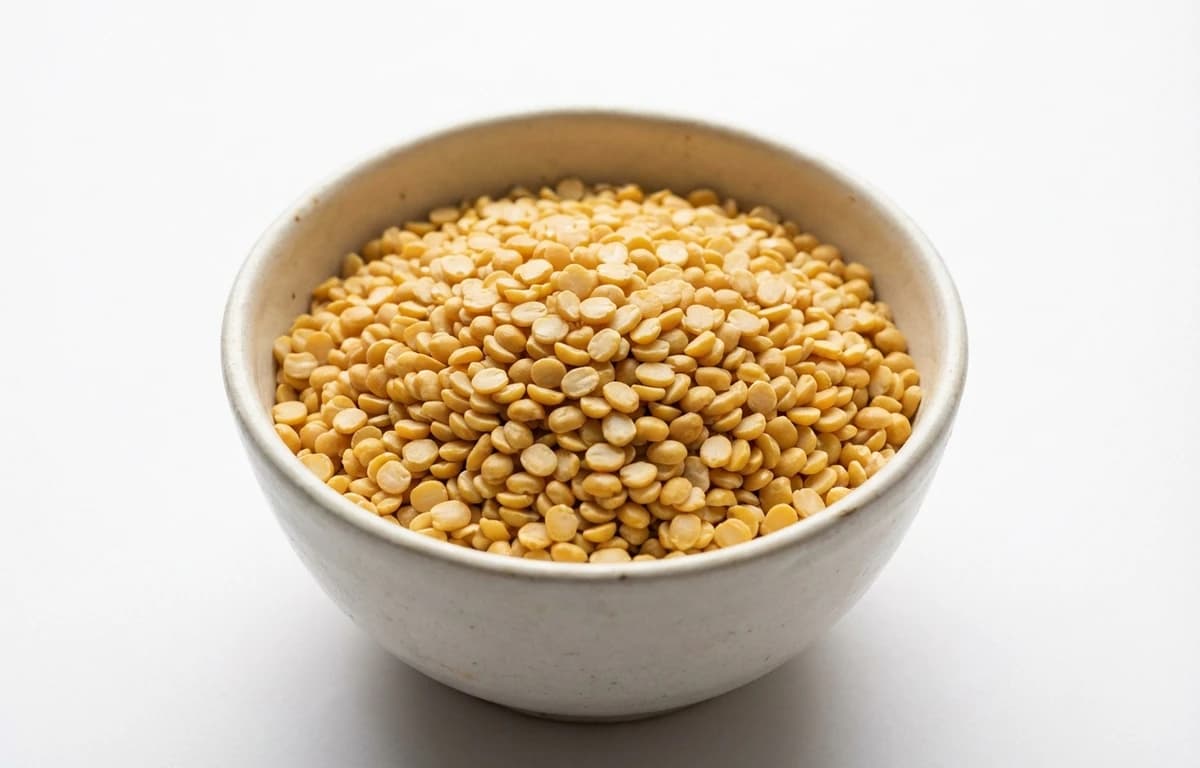
paasi paruppu
Also known as:
Loading...
Also known as:
Per 100g
Nutrition data source: USDA FoodData Central
Yes, paasi paruppu is very healthy. It's an excellent source of plant-based protein and dietary fiber, supporting muscle health and digestion. It also provides essential minerals like iron, potassium, and magnesium, contributing to overall well-being and heart health.
Per 100g, paasi paruppu offers approximately 347 calories, 23.86g of protein, 62.62g of carbohydrates, and only 1.15g of fat. It's rich in fiber, which aids digestion, and provides vital minerals such as iron, potassium, and magnesium.
Yes, paasi paruppu can be beneficial for weight loss. Its high protein and fiber content promote satiety, helping you feel full longer and reducing overall calorie intake. It's also low in fat, making it a nutritious and filling option for managing weight.
Yes, paasi paruppu is naturally both vegan and gluten-free. As a legume, it is entirely plant-based, and it does not contain any wheat, barley, or rye components. This makes it suitable for individuals following these dietary restrictions.
Yes, paasi paruppu is generally considered suitable for diabetics. It has a low glycemic index, meaning it causes a slower and more gradual rise in blood sugar levels compared to high GI foods. Its fiber content also helps in blood sugar management.
Paasi paruppu is typically cooked by rinsing it thoroughly and then boiling it in water until soft, which usually takes about 15-20 minutes. It can also be cooked in a pressure cooker for faster results. It's often used in dals, porridges, and various South Indian dishes.
paasi paruppu is a versatile ingredient found in cuisines around the world. With 347 calories per 100g and 23.86 grams of protein, it's a nutritious addition to many dishes.
Explore more ingredients in the legume category with complete nutrition information.
View all legume →Discover 0 recipes featuring paasi paruppu with step-by-step instructions.
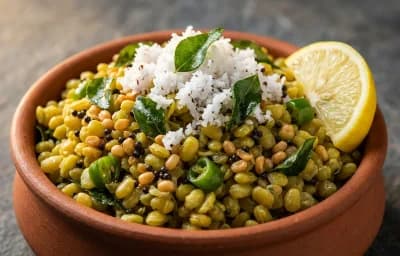
Browse recipes →Paasi paruppu has a mild, slightly sweet, and earthy flavor. It cooks down to a creamy consistency, making it ideal for thickening dishes. It's a staple in Indian cuisine, commonly used in dals, sambar, kootu, and even sweet dishes like payasam.
Store paasi paruppu in an airtight container in a cool, dry, and dark place, away from direct sunlight and moisture. This helps prevent spoilage and keeps insects away. Proper storage ensures its freshness and extends its shelf life.
When stored properly in an airtight container in a cool, dry place, paasi paruppu can last for up to 1-2 years. While it doesn't truly 'spoil' quickly, its quality, flavor, and cooking time may degrade over a longer period.
Yes, paasi paruppu is widely known for being one of the most easily digestible lentils. It's often recommended for infants, the elderly, and those recovering from illness due to its gentle nature on the digestive system.