Loading...
Also known as: Pav, Pav bun, Indian bread rolls, Ladi Pav, Bombay Pav, Dinner rolls
Per 100g
Nutrition data source: USDA FoodData Central
Common measurement equivalents in grams
Fresh Pao typically lasts 2-3 days at room temperature. If kept in an airtight container in a cool place, it may last up to 4 days before becoming stale or developing mold.
Yes, Pao freezes very well. Wrap them tightly in plastic wrap or place in a freezer bag. They can be stored for up to 3 months.
Most commercial Indian Pao (Pav) is not strictly vegan as it often contains milk solids, milk powder, or is brushed with butter. Check the label or ask the baker for specific ingredients.
The best way is to slit them and toast them on a tawa (griddle) with a little butter. For a soft texture, you can briefly steam them.
Dinner rolls, slider buns, or soft burger buns are the best substitutes. In a pinch, thick slices of white bread can be used.
Pao dries out when exposed to air. Always keep it wrapped. If it is already dry, a quick steam or a light sprinkle of water before microwaving for 10 seconds can soften it.
Yes, Pao is made from refined wheat flour (maida) and contains high amounts of gluten.
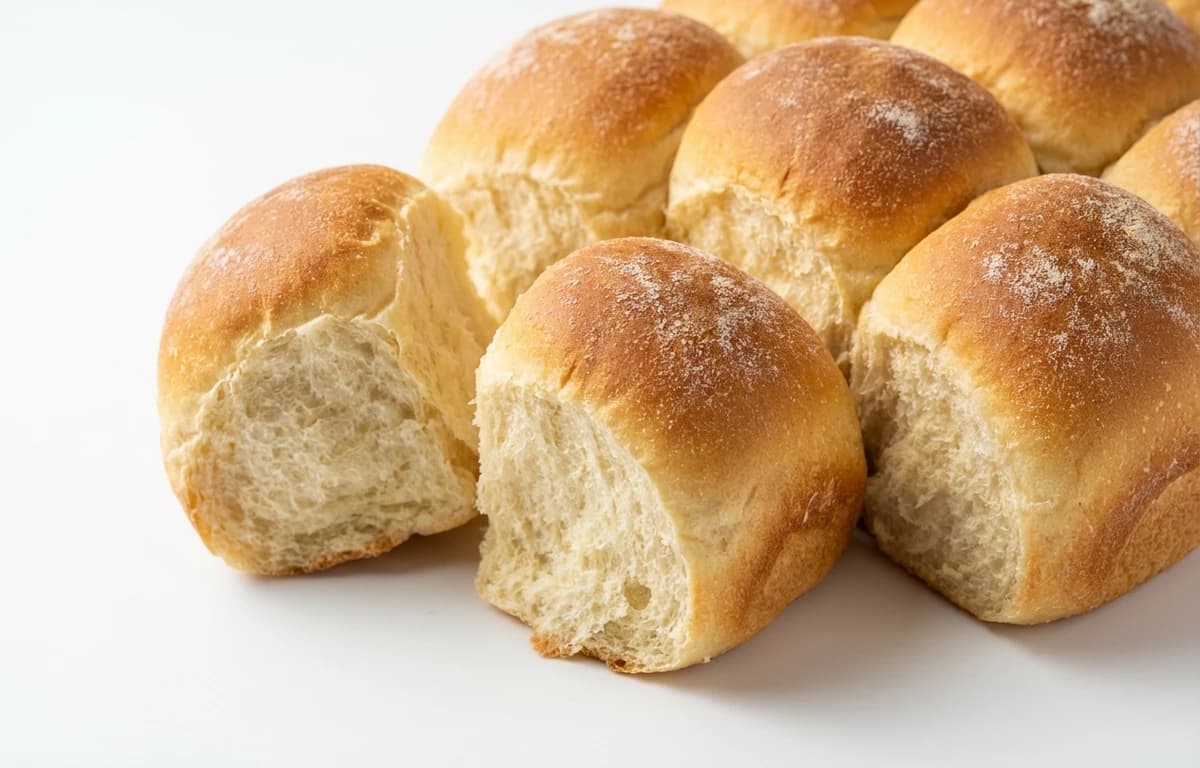
Fresh Pao should feel soft and springy to the touch. When pressed, it should bounce back. It should have a pleasant, yeasty aroma and no visible dry patches or mold.
Pao Bread Rolls is a versatile ingredient found in cuisines around the world. With 274 calories per 100g and 8.5 grams of protein, it's a nutritious addition to many dishes.
Explore more ingredients in the grain product category with complete nutrition information.
View all grain product →Discover 1 recipes featuring pao bread rolls with step-by-step instructions.
Browse recipes →Explore more ingredients similar to Pao Bread Rolls.
The most-searched ingredients on CraftMyMeals.
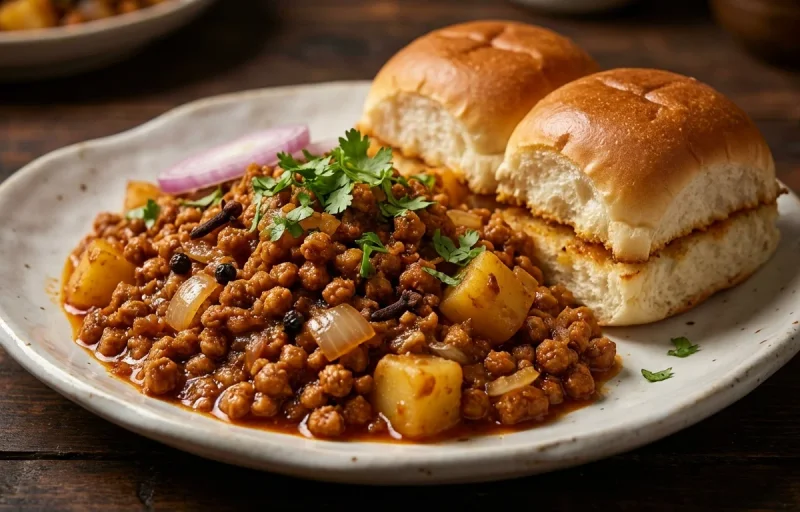
It is most famously used in Pav Bhaji, Vada Pav, Misal Pav, Keema Pav, and Bun Maska.
Pao is a refined carbohydrate product. While it provides energy, it is low in fiber. It should be consumed in moderation as part of a balanced diet.