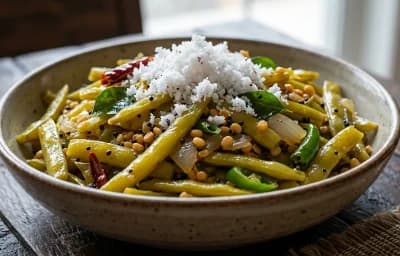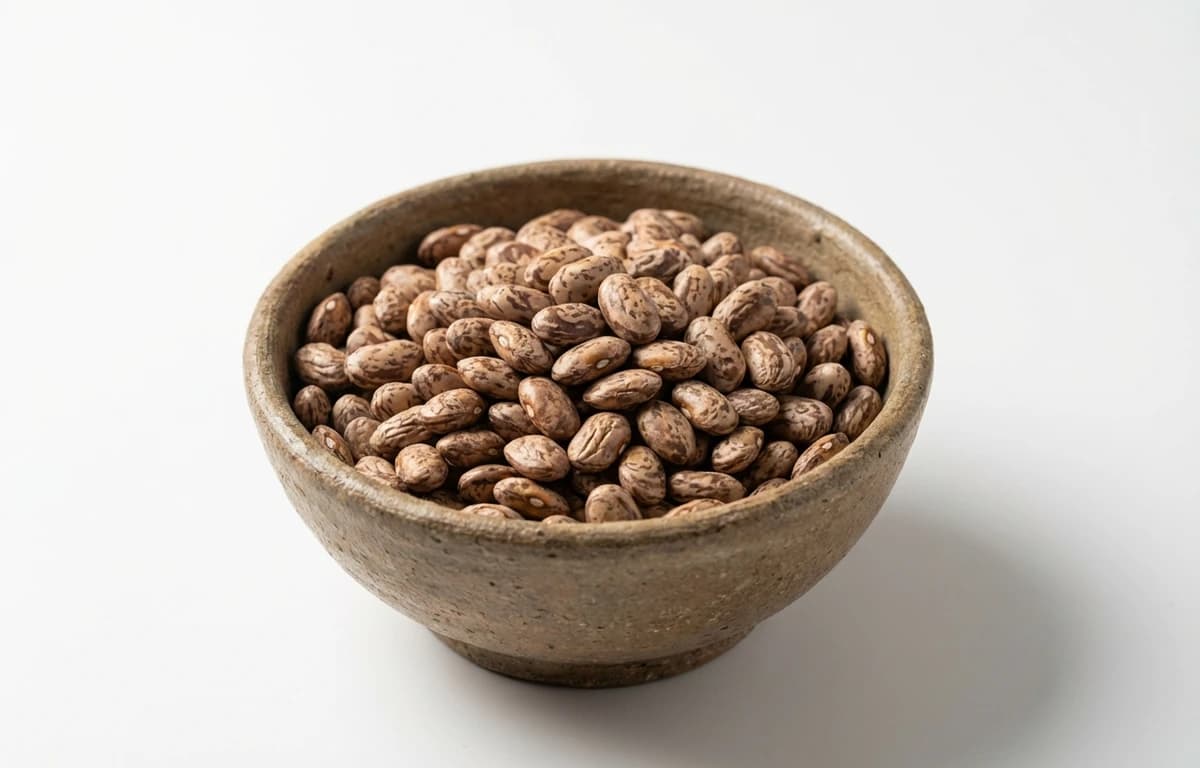
papli
Also known as: Sem
Loading...
Also known as: Sem
Per 100g
Nutrition data source: USDA FoodData Central
Yes, papli is very healthy. As a legume, it's rich in dietary fiber, which aids digestion and helps regulate blood sugar. It's also a good source of plant-based protein, essential minerals like iron and folate, and may support heart health by lowering LDL cholesterol.
Per 100g, papli contains approximately 338 calories, 21.46g of protein, 63.38g of carbohydrates, and only 0.69g of fat. It's a nutrient-dense food, providing significant energy and protein with minimal fat.
Yes, papli can be beneficial for weight management. Its high fiber content promotes a feeling of fullness, which can help reduce overall calorie intake. The protein content also contributes to satiety and supports muscle maintenance during weight loss.
Absolutely, papli is an excellent food choice for both vegans and vegetarians. As a legume, it is entirely plant-based and serves as a significant source of plant protein, making it a valuable component of a meat-free diet.
Yes, papli is naturally gluten-free. As a legume, it does not contain wheat, barley, or rye, making it a safe and nutritious option for individuals with celiac disease or gluten sensitivity.
Yes, papli can be a good addition to a diabetic diet. Its high dietary fiber content helps to slow down sugar absorption, which can aid in regulating blood glucose levels. However, portion control is still important due to its carbohydrate content.
Like many dried legumes, papli typically requires soaking before cooking to reduce cooking time and improve digestibility. After soaking for several hours or overnight, drain and rinse, then boil or simmer until tender, which can take 45-90 minutes depending on the variety and age.
papli is a versatile ingredient found in cuisines around the world. With 338 calories per 100g and 21.46 grams of protein, it's a nutritious addition to many dishes.
Explore more ingredients in the legume category with complete nutrition information.
View all legume →Papli generally has a mild, earthy, and slightly nutty flavor, similar to other lentils or beans. It's versatile in cooking and can be used in soups, stews, curries, salads, or as a side dish. It can also be ground into flour for baking.
Dried papli should be stored in an airtight container in a cool, dark, and dry place, away from direct sunlight and moisture. When stored properly, it can last for up to 1-2 years. Cooked papli should be refrigerated in an airtight container and consumed within 3-4 days.
Yes, papli is a good source of iron, an essential mineral vital for oxygen transport in the blood and preventing anemia. Combining papli with vitamin C-rich foods can enhance the absorption of its non-heme iron.