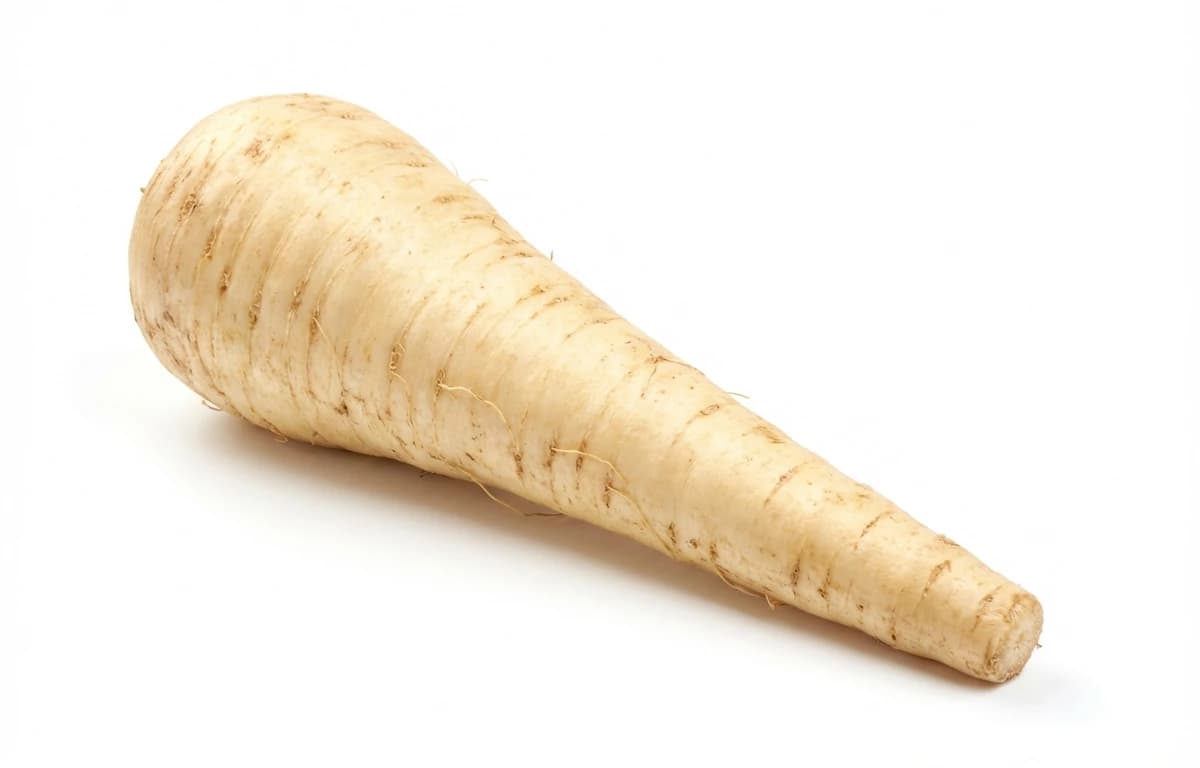
parsnip
Also known as: pastinaca sativa
Loading...
Also known as: pastinaca sativa
Per 100g
Nutrition data source: USDA FoodData Central
Common measurement equivalents in grams
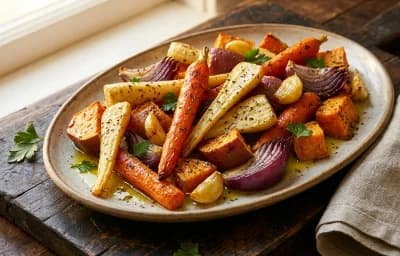
A colorful medley of carrots, parsnips, and beets, roasted until tender and caramelized. Earthy herbs and a hint of black pepper create a delicious, naturally sweet and savory side dish without any salt.
A colorful medley of carrots, parsnips, and beets, roasted to tender perfection. The natural sugars caramelize beautifully, creating a deeply flavorful and sweet side dish that needs very little salt to shine.
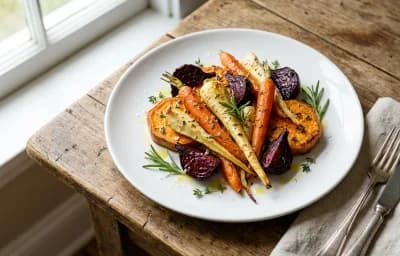
A colorful medley of carrots, parsnips, and onions, roasted to tender perfection with aromatic herbs. This salt-free version lets the natural sweetness of the vegetables shine through, making it a healthy and flavorful side dish.

Sweet, nutty parsnips roasted until tender on the inside and beautifully caramelized on the outside. A sprinkle of fresh thyme adds a lovely, earthy aroma, making this the perfect side dish for any holiday meal or weeknight dinner.
Yes, parsnips are very healthy. They are rich in dietary fiber, which aids digestion and promotes gut health. Parsnips also provide essential vitamins and minerals like Vitamin C, potassium, and folate, supporting immune function, blood pressure regulation, and cell growth.
Parsnips are an excellent source of fiber, both soluble and insoluble, which is beneficial for digestive health and satiety. They are also packed with Vitamin C, a powerful antioxidant, and provide good amounts of potassium for heart health and folate for cell function.
Per 100 grams, parsnips contain approximately 75 calories and about 18 grams of carbohydrates. They are relatively low in fat, with only 0.3 grams per 100g, and offer a modest 1.2 grams of protein.
Parsnips can be a good addition to a weight loss diet due to their high fiber content. Fiber helps you feel full longer, reducing overall calorie intake. While they contain natural sugars and carbohydrates, their nutritional density and satiety benefits make them a healthy choice in moderation.
Yes, parsnips are naturally vegan as they are a root vegetable. They are also naturally gluten-free, making them suitable for individuals following plant-based or gluten-free diets.
Diabetics can eat parsnips in moderation. While parsnips contain natural sugars and carbohydrates (around 18g per 100g), their high fiber content can help slow sugar absorption. It's best to monitor portion sizes and consider them as part of a balanced meal plan.
Parsnips are versatile and can be roasted, mashed, boiled, or added to soups and stews. Roasting brings out their natural sweetness, while mashing them with a little butter or cream creates a delicious side dish. They can also be pureed into creamy soups.
parsnip is a versatile ingredient found in cuisines around the world. With 75 calories per 100g and 1.2 grams of protein, it's a nutritious addition to many dishes.
Explore more ingredients in the other category with complete nutrition information.
View all other →Parsnips have a unique flavor profile that is sweet, earthy, and slightly nutty, often described as a cross between a carrot and a potato with a hint of spice. Their sweetness intensifies when cooked, especially when roasted.
Store fresh parsnips unwashed in a plastic bag in the crisper drawer of your refrigerator. They can last for several weeks this way. For longer storage, they can also be blanched and frozen.
While parsnips are typically cooked, they can be eaten raw, especially when young and tender. Raw parsnips have a crisp texture and a slightly stronger, peppery flavor. They can be grated into salads or coleslaws for a unique crunch.