Other10 recipes
parsnips.
VegetarianVeganGluten-freeDairy-freeNut-freePeanut-freeSoy-freeEgg-freeShellfish-freeHoney-freeAlcohol-freeHalalKosher
ALSO KNOWN AS
pastinaca sativaparsnipraw parsnip
SERVING
CALORIES
75
PROTEIN
1.2g
CARBS
18g
FAT
0.30g
FIBER
4.9g
This ingredient is flagged as naturally gluten-free. Per 100 g, it provides 22.5 µg of vitamin K.
NUTRITION PROFILE · per 100 g
Everything in this ingredient.
MACRONUTRIENTS
Calories75kcal—
Protein1.2g2%
Carbohydrates18g7%
Fiber4.9g18%
Sugar4.8g10%
Total fat0.30g0%
Saturated fat0.05g0%
Trans fat0g—
Cholesterol0mg0%
Water79.5g—
MINERALS
Sodium10mg0%
Potassium375mg8%
Calcium36mg3%
Iron0.59mg3%
Magnesium29mg7%
Phosphorus71mg6%
Zinc0.59mg5%
Copper0.12mg13%
Manganese0.56mg24%
Selenium1.8µg3%
VITAMINS
Vitamin A0µg0%
Vitamin C17mg19%
Vitamin D0µg0%
Vitamin E1.5mg10%
Vitamin K22.5µg19%
Thiamin (B1)0.09mg8%
Riboflavin (B2)0.05mg4%
Niacin (B3)0.70mg4%
Pantothenic acid (B5)0.60mg12%
Vitamin B60.09mg5%
Folate (B9)67µg17%
Vitamin B120µg0%
%DV based on a 2,000 cal diet. Source: USDA FoodData Central. A dash in the %DV column means there’s no established Daily Value for that nutrient.
MEASUREMENT CONVERSIONS
How much is what.
1 cup133g
1 tablespoon8.3g
1 teaspoon2.8g
1 oz28.4g
1 lb453.6g
1 ml0.6g
1 liter554.2g
1 piece170g
HEALTH BENEFITS
Why eat it.
- ✓Rich in potassium, a mineral crucial for maintaining healthy blood pressure and heart function.
- ✓Contains folate (Vitamin B9), which is essential for red blood cell formation and healthy cell growth and function.
COOKING TIPS
In the kitchen.
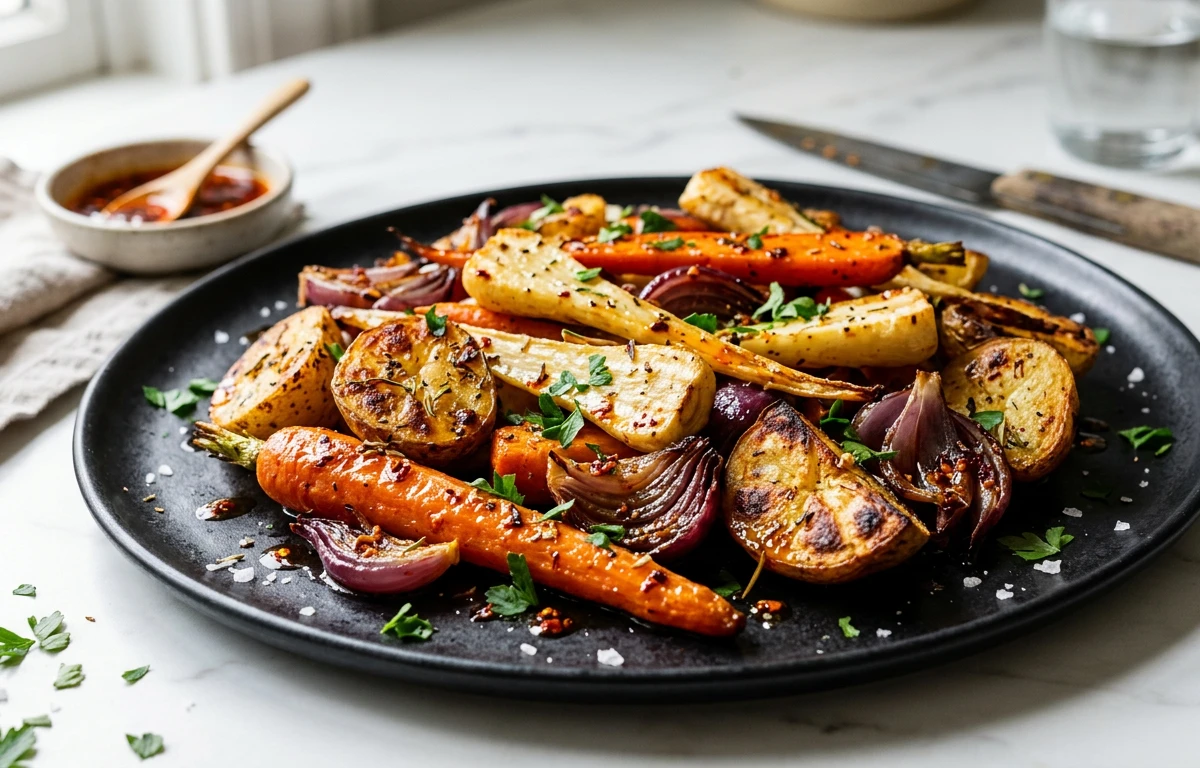
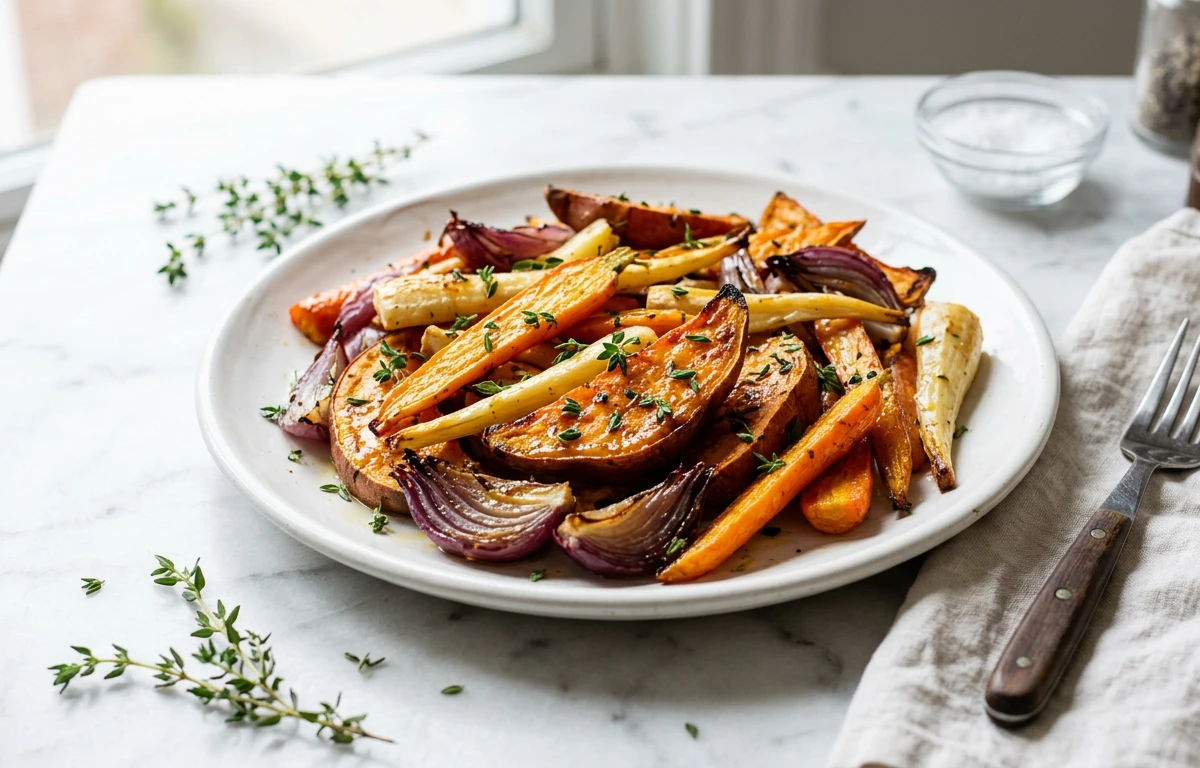
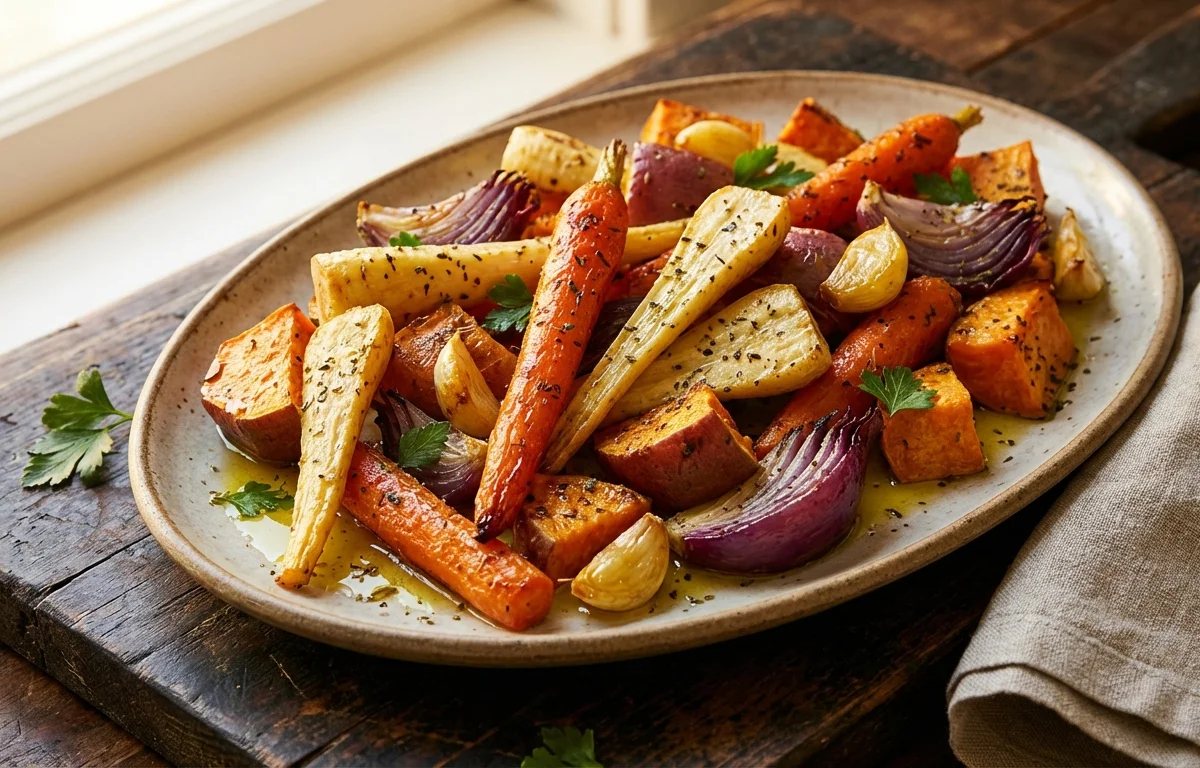
- 1Roasting parsnips at a high temperature (around 400°F or 200°C) caramelizes their natural sugars, enhancing their sweet, nutty flavor.
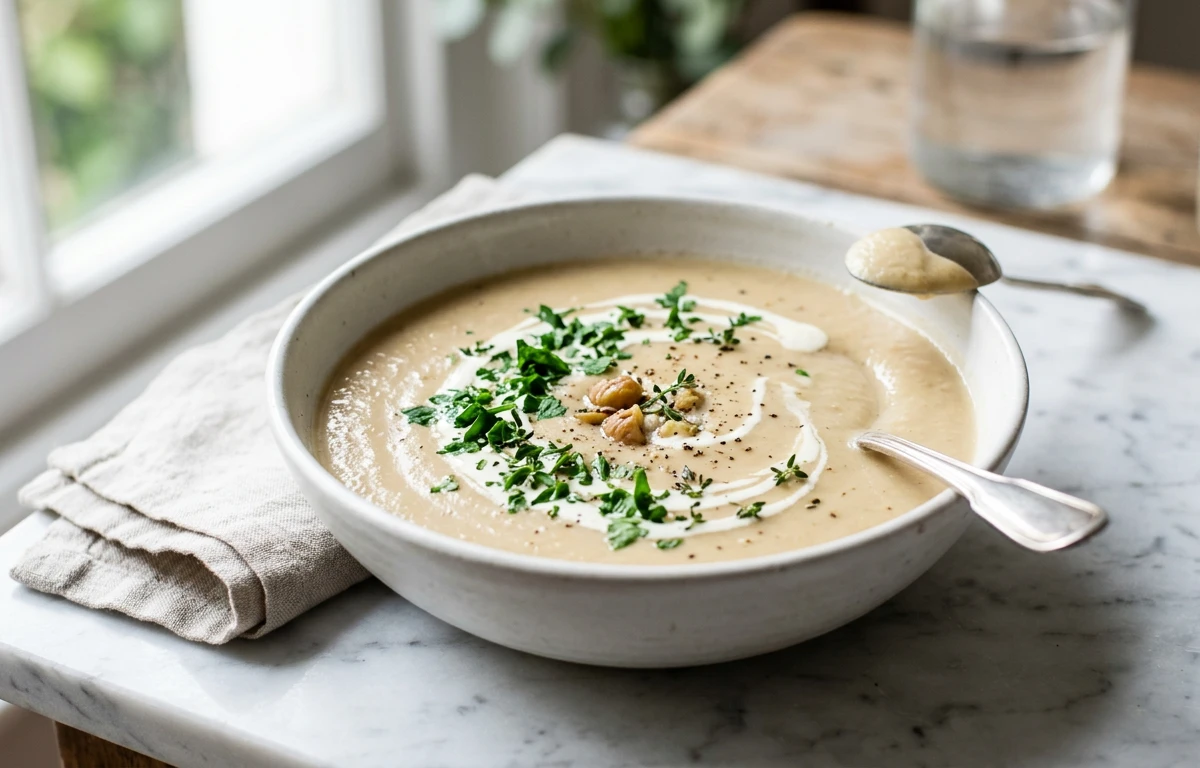
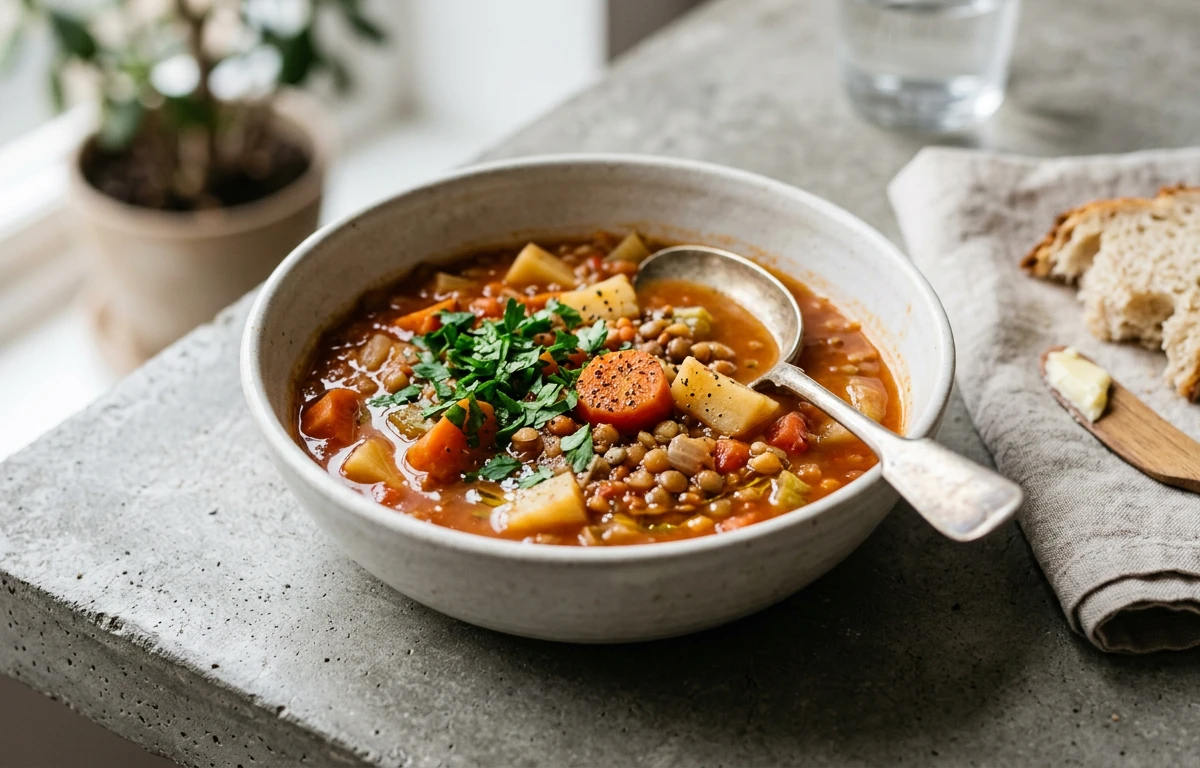
- 2For a creamy soup or mash, boil or steam parsnips until very tender. They pair well with potatoes, carrots, or apples.
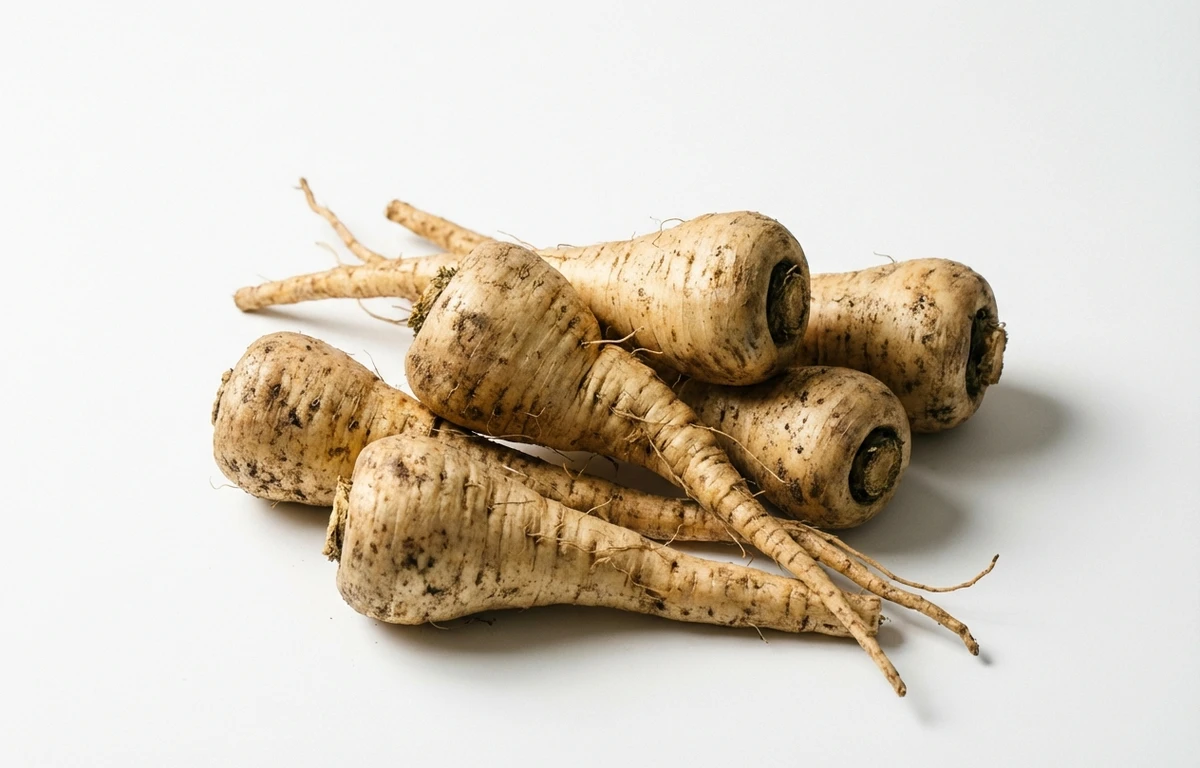
- 3Larger, more mature parsnips may have a woody core that can be tough. It's best to trim this central core out before cooking.
- 4Shred raw parsnips to add a sweet, crunchy element to salads and slaws.
STORAGE
Keep it fresh.
- Store unwashed parsnips in the crisper drawer of your refrigerator, loosely wrapped in a plastic bag, for up to 3-4 weeks.
- Remove the green tops before storing, as they can draw moisture and nutrients from the root, causing it to soften.
- For long-term storage, blanch cubed parsnips for 2-3 minutes, cool in an ice bath, and then freeze in an airtight container for up to 12 months.
FAQ
Frequently asked questions.
How many calories and carbs are in parsnips?
100g of parsnips contains approximately 75 calories and 17.99g of carbohydrates. They also offer 1.2g of protein and a minimal 0.3g of fat, making them a relatively low-calorie, high-carb vegetable.
Are parsnips gluten-free and vegan?
Yes, parsnips are naturally gluten-free and vegan. They are a root vegetable and do not contain any animal products or gluten-containing grains, making them suitable for these dietary lifestyles.
How do you cook parsnips?
Parsnips are versatile and can be roasted, boiled, steamed, mashed, or pureed. Roasting brings out their natural sweetness, often done with olive oil, salt, and pepper. They can also be added to stews and soups for a hearty flavor.
What do parsnips taste like?
Parsnips have a unique sweet, earthy, and slightly nutty flavor, often described as a cross between a carrot and a potato with a hint of spice. Their sweetness intensifies when cooked, especially when roasted.
How do you store parsnips?
Store fresh parsnips unwashed in a cool, dark, and humid place, such as the crisper drawer of your refrigerator. Place them in a perforated plastic bag to maintain moisture. Properly stored, they can last for several weeks.
Do I need to peel parsnips?
For younger, smaller parsnips, peeling is often optional as their skin is thin and tender. However, for larger, older parsnips, it's generally recommended to peel them as the skin can be tougher and sometimes have a slightly bitter taste.
Can parsnips be eaten raw?
While parsnips are typically cooked, they can be eaten raw, especially when young and tender. Raw parsnips have a crisp texture and a slightly spicier, more peppery flavor than cooked ones. They can be grated into salads or coleslaws.
RECIPES
Cook with parsnips.
10 recipes · sorted by what’s quick