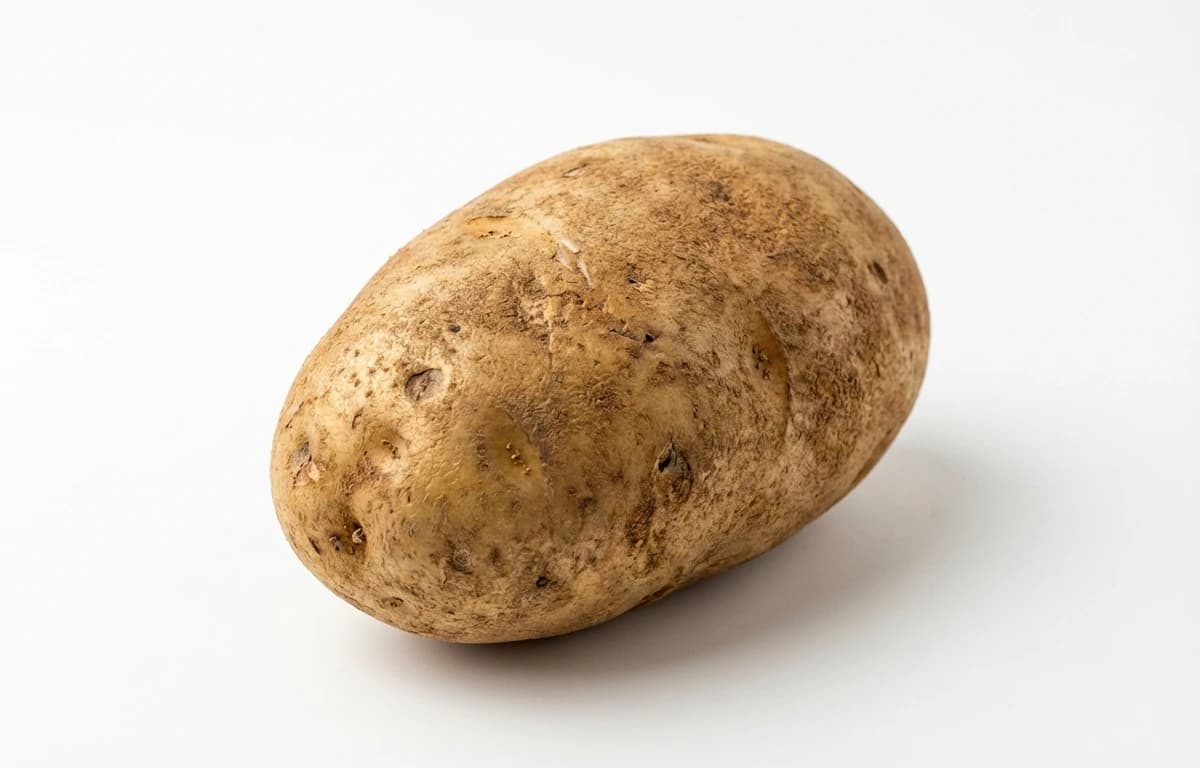
patata
Also known as:
Loading...
Also known as:
Per 100g
Nutrition data source: USDA FoodData Central
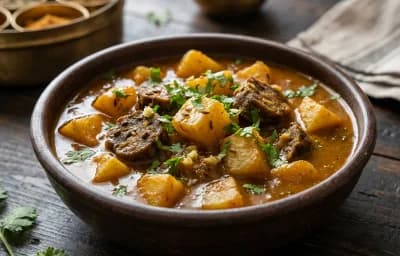
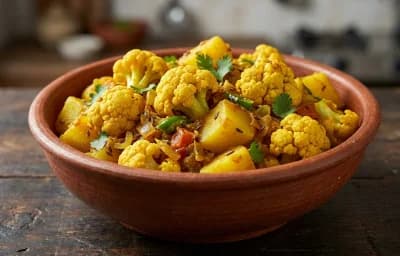
A classic Sindhi curry featuring tender potatoes and crispy, spiced lentil dumplings (vadi) simmered in a tangy onion-tomato masala. This comforting dish is packed with unique textures and robust flavors, perfect with hot rotis.
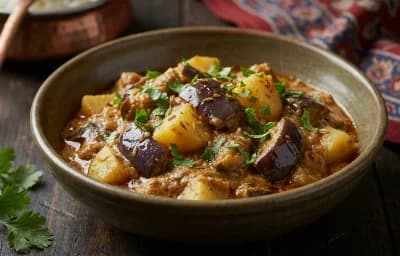
A classic Kashmiri dish where fried eggplant and potatoes are simmered in a fragrant, tangy gravy seasoned with fennel and ginger. This simple yet flavorful curry is a staple in Kashmiri homes and pairs perfectly with steamed rice.
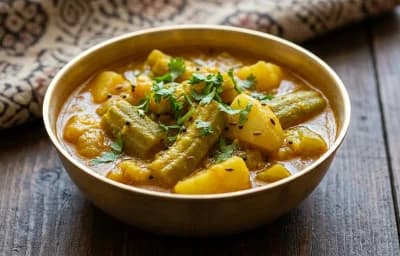
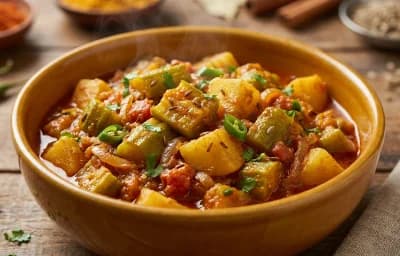
A classic Gujarati homestyle curry featuring tender ridge gourd and soft potatoes. This simple shaak perfectly balances sweet, tangy, and spicy notes, making it a comforting meal with rotis.
Yes, patatas are very healthy and nutritious. They are an excellent source of potassium, vital for blood pressure regulation, and rich in Vitamin C, which supports immune function. Patatas also contain dietary fiber, especially in the skin, aiding digestion and promoting fullness.
Per 100g, a patata contains approximately 77 calories, 2.05g of protein, 17.49g of carbohydrates, and only 0.09g of fat. They are also a good source of essential vitamins and minerals like Vitamin C and potassium.
Patatas can be part of a weight loss diet when consumed in moderation and prepared healthily. Their fiber content, especially with the skin, can promote satiety, helping to reduce overall calorie intake. However, preparation methods like frying can significantly increase calorie and fat content.
Yes, patatas are naturally gluten-free. They are a safe and versatile food choice for individuals with celiac disease or gluten sensitivity, making them a staple in many gluten-free diets.
Diabetics can eat patatas, but portion control and preparation are key due to their carbohydrate content. Cooking and cooling patatas can increase resistant starch, which has a lower glycemic impact. Pairing them with protein and fiber can also help manage blood sugar response.
No, patatas are generally not considered keto-friendly. They are high in carbohydrates, with about 17.49g per 100g, which exceeds the typical daily carb limit for a ketogenic diet. Individuals on a keto diet usually opt for lower-carb vegetable alternatives.
Patatas are incredibly versatile and can be boiled, baked, roasted, mashed, or fried. For healthier options, baking or boiling with the skin on preserves more nutrients and fiber. Roasting with a little olive oil and herbs is also a delicious and nutritious method.
patata is a versatile ingredient found in cuisines around the world. With 77 calories per 100g and 2.05 grams of protein, it's a nutritious addition to many dishes.
Explore more ingredients in the vegetable category with complete nutrition information.
View all vegetable →No, you don't always need to peel patatas. The skin is a good source of dietary fiber and some nutrients like potassium and Vitamin C. Washing them thoroughly is usually sufficient, especially for baking or roasting, to retain these benefits.
Store patatas in a cool, dark, and dry place, ideally between 45-50°F (7-10°C), like a pantry or cellar. Avoid refrigerating them, as this can convert starch to sugar, affecting flavor and texture. Keep them away from onions, as gases from onions can accelerate sprouting.
Properly stored patatas can last for several weeks to a few months. Signs of spoilage include green spots (indicating solanine, which can be toxic in large amounts), sprouts, soft or mushy spots, or a strong, unpleasant odor. Cut away green spots and sprouts before cooking, or discard if extensively spoiled.