
Dairy5 recipes
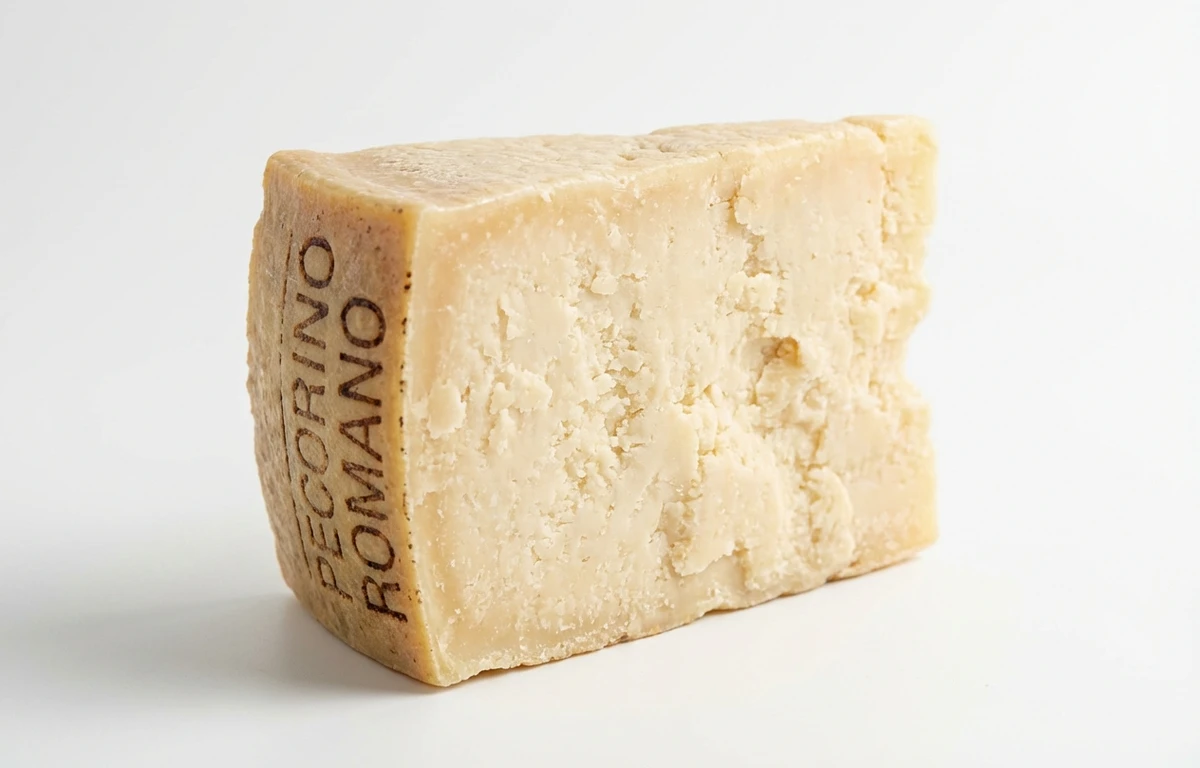
pecorino romano cheese.
VegetarianVeganGluten-freeDairy-freeNut-freePeanut-freeSoy-freeEgg-freeShellfish-freeHoney-freeAlcohol-freeHalalKosherFermented
SERVING
CALORIES
392
PROTEIN
25.8g
CARBS
3.6g
FAT
30.2g
FIBER
0g
NUTRITION PROFILE · per 100 g
Everything in this ingredient.
MACRONUTRIENTS
Calories392kcal—
Protein25.8g52%
Carbohydrates3.6g1%
Fiber0g0%
Sugar0.50g1%
Total fat30.2g39%
Saturated fat19.2g96%
Trans fat0.80g—
Cholesterol104mg35%
Water33.1g—
MINERALS
Sodium1800mg78%
Potassium40mg1%
Calcium1100mg85%
Iron0.50mg3%
Magnesium45mg11%
Phosphorus750mg60%
Zinc3.5mg32%
Copper0.05mg6%
Manganese0.02mg1%
Selenium14.5µg26%
VITAMINS
Vitamin A280µg31%
Vitamin C0mg0%
Vitamin D0.50µg3%
Vitamin E0.60mg4%
Vitamin K2.4µg2%
Thiamin (B1)0.03mg3%
Riboflavin (B2)0.40mg31%
Niacin (B3)0.10mg1%
Pantothenic acid (B5)0.30mg6%
Vitamin B60.10mg6%
Folate (B9)12µg3%
Vitamin B121.5µg63%
%DV based on a 2,000 cal diet. Source: USDA FoodData Central. A dash in the %DV column means there’s no established Daily Value for that nutrient.
MEASUREMENT CONVERSIONS
How much is what.
1 cup110g
1 tablespoon7g
1 teaspoon2g
1 oz28.4g
1 lb453.6g
HEALTH BENEFITS
Why eat it.
- ✓Excellent source of calcium for bone health
- ✓High protein content for muscle maintenance
- ✓Contains CLA (Conjugated Linoleic Acid) which may have anti-inflammatory properties
- ✓Lower lactose content than soft cheeses due to long aging process
- ✓Rich in Vitamin A and B12
COOKING TIPS
In the kitchen.
- 1Add salt to your dish only after adding the cheese, as Pecorino is naturally very salty
- 2Grate the cheese finely just before serving to maximize its sharp, pungent aroma
- 3Use the rind in soups or stews to add a deep, savory umami flavor
STORAGE
Keep it fresh.
- Wrap in parchment or wax paper, then loosely in foil to allow the cheese to breathe
- Store in the vegetable crisper drawer of the refrigerator where temperature is most consistent
- Avoid plastic wrap, which can trap moisture and encourage mold growth
FAQ
Frequently asked questions.
Is Pecorino Romano vegetarian?
No, traditional Pecorino Romano is made using animal rennet (specifically lamb rennet), which is an enzyme from the stomach of young animals.
How long does Pecorino Romano last in the fridge?
When stored properly in parchment paper, a wedge of Pecorino Romano can last for 4 to 6 months in the refrigerator.
What is the best substitute for Pecorino Romano?
Parmigiano-Reggiano is the closest substitute, though it is milder and less salty. Pecorino Sardo or a dry Manchego can also work.
Can I freeze Pecorino Romano?
Yes, you can freeze it for up to 6 months, but the texture may become more crumbly. It is best used for cooking rather than fresh eating after freezing.
How can I tell if Pecorino Romano has gone bad?
Look for signs of dark, fuzzy mold or a sour, ammonia-like smell. Hard cheeses can often have surface mold trimmed off, but if the smell is off, discard it.
What does the DOP seal mean on Pecorino Romano?
DOP (Denominazione di Origine Protetta) ensures the cheese was produced in specific regions of Italy (Lazio, Sardinia, or Tuscany) using traditional methods.
Is Pecorino Romano lactose-free?
It is not 100% lactose-free, but because it is aged for 8-12 months, most of the lactose is converted into lactic acid, making it easier to digest for some.
What are the most common dishes using Pecorino Romano?
It is the essential cheese for classic Roman pasta dishes like Cacio e Pepe, Carbonara, and Amatriciana.
RECIPES
Cook with pecorino romano cheese.
5 recipes · sorted by what’s quick



















