pesarapappu
Also known as:
Loading...
Also known as:
Per 100g
Nutrition data source: USDA FoodData Central
Yes, pesarapappu is highly nutritious. It's an excellent source of plant-based protein, dietary fiber, and essential nutrients like folate, magnesium, potassium, and B vitamins. Its low glycemic index also makes it beneficial for blood sugar management.
Per 100g, pesarapappu contains approximately 347 calories, 23.86g of protein, 62.62g of carbohydrates, and 1.15g of fat. This makes it a calorie-dense and protein-rich legume, providing substantial energy and muscle-building nutrients.
Yes, pesarapappu can be beneficial for weight loss. Its high protein and dietary fiber content promote satiety, helping you feel full longer and reducing overall calorie intake. It's a nutritious and filling option for managing weight effectively.
Yes, pesarapappu is naturally both vegan and gluten-free. As a legume, it is entirely plant-based and does not contain any animal products or gluten-containing grains, making it suitable for various dietary needs.
Yes, pesarapappu is a good choice for diabetics. It has a low glycemic index, which helps in regulating blood sugar levels and preventing sharp spikes after meals. Its fiber content also contributes to better glucose control.
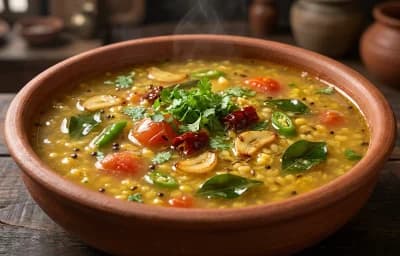
Pesarapappu is typically rinsed thoroughly and then soaked for 30 minutes to an hour to reduce cooking time. It can be boiled in water until tender, often used in dals, porridges, or ground into a batter for savory pancakes like Pesarattu.
Pesarapappu has a mild, slightly sweet, and earthy flavor. It's commonly used in South Indian cuisine for dishes like Pesarattu (savory crepes), various dals (lentil soups), porridges, and even some traditional sweets.
pesarapappu is a versatile ingredient found in cuisines around the world. With 347 calories per 100g and 23.86 grams of protein, it's a nutritious addition to many dishes.
Explore more ingredients in the legume category with complete nutrition information.
View all legume →Discover 0 recipes featuring pesarapappu with step-by-step instructions.
Browse recipes →Store dry pesarapappu in an airtight container in a cool, dark, and dry place, away from direct sunlight and moisture. Properly stored, it can maintain its quality for up to a year or even longer.
Yes, pesarapappu is well-known for being one of the easiest legumes to digest. This makes it a preferred choice for individuals with sensitive stomachs, infants, and the elderly, reducing issues like bloating or gas often associated with other beans.
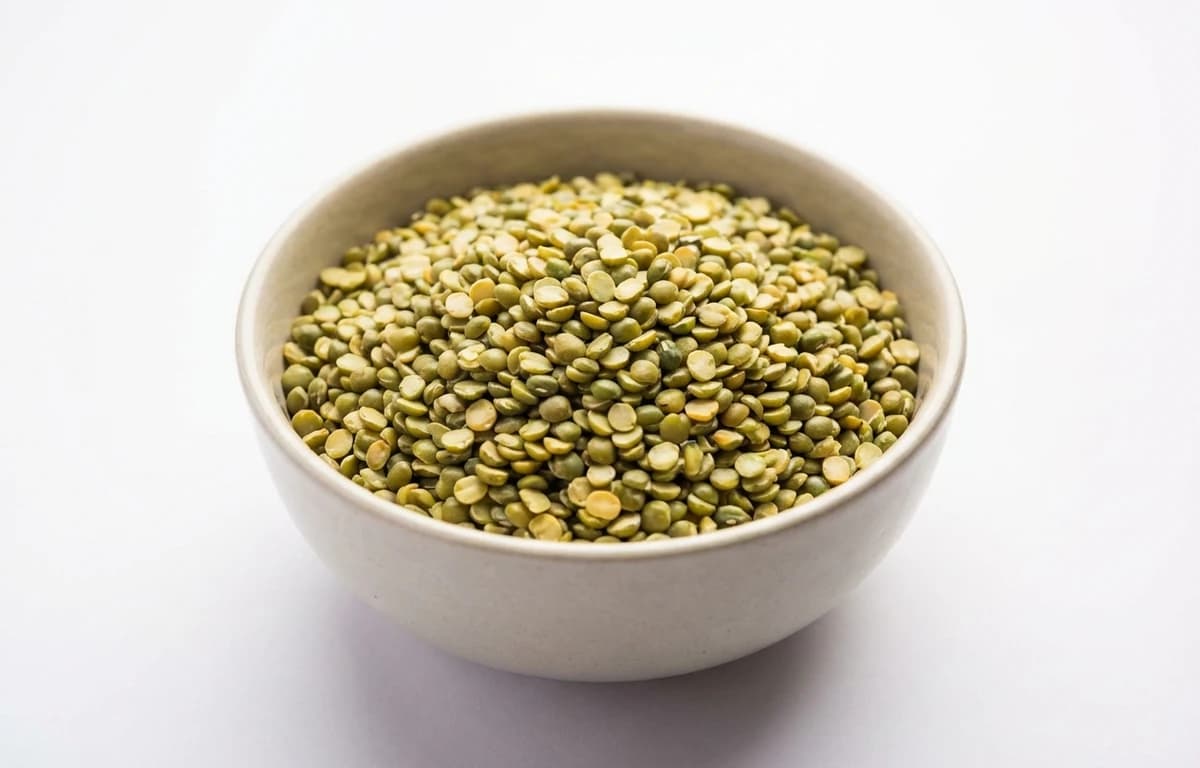
Pesarapappu is split green gram (moong dal) without the skin, while whole green gram (moong beans) retains its skin. Pesarapappu cooks faster and is generally easier to digest due to the removal of the outer skin, offering a milder flavor and smoother texture.