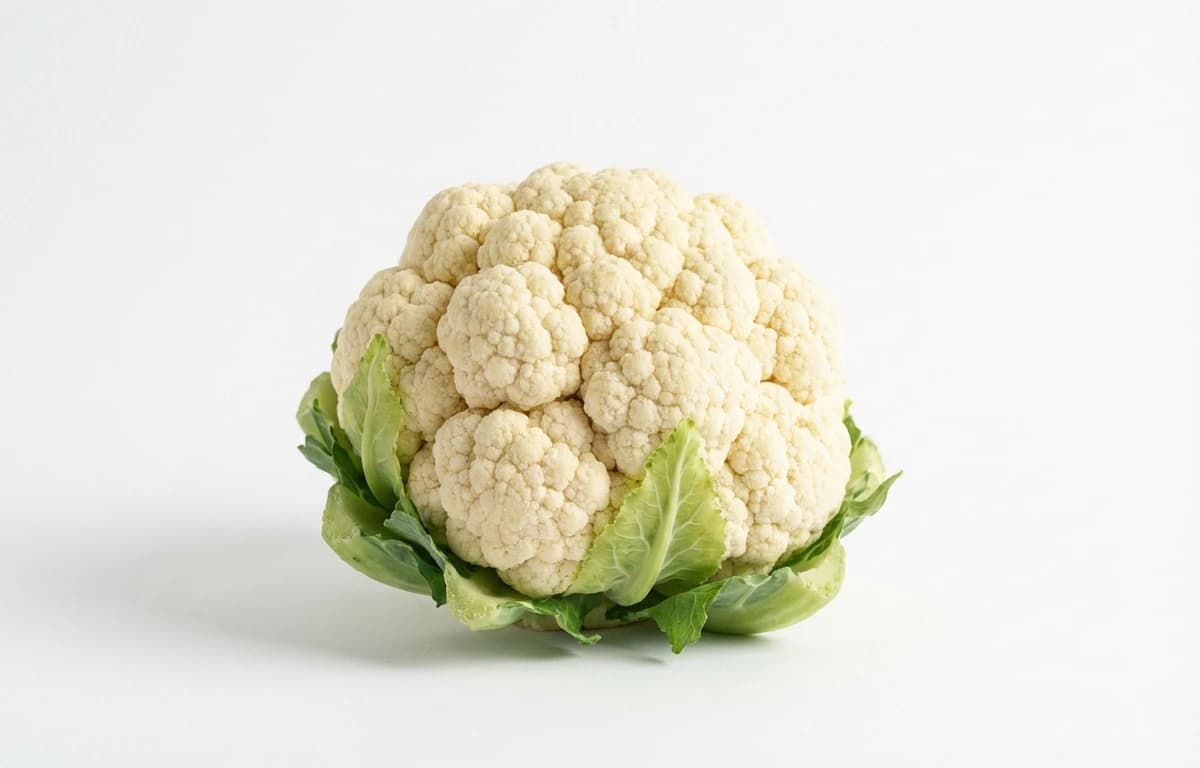
phulakobi
Also known as:
Loading...
Also known as:
Per 100g
Nutrition data source: USDA FoodData Central
Yes, phulakobi, commonly known as cauliflower, is very healthy. It's rich in essential vitamins like C and K, and provides a good amount of fiber. Its low-calorie and nutrient-dense profile makes it an excellent addition to any diet.
Per 100g, cauliflower contains approximately 25 calories, 1.92g protein, 5.3g carbs, and 0.28g fat. It's an excellent source of Vitamin C, supporting immune function, and Vitamin K, crucial for bone health. It also provides fiber for digestion and choline for brain health.
Absolutely, cauliflower is excellent for weight loss. It's very low in calories and high in fiber, which helps you feel full and satisfied, reducing overall calorie intake. Its high water content also contributes to satiety without adding significant calories.
Yes, cauliflower is highly keto-friendly. With only 5.3g of carbohydrates per 100g, it's a popular low-carb substitute for grains and potatoes in ketogenic diets. It can be used to make 'rice,' 'mashed potatoes,' or 'pizza crusts' that fit keto guidelines.
Yes, cauliflower is naturally gluten-free, making it suitable for individuals with celiac disease or gluten sensitivity. It is also a plant-based vegetable, so it is inherently vegan and fits perfectly into a vegan diet.
Cauliflower is incredibly versatile. It can be roasted, steamed, boiled, stir-fried, or even mashed. Roasting brings out a nutty flavor, while steaming keeps it tender-crisp. It's often used in curries, soups, salads, and as a low-carb alternative to grains.
phulakobi is a versatile ingredient found in cuisines around the world. With 25 calories per 100g and 1.92 grams of protein, it's a nutritious addition to many dishes.
Explore more ingredients in the vegetable category with complete nutrition information.
View all vegetable →Raw cauliflower has a slightly firm, crunchy texture and a mild, somewhat bitter, and subtly sweet flavor. When cooked, it becomes tender and its flavor mellows, often described as mild, slightly nutty, and earthy, making it a great canvas for various seasonings.
Store a whole head of cauliflower in the refrigerator, stem-side up, in a loosely sealed plastic bag or a perforated bag. This helps maintain its freshness and prevents moisture buildup. Avoid washing it until just before use.
A fresh head of cauliflower should be firm, compact, and white or creamy white, with bright green, crisp leaves. Avoid heads with brown spots, soft areas, or a strong, off-putting odor, as these are signs of spoilage.
Yes, cauliflower can be eaten raw and is a popular addition to salads and crudité platters. Eating it raw preserves its crisp texture and maximizes its vitamin C content. Just ensure it's thoroughly washed before consumption.