
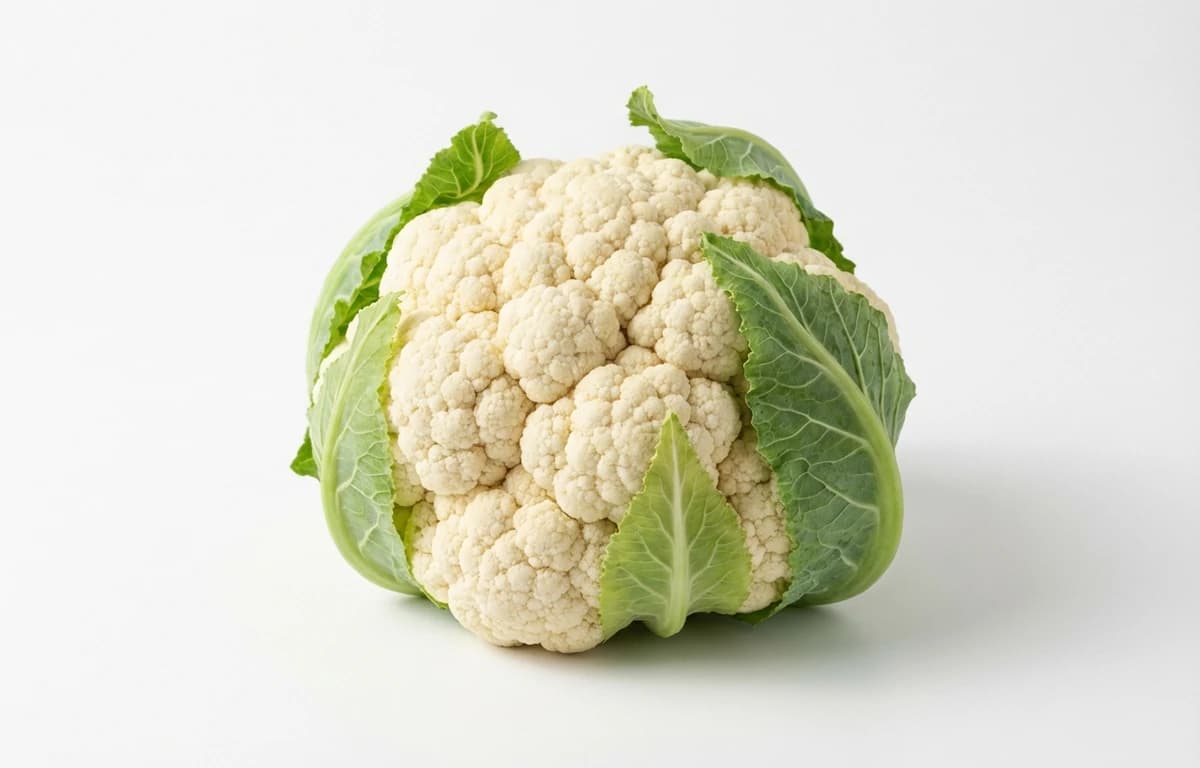
phulkobi
Also known as:
Loading...
Also known as:
Per 100g
Nutrition data source: USDA FoodData Central
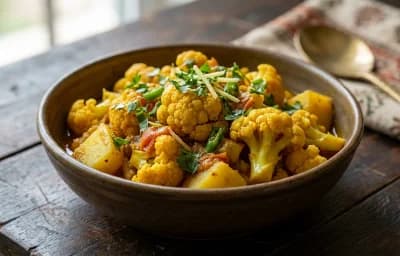
A classic Bengali comfort food featuring tender cauliflower and potatoes cooked in a simple, aromatic spice blend. This one-pan stir-fry is a staple in Bengali households and pairs perfectly with roti or rice.
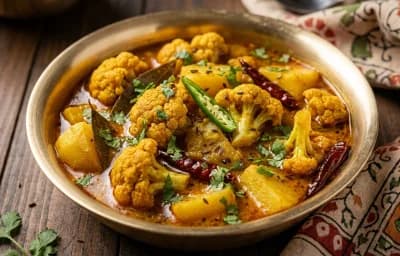
A classic Bengali comfort food, this light and flavorful curry features tender cauliflower and potatoes simmered in a fragrant ginger and tomato-based gravy. A simple, everyday dish that pairs perfectly with steamed rice or luchis.
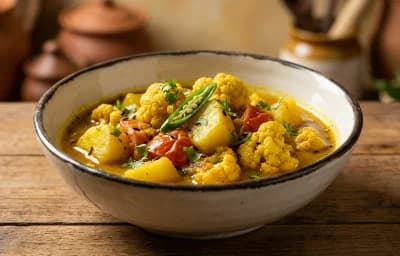
A classic Bengali dry curry with potatoes and cauliflower, lightly spiced with panch phoron. This comforting, everyday dish comes together quickly and pairs beautifully with rice or fresh rotis.
Yes, phulkobi is very healthy. It's packed with vitamins C and K, fiber, and antioxidants, supporting immune function, bone health, and digestion. Its low calorie and carb content also makes it excellent for overall wellness.
Phulkobi is rich in essential nutrients, including high levels of Vitamin C and K, and a good source of B vitamins and minerals. It provides dietary fiber for digestive health and contains powerful antioxidants like glucosinolates, which may help protect against cellular damage.
Absolutely. With only 25 calories per 100g and high fiber content, phulkobi promotes satiety and helps manage calorie intake. Its low carbohydrate nature also makes it a great substitute for higher-carb foods, aiding in weight management.
Yes, phulkobi is highly suitable for a keto diet. It's very low in carbohydrates, containing only 5g per 100g, making it an excellent substitute for grains like rice or potatoes in low-carb recipes.
Yes, phulkobi is naturally gluten-free and vegan. As a vegetable, it contains no animal products or gluten-containing grains, making it suitable for a wide range of dietary preferences and restrictions.
Phulkobi is incredibly versatile. It can be roasted, steamed, boiled, stir-fried, or even mashed as a low-carb alternative to potatoes. Roasting brings out a nutty flavor, while steaming preserves its delicate texture.
Phulkobi has a mild, slightly nutty, and subtly sweet flavor when cooked, with a firm yet tender texture. Raw, it's a bit crunchier and has a slightly more bitter, peppery taste. Its mildness allows it to absorb other flavors well.
phulkobi is a versatile ingredient found in cuisines around the world. With 25 calories per 100g and 1.9 grams of protein, it's a nutritious addition to many dishes.
Explore more ingredients in the vegetable category with complete nutrition information.
View all vegetable →Store whole phulkobi in the refrigerator, stem-side down, in a loosely sealed plastic bag or a perforated bag to allow air circulation. It can last for 1-2 weeks. Avoid washing it until just before use to prevent spoilage.
Look for a head that is firm, compact, and heavy for its size, with creamy white florets. The leaves should be green and crisp. Avoid phulkobi with brown spots, soft areas, or a strong odor, as these are signs of spoilage.
Yes, phulkobi can be eaten raw. It's crunchy and refreshing, making it a great addition to salads or as a dipper for hummus and other spreads. Raw phulkobi retains all its heat-sensitive vitamins.