Vegetable7 recipes
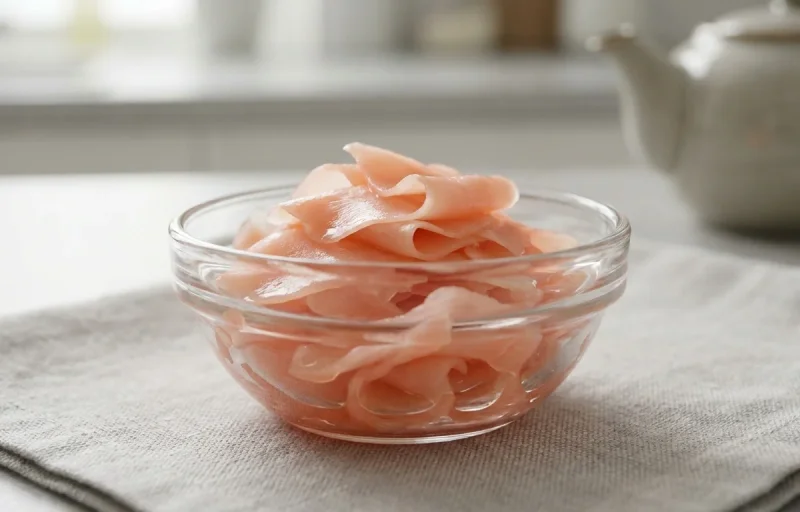
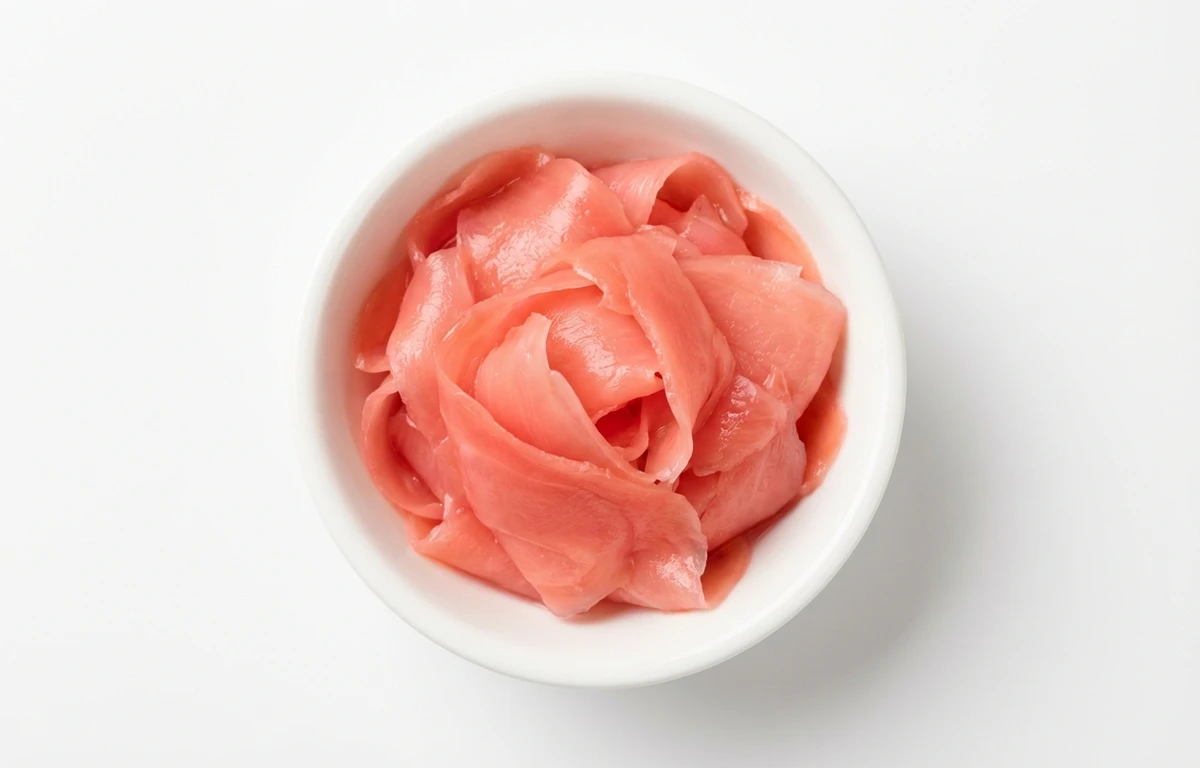
pickled ginger.
VegetarianVeganGluten-freeDairy-freeNut-freePeanut-freeSoy-freeEgg-freeShellfish-freeHoney-freeAlcohol-freeFermented
ALSO KNOWN AS
garisushi gingerpickled sushi gingersweet pickled gingershoga no amazu-zuke
SERVING
CALORIES
19
PROTEIN
0.20g
CARBS
4.5g
FAT
0.10g
FIBER
1.0g
This ingredient is flagged as naturally gluten-free. Per 100 g, it provides 0.10 µg of vitamin K.
NUTRITION PROFILE · per 100 g
Everything in this ingredient.
MACRONUTRIENTS
Calories19kcal—
Protein0.20g0%
Carbohydrates4.5g2%
Fiber1.0g4%
Sugar3.5g7%
Total fat0.10g0%
Saturated fat0g0%
Trans fat0g—
Cholesterol0mg0%
Water92g—
MINERALS
Sodium650mg28%
Potassium35mg1%
Calcium10mg1%
Iron0.40mg2%
Magnesium8.0mg2%
Phosphorus12mg1%
Zinc0.10mg1%
Copper0.05mg6%
Manganese0.10mg4%
Selenium0.50µg1%
VITAMINS
Vitamin A0µg0%
Vitamin C1.5mg2%
Vitamin D0µg0%
Vitamin E0.10mg1%
Vitamin K0.10µg0%
Thiamin (B1)0.01mg1%
Riboflavin (B2)0.01mg1%
Niacin (B3)0.20mg1%
Pantothenic acid (B5)0.10mg2%
Vitamin B60.05mg3%
Folate (B9)5.0µg1%
Vitamin B120µg0%
%DV based on a 2,000 cal diet. Source: USDA FoodData Central. A dash in the %DV column means there’s no established Daily Value for that nutrient.
MEASUREMENT CONVERSIONS
How much is what.
1 cup160g
1 tablespoon12g
1 teaspoon4g
1 oz28.4g
1 lb453.6g
1 ml1g
1 liter1000g
HEALTH BENEFITS
Why eat it.
- ✓Aids digestion and reduces bloating
- ✓Natural remedy for nausea and motion sickness
- ✓Acts as an effective palate cleanser
- ✓Very low in calories and fat
COOKING TIPS
In the kitchen.
- 1Serve between different types of sushi to cleanse the palate
- 2Finely mince and add to coleslaws or salads for a spicy tang
- 3Use the leftover pickling liquid in salad dressings or marinades
STORAGE
Keep it fresh.
- Keep submerged in its original brine to prevent drying out
- Store in an airtight glass jar in the refrigerator
- Use clean utensils to remove ginger to avoid bacterial contamination
FAQ
Frequently asked questions.
How long does pickled ginger last in the fridge?
When kept in its brine and refrigerated in an airtight container, it can last for up to 6 months.
Why is some pickled ginger pink and some white?
Young ginger naturally turns pink when pickled in vinegar. Older ginger stays white and is often dyed pink with beet juice or food coloring.
Can I freeze pickled ginger?
It is not recommended as freezing significantly alters the crisp texture and can make the ginger mushy upon thawing.
What is a good substitute for pickled ginger?
Freshly grated ginger mixed with a little rice vinegar and sugar, or thin slices of pickled radish can serve as alternatives.
Is pickled ginger high in sodium?
Yes, because it is preserved in a salt and vinegar brine, it contains a significant amount of sodium per serving.
How do I choose the best quality pickled ginger?
Look for jars where the ginger slices are thin, translucent, and firm rather than thick or fibrous.
Is pickled ginger the same as beni shoga?
No. Gari (sushi ginger) is sliced thin and sweet, while beni shoga is julienned, salty, and pickled in plum vinegar (umebosu brine).
Does pickled ginger contain probiotics?
Most commercial pickled ginger is pasteurized or made with vinegar rather than natural fermentation, so it usually does not contain live probiotics.
Can I eat pickled ginger every day?
Yes, in moderation. It is healthy but the high sodium and sugar content in the brine should be considered.
RECIPES
Cook with pickled ginger.
7 recipes · sorted by what’s quick