
Other10 recipes
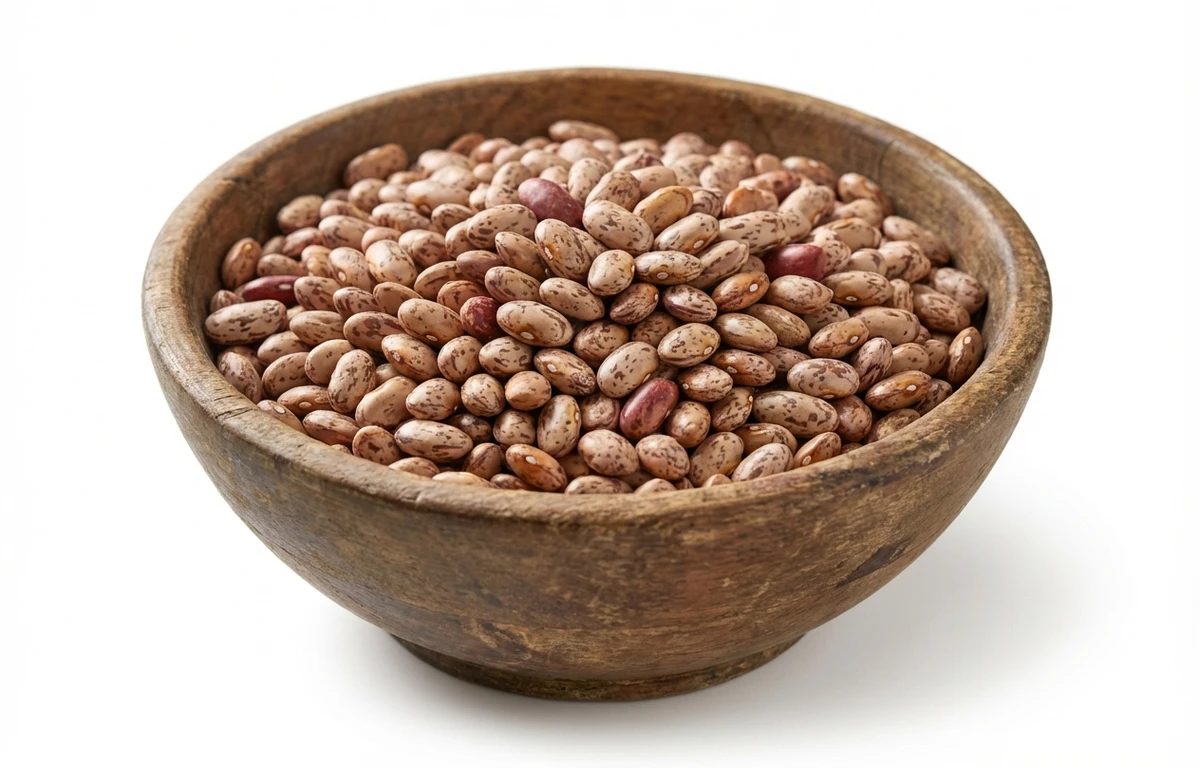
pinto beans.
VegetarianVeganGluten-freeDairy-freeNut-freePeanut-freeSoy-freeEgg-freeShellfish-freeHoney-freeAlcohol-free
SERVING
CALORIES
347
PROTEIN
21.4g
CARBS
62.6g
FAT
1.2g
FIBER
15.5g
This ingredient is flagged as naturally gluten-free. Per 100 g, it provides 5.6 µg of vitamin K.
NUTRITION PROFILE · per 100 g
Everything in this ingredient.
MACRONUTRIENTS
Calories347kcal—
Protein21.4g43%
Carbohydrates62.6g23%
Fiber15.5g55%
Sugar2.1g4%
Total fat1.2g2%
Saturated fat0.20g1%
Trans fat0g—
Cholesterol0mg0%
Water11.3g—
MINERALS
Sodium12mg1%
Potassium1393mg30%
Calcium113mg9%
Iron5.1mg28%
Magnesium176mg42%
Phosphorus411mg33%
Zinc2.3mg21%
Copper0.90mg100%
Manganese1.2mg52%
Selenium12.8µg23%
VITAMINS
Vitamin A0µg0%
Vitamin C6.3mg7%
Vitamin D0µg0%
Vitamin E0.20mg1%
Vitamin K5.6µg5%
Thiamin (B1)0.70mg58%
Riboflavin (B2)0.20mg15%
Niacin (B3)1.2mg8%
Pantothenic acid (B5)0.80mg16%
Vitamin B60.50mg29%
Folate (B9)525µg131%
Vitamin B120µg0%
%DV based on a 2,000 cal diet. Source: USDA FoodData Central. A dash in the %DV column means there’s no established Daily Value for that nutrient.
MEASUREMENT CONVERSIONS
How much is what.
1 cup190g
1 tablespoon12g
1 teaspoon4g
1 oz28.4g
1 lb453.6g
1 ml1.3g
1 liter800g
1 piece0.4g
HEALTH BENEFITS
Why eat it.
- ✓Excellent source of dietary fiber for digestive health
- ✓High plant-based protein content for muscle maintenance
- ✓Rich in folate (Vitamin B9) which supports cell growth
COOKING TIPS
In the kitchen.
- 1Soak dried beans overnight to reduce cooking time and improve digestibility
- 2Discard soaking water and use fresh water for cooking to reduce flatulence
- 3Add salt or acidic ingredients like tomatoes only after beans are tender to avoid toughness
STORAGE
Keep it fresh.
- Store dried beans in an airtight container in a cool, dark, and dry place
- Keep cooked beans in the refrigerator for up to 3 to 5 days
- Freeze cooked beans in airtight containers or freezer bags for up to 6 months
FAQ
Frequently asked questions.
How long do dried pinto beans last?
Dried pinto beans can last indefinitely if kept dry, but they are best used within 1-2 years. Older beans may take longer to cook.
Do I have to soak pinto beans before cooking?
While not strictly necessary, soaking reduces cooking time and helps break down complex sugars that cause gas.
What is a good substitute for pinto beans?
Kidney beans, borlotti (cranberry) beans, or black beans are the best substitutes due to similar texture and size.
How do I know if dried pinto beans have gone bad?
Check for signs of mold, insect holes, or a rancid smell. If they look shriveled or discolored beyond the normal speckled pattern, discard them.
How much do pinto beans expand when cooked?
Dried pinto beans typically triple in volume and weight once they are fully soaked and cooked.
Why are my pinto beans still hard after hours of cooking?
This can happen if the beans are very old, if you added salt/acid too early, or if you are using hard water with high mineral content.
RECIPES
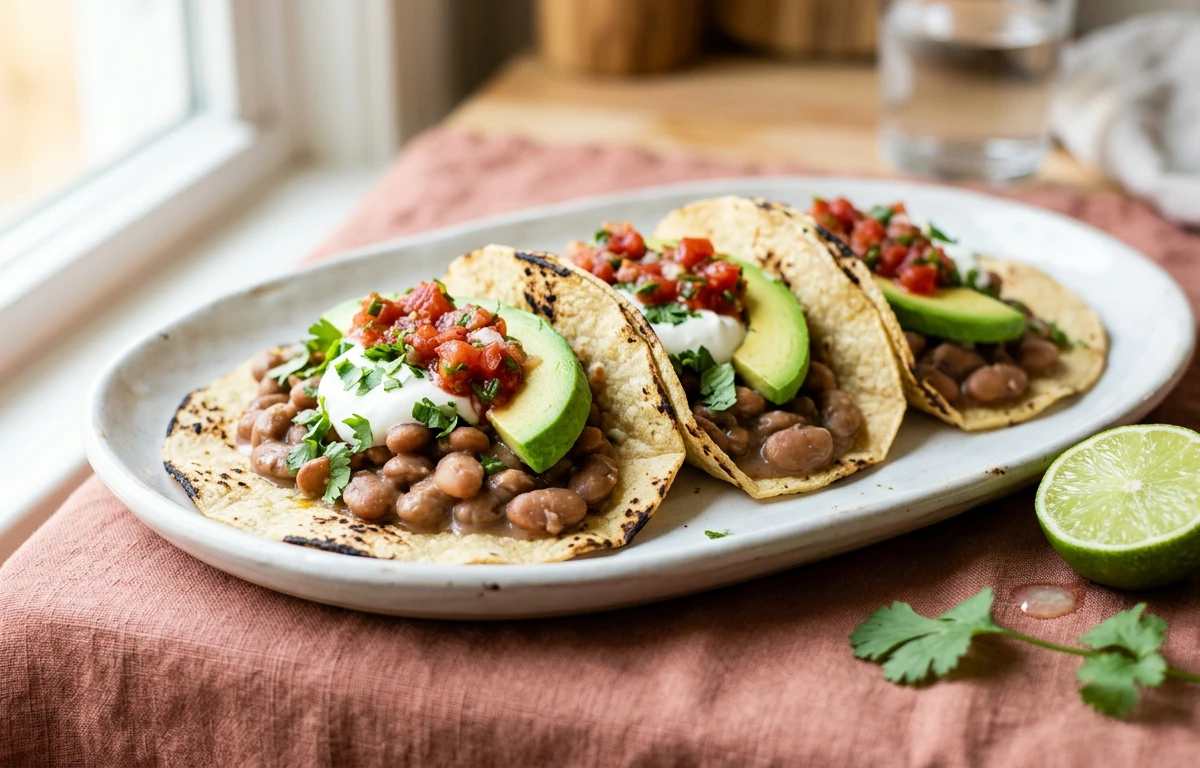
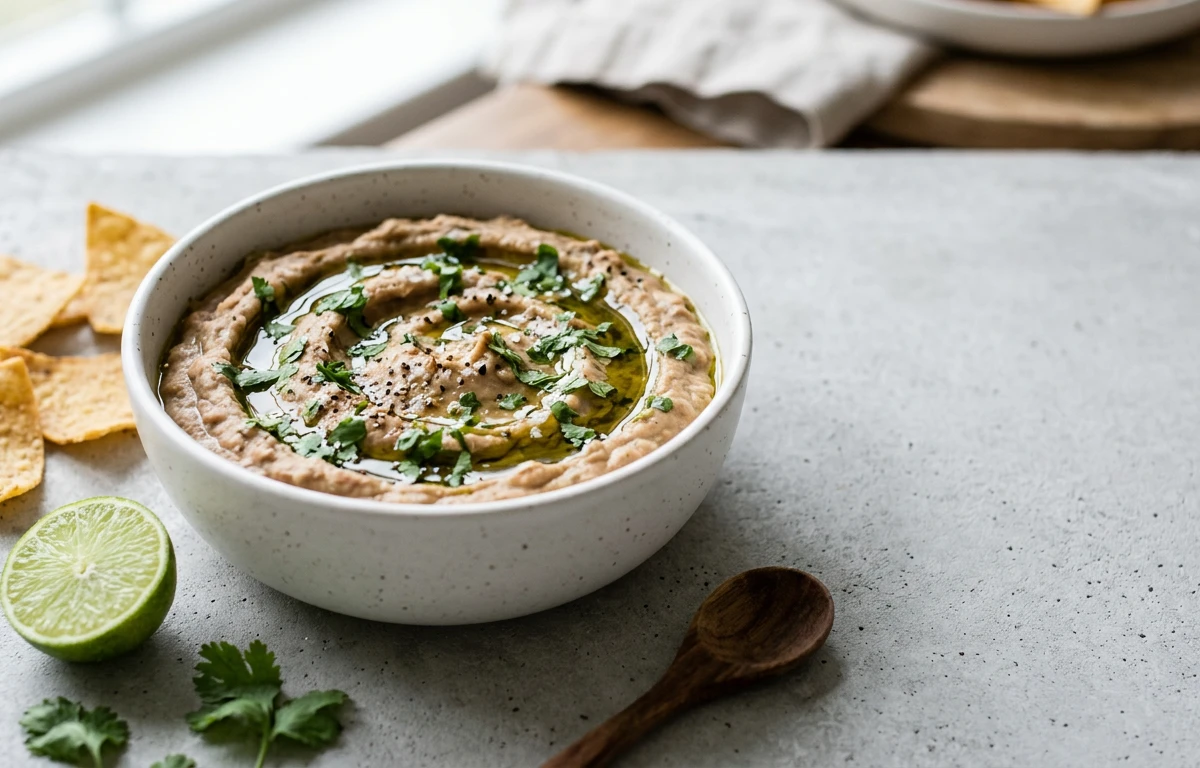
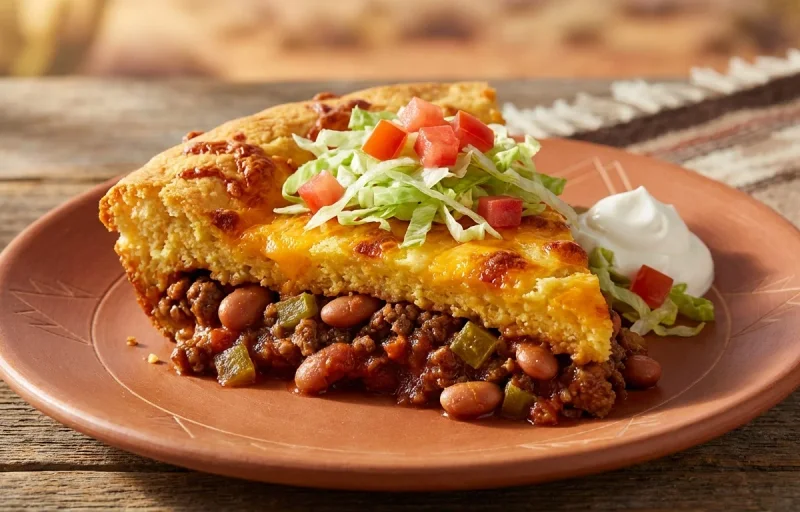
Cook with pinto beans.
10 recipes · sorted by what’s quick
RELATED GUIDES



















