Protein4 recipes
pork skin.
VegetarianVeganGluten-freeDairy-freeNut-freePeanut-freeSoy-freeEgg-freeShellfish-freeHoney-freeAlcohol-freeHalalKosher
ALSO KNOWN AS
pork rindpork cracklingchicharron
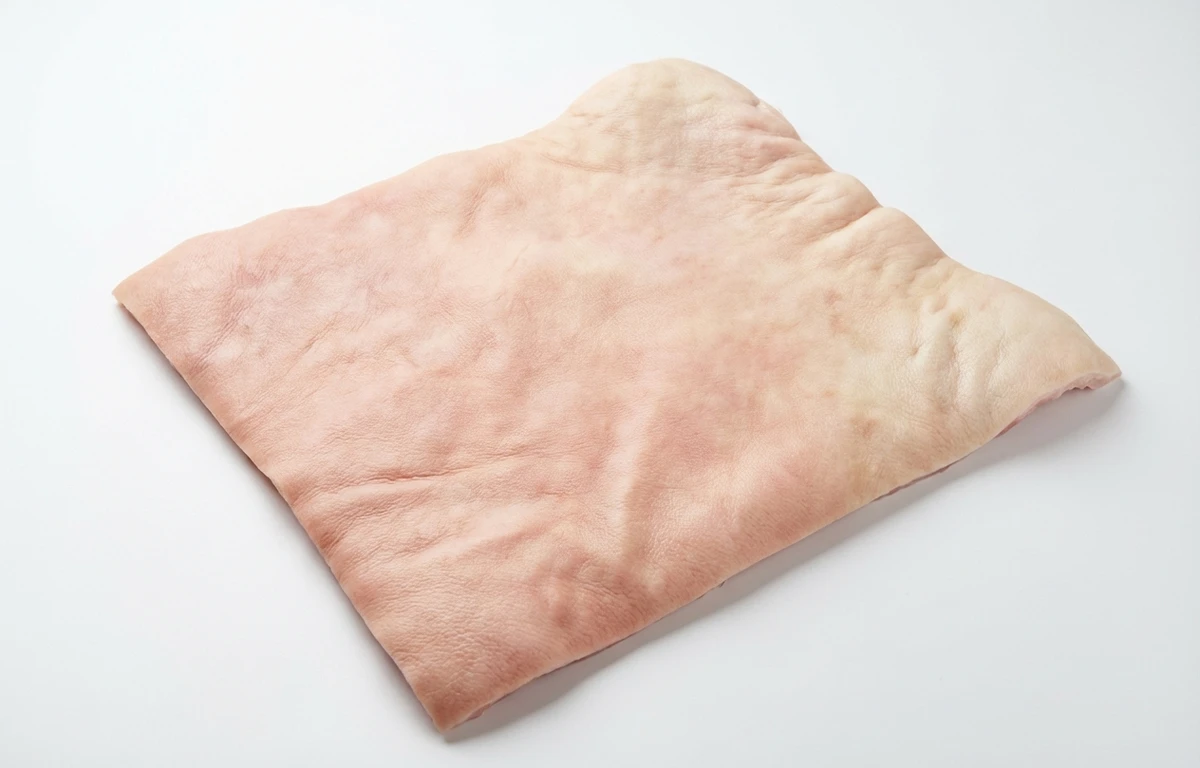
SERVING
CALORIES
544
PROTEIN
56.4g
CARBS
0g
FAT
34.7g
FIBER
0g
This ingredient is flagged as naturally gluten-free. Per 100 g, it provides 1.0 µg of vitamin K.
NUTRITION PROFILE · per 100 g
Everything in this ingredient.
MACRONUTRIENTS
Calories544kcal—
Protein56.4g113%
Carbohydrates0g0%
Fiber0g0%
Sugar0g0%
Total fat34.7g44%
Saturated fat12.1g61%
Cholesterol158mg53%
Water3.4g—
MINERALS
Sodium1810mg79%
Potassium100mg2%
Calcium10mg1%
Iron0.80mg4%
Magnesium3.1mg1%
Phosphorus24.1mg2%
Zinc0.16mg1%
Copper0.03mg3%
Manganese0.02mg1%
Selenium11.6µg21%
VITAMINS
Vitamin E0.15mg1%
Vitamin K1.0µg1%
Thiamin (B1)0.03mg3%
Riboflavin (B2)0.08mg6%
Niacin (B3)0.44mg3%
Pantothenic acid (B5)0.12mg2%
Vitamin B60.01mg1%
Folate (B9)0µg0%
Vitamin B120.18µg8%
%DV based on a 2,000 cal diet. Source: USDA FoodData Central. A dash in the %DV column means there’s no established Daily Value for that nutrient.
MEASUREMENT CONVERSIONS
How much is what.
1 cup150g
1 oz28.4g
1 lb453.6g
HEALTH BENEFITS
Why eat it.
- ✓Excellent source of collagen and gelatin, which may support joint health, skin elasticity, and gut lining integrity.
- ✓Rich in glycine, an amino acid that plays a role in muscle synthesis, neurotransmitter function, and may improve sleep quality.
- ✓When fried into pork rinds, it becomes a zero-carb, high-protein, and high-fat snack suitable for ketogenic or low-carb diets.
- ✓Provides a concentrated source of energy dues to its high fat content.
COOKING TIPS
In the kitchen.
- 1To make crispy chicharrones, boil the skin until tender, scrape off excess fat, dehydrate completely (in a low oven or dehydrator), then deep-fry in hot oil until it puffs up.
- 2Simmer pork skin in stocks, soups, or beans to add a rich, gelatinous body and savory flavor.
- 3Slowly render pork skin over low heat to extract high-quality lard for cooking, which also produces crispy cracklings as a byproduct.
- 4Braise pork skin in flavorful liquids, such as a mix of soy sauce, star anise, and cinnamon, for a tender and chewy texture common in Asian cuisines.
STORAGE
Keep it fresh.
- Store raw pork skin in an airtight container or tightly wrapped in the refrigerator at or below 40°F (4°C) for up to 2 days.
- For long-term storage, raw pork skin can be frozen for up to 3 months in a freezer-safe bag with excess air removed.
- Cooked and dried pork rinds (chicharrones) should be kept in a sealed, airtight container at room temperature to prevent them from becoming stale or soft.
FAQ
Frequently asked questions.
Is pork skin healthy?
Pork skin is an excellent source of protein, particularly collagen and gelatin, which may support joint health, skin elasticity, and gut integrity. However, it is very high in calories and fat, especially saturated fat, so it should be consumed in moderation as part of a balanced diet.
What are the main nutritional components of pork skin?
Per 100g, pork skin contains approximately 544 calories, 56.4g protein, 0g carbohydrates, and 34.7g fat. It is rich in collagen, gelatin, and the amino acid glycine, making it a concentrated source of protein and energy.
Is pork skin keto-friendly or low-carb?
Yes, pork skin is highly keto-friendly and low-carb. When prepared as pork rinds (fried pork skin), it contains virtually no carbohydrates, making it an excellent snack or ingredient for those following ketogenic or low-carb dietary plans.
Is pork skin gluten-free?
Naturally, fresh pork skin is gluten-free. If purchasing processed pork rinds or cracklings, it's always best to check the ingredient label to ensure no gluten-containing additives or cross-contamination occurred during manufacturing.
How do you prepare or cook pork skin?
Pork skin is commonly rendered for its fat (lard) and then fried or baked until crispy to create cracklings or pork rinds. It can also be boiled until tender before being fried or roasted to achieve a puffed, crunchy texture.
What does cooked pork skin taste like?
When properly cooked, pork skin becomes incredibly crispy and airy, with a rich, savory, and slightly salty pork flavor. The texture can range from a light, melt-in-your-mouth crunch to a more substantial, satisfying crispness.
How should fresh pork skin be stored?
Fresh pork skin should be stored in the refrigerator and used within 1-2 days, similar to other raw meats. For longer storage, it can be frozen in an airtight bag or container for several months.
Can pork skin be eaten raw?
No, pork skin should not be eaten raw. It requires thorough cooking to be safe for consumption, as raw pork can carry bacteria and parasites. Cooking also transforms its tough, chewy texture into a palatable, crispy form.
What are the benefits of collagen and gelatin in pork skin?
The collagen and gelatin in pork skin are beneficial for supporting joint health, improving skin elasticity, and potentially aiding in the repair and integrity of the gut lining. Gelatin also contributes to the rich texture of broths and sauces.
RECIPES
Cook with pork skin.
4 recipes · sorted by what’s quick