seed4 recipes
posta.
VegetarianVeganGluten-freeDairy-freeNut-freePeanut-freeSoy-freeEgg-freeShellfish-freeHoney-freeAlcohol-free
ALSO KNOWN AS
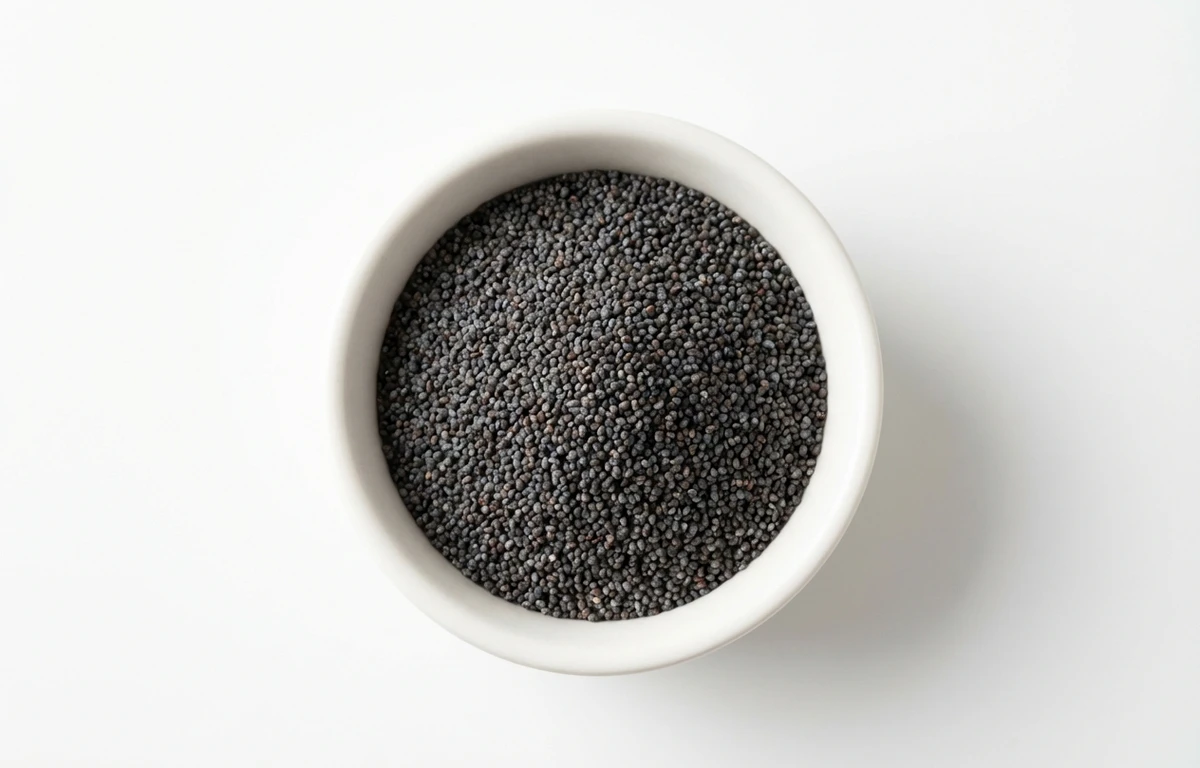
poppy seedskhus khuspostokhas khasopium poppy seedsgasagasekasakasa
SERVING
CALORIES
525
PROTEIN
18g
CARBS
28.1g
FAT
41.6g
FIBER
19.5g
NUTRITION PROFILE · per 100 g
Everything in this ingredient.
MACRONUTRIENTS
Calories525kcal—
Protein18g36%
Carbohydrates28.1g10%
Fiber19.5g70%
Sugar3.0g6%
Total fat41.6g53%
Saturated fat4.5g23%
Trans fat0g—
Cholesterol0mg0%
Water5.9g—
MINERALS
Sodium26mg1%
Potassium719mg15%
Calcium1438mg111%
Iron9.8mg54%
Magnesium347mg83%
Phosphorus870mg70%
Zinc7.9mg72%
Copper1.6mg178%
Manganese6.7mg291%
Selenium13.5µg25%
VITAMINS
Vitamin A0µg0%
Vitamin C1.0mg1%
Vitamin D0µg0%
Vitamin E1.8mg12%
Vitamin K0µg0%
Thiamin (B1)0.85mg71%
Riboflavin (B2)0.10mg8%
Niacin (B3)0.90mg6%
Pantothenic acid (B5)0.32mg6%
Vitamin B60.25mg15%
Folate (B9)82µg21%
Vitamin B120µg0%
%DV based on a 2,000 cal diet. Source: USDA FoodData Central. A dash in the %DV column means there’s no established Daily Value for that nutrient.
MEASUREMENT CONVERSIONS
How much is what.
1 cup145g
1 tablespoon9g
1 teaspoon3g
1 oz28.4g
1 lb453.6g
1 ml0.6g
1 liter600g
HEALTH BENEFITS
Why eat it.
- ✓Excellent source of calcium for bone health
- ✓High dietary fiber aids in digestion and prevents constipation
- ✓Contains oleic acid which helps lower bad cholesterol
- ✓Rich in manganese which assists in collagen production
- ✓Contains trace amounts of alkaloids that may promote better sleep
COOKING TIPS
In the kitchen.
- 1Soak in warm water or milk for 30 minutes before grinding into a paste
- 2Dry roast lightly on low heat to enhance the nutty aroma and flavor
- 3Use a traditional stone grinder (sil-batta) for the most authentic texture in Indian gravies
STORAGE
Keep it fresh.
- Store in an airtight container in a cool, dark place for up to 6 months
- Refrigerate or freeze to prevent the high oil content from turning rancid
- Keep away from moisture to avoid mold growth
FAQ
Frequently asked questions.
How long does posta last?
When stored in an airtight container in a cool, dry place, it lasts about 6 months. In the freezer, it can stay fresh for up to a year.
How do I know if poppy seeds have gone bad?
Check for a bitter or sharp 'off' smell, which indicates the oils have turned rancid. Fresh seeds should have a mild, nutty aroma.
What is the best substitute for posta in recipes?
White sesame seeds, soaked cashews, or melon seeds (magaj) are the best substitutes for achieving a similar creamy texture in gravies.
Do I need to wash poppy seeds before use?
It is generally recommended to rinse them in a fine-mesh strainer to remove any dust or debris before soaking and grinding.
Are poppy seeds safe to eat?
Yes, culinary poppy seeds are safe. While they come from the opium poppy, the seeds themselves contain negligible amounts of alkaloids.
Why is posta used in Indian cooking?
It is primarily used as a thickener for gravies (like in Rezala or Posto dishes) and to add a distinct nutty flavor and creamy mouthfeel.
Can I grind poppy seeds dry?
It is difficult to grind them dry because they are very small. They are best ground after soaking or using a specialized poppy seed mill.
Is posta high in calories?
Yes, it is calorie-dense (about 525 kcal per 100g) due to its high healthy fat content, so it should be used in moderation.
Does posta help with sleep?
In traditional medicine, a paste of poppy seeds mixed with milk is often used as a natural remedy for insomnia due to its mild calming effect.
RECIPES
Cook with posta.
4 recipes · sorted by what’s quick
-curry.webp)
SAME CATEGORY