Loading...
Per 100g
Nutrition data source: USDA FoodData Central
Yes, pumpernickel bread is very healthy. It's rich in dietary fiber, which aids digestion and promotes satiety. It also has a low glycemic index, helping to manage blood sugar levels, and contains beneficial plant compounds like lignans.
Per 100g, pumpernickel bread typically contains around 250 calories, 8.7g of protein, 47.5g of carbohydrates, and 3.1g of fat. It's also a good source of essential minerals such as manganese, selenium, and phosphorus.
Yes, pumpernickel bread can be beneficial for weight management. Its high fiber content helps you feel full longer, reducing overall calorie intake. The low glycemic index also prevents rapid blood sugar spikes that can lead to cravings.
No, pumpernickel bread is not gluten-free. It is traditionally made from rye flour, which contains gluten. Individuals with celiac disease or gluten sensitivity should avoid it.
Yes, pumpernickel bread is generally considered suitable for diabetics due to its low glycemic index. This means it causes a slower and more gradual rise in blood sugar compared to many other breads, helping with blood sugar control.
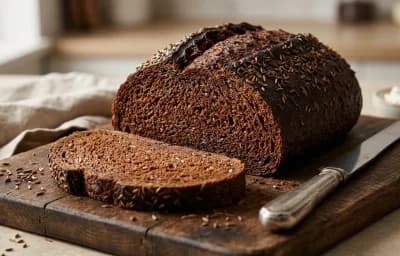
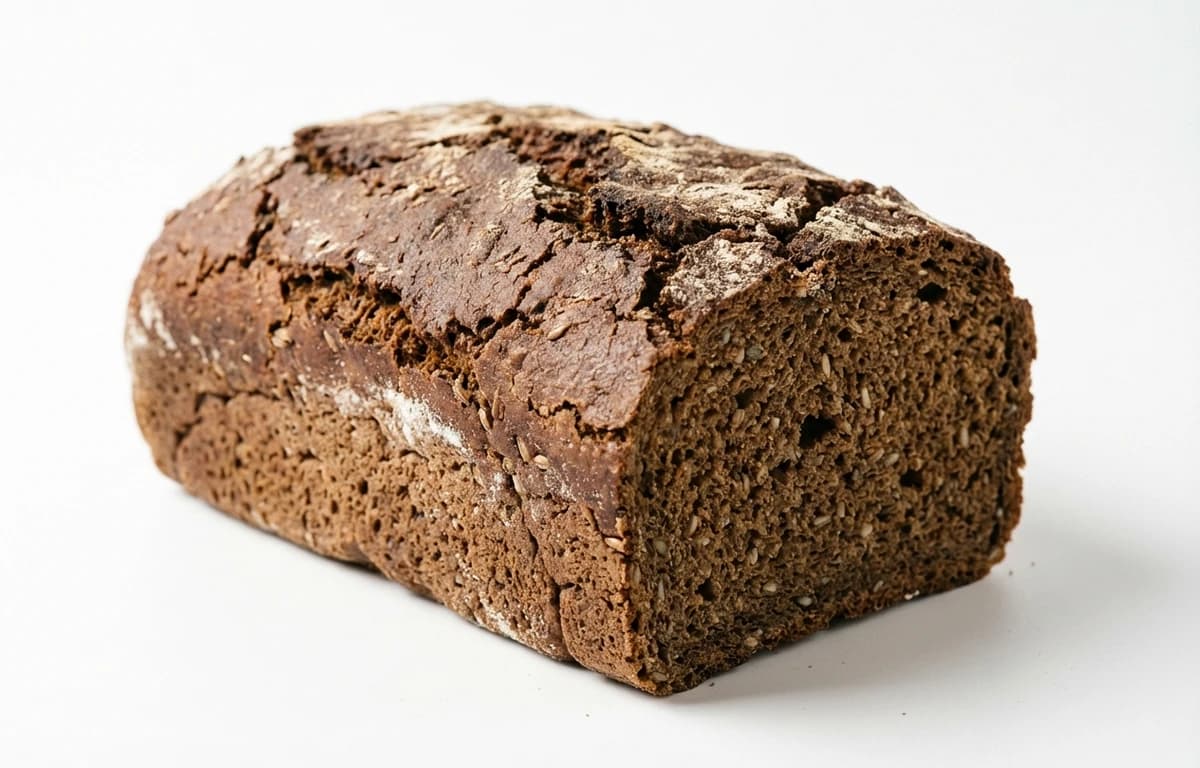
Pumpernickel bread has a distinctive, rich, earthy, and slightly sweet flavor with a hint of bitterness. Its dense, moist texture and dark color are characteristic, often with a malty or coffee-like aroma due to its long baking process.
Pumpernickel bread is excellent for open-faced sandwiches, especially with smoked fish, cheese, or deli meats. It also pairs well with strong cheeses, pickles, and hearty stews, and can be served as an appetizer with spreads.
pumpernickel bread is a versatile ingredient found in cuisines around the world. With 250 calories per 100g and 8.7 grams of protein, it's a nutritious addition to many dishes.
Explore more ingredients in the grain category with complete nutrition information.
View all grain →Discover 0 recipes featuring pumpernickel bread with step-by-step instructions.
Browse recipes →Pumpernickel bread keeps well at room temperature in an airtight container or bread box for several days. For longer storage, it can be tightly wrapped and frozen for up to a few months, then thawed at room temperature.
Its dark color and dense texture come from a unique, long baking process, often lasting 16-24 hours, at low temperatures. This slow baking caramelizes the sugars in the rye flour, developing its deep color and rich, complex flavor.
Yes, traditional pumpernickel bread is made from whole rye flour or coarsely ground rye berries, making it a whole grain bread. This contributes to its high fiber content and nutritional benefits.