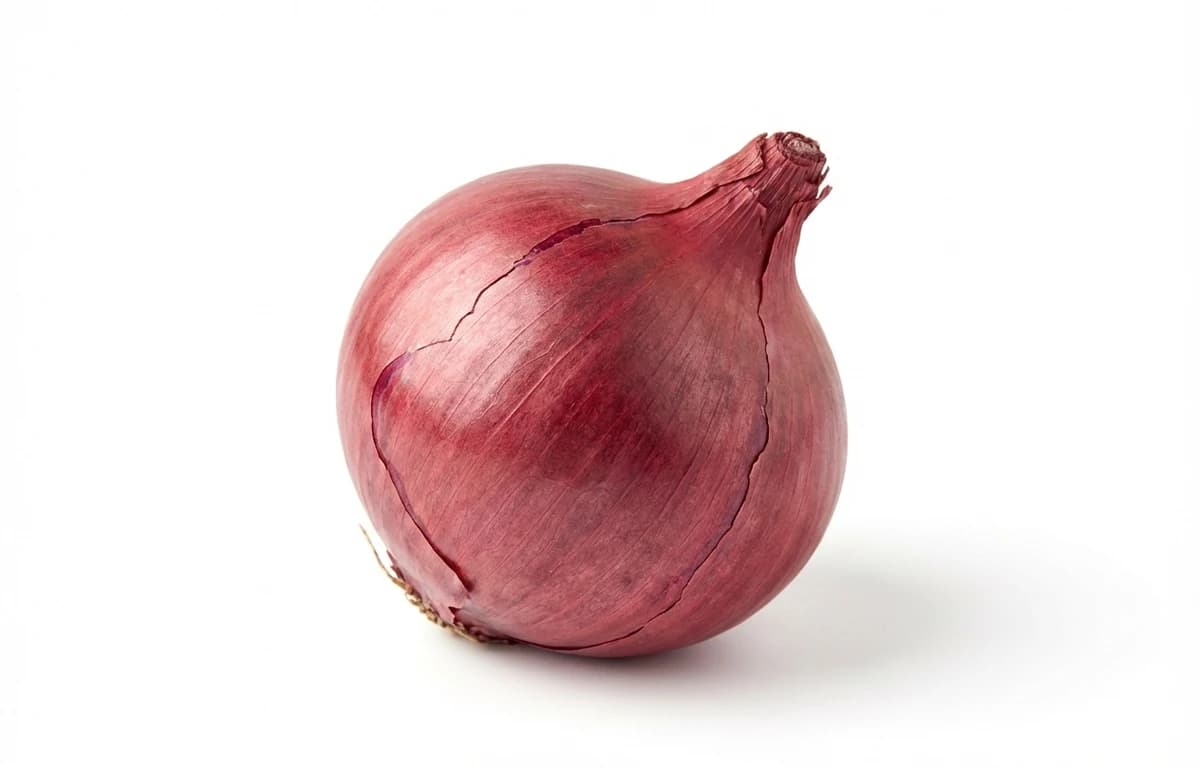
pyaaz
Also known as:
Loading...
Also known as:
Per 100g
Nutrition data source: USDA FoodData Central

A rustic and spicy potato and onion stir-fry from Rajasthan. This simple sabzi features fried potatoes and pearl onions tossed in a yogurt-based masala with whole spices like fennel and nigella seeds. Pairs perfectly with hot chapatis or parathas.

Crispy, flaky deep-fried pastries stuffed with a spicy and tangy onion filling. This iconic street food from Jaipur is a perfect tea-time snack, bursting with the authentic Rajasthani flavors of fennel, coriander, and other aromatic spices.

A rustic and tangy Rajasthani curry featuring potatoes, onions, soft paneer, and firm tofu simmered in a flavorful yogurt-based gravy. This authentic dish brings the vibrant flavors of Jaipur right to your dinner table.
Yes, pyaaz is very healthy and nutritious. It's rich in antioxidants, particularly quercetin, which has anti-inflammatory properties, and contains sulfur compounds that may support heart health. It also provides prebiotics for gut health and Vitamin C for immune function.
Per 100g, pyaaz contains approximately 40 calories, 1.1g protein, 9.34g carbohydrates, and 0.1g fat. It's a low-calorie vegetable that offers a good amount of fiber and essential vitamins and minerals, making it a healthy addition to most diets.
Yes, pyaaz can be beneficial for weight loss. It's low in calories and fat, yet provides dietary fiber which can help you feel full and satisfied. Its rich nutrient profile also supports overall health during a calorie-controlled diet.
Yes, pyaaz is naturally vegan as it is a plant-based vegetable. It is also naturally gluten-free, making it a suitable ingredient for individuals following vegan, vegetarian, or gluten-free diets.
Yes, diabetics can generally eat pyaaz. While it contains carbohydrates (around 9.34g per 100g), its glycemic index is relatively low, and it provides fiber and beneficial compounds that may help regulate blood sugar. As with any food, portion control is key.
Pyaaz is incredibly versatile and can be cooked in many ways. Common methods include sautéing until translucent or caramelized, roasting, grilling, frying, or incorporating into soups, stews, and curries as a flavor base. It's a staple in countless cuisines.
Yes, pyaaz can be eaten raw and is often used in salads, sandwiches, and as a garnish. Raw onions have a pungent, sharp flavor and a crisp texture. Soaking sliced raw onions in cold water for a few minutes can help reduce their intensity.
pyaaz is a versatile ingredient found in cuisines around the world. With 40 calories per 100g and 1.1 grams of protein, it's a nutritious addition to many dishes.
Explore more ingredients in the vegetable category with complete nutrition information.
View all vegetable →Store whole, unpeeled pyaaz in a cool, dry, dark, and well-ventilated place, such as a pantry or mesh bag. Avoid storing them in the refrigerator, as the humidity can make them soft and sprout faster. Keep them away from potatoes, as both release gases that can spoil the other.
Whole, unpeeled pyaaz stored properly in a cool, dry place can last for several weeks to a few months, depending on the variety. Once cut, store them in an airtight container in the refrigerator and use within 7-10 days to maintain freshness and prevent spoilage.
Pyaaz makes you cry due to a chemical reaction that occurs when it's cut. The cutting process releases enzymes that react with sulfur-containing compounds to produce syn-propanethial-S-oxide, a volatile gas that irritates the eyes and triggers tear production as a protective response.