
Grain1 recipes
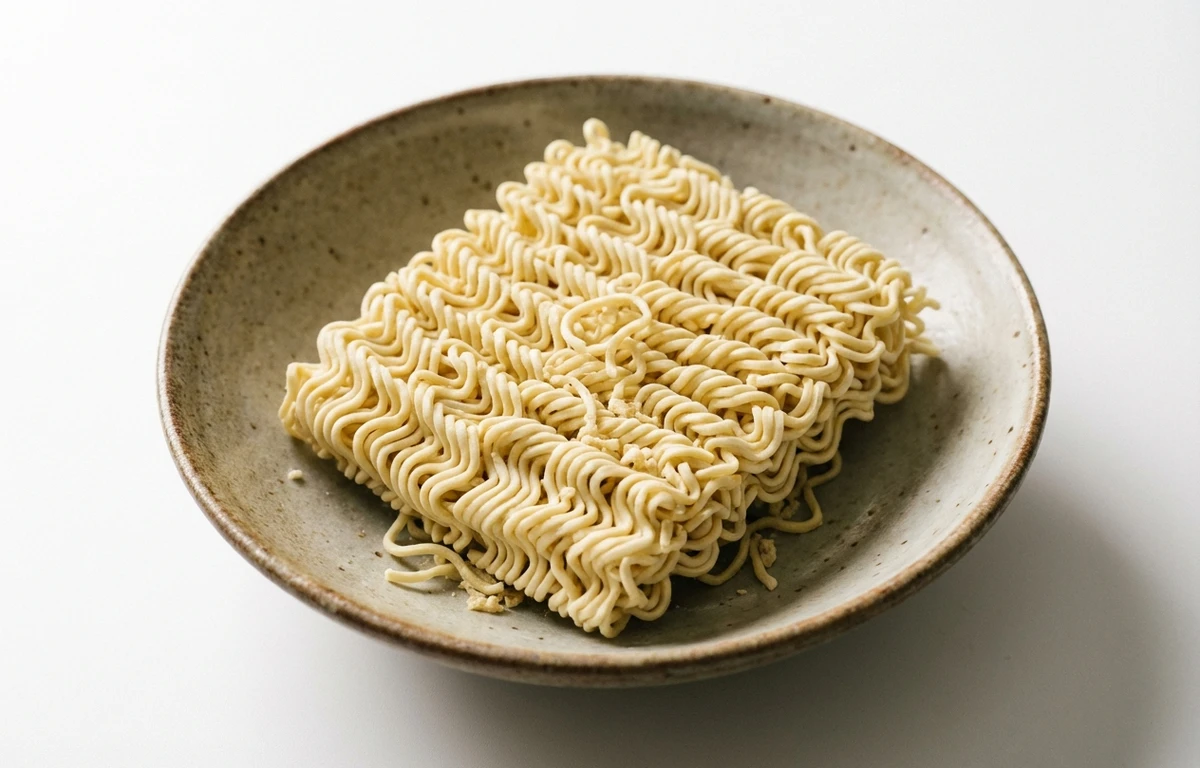
ramen noodles.
VegetarianVeganGluten-freeDairy-freeNut-freePeanut-freeSoy-freeEgg-freeShellfish-freeHoney-freeAlcohol-free
SERVING
CALORIES
440
PROTEIN
10.2g
CARBS
60.3g
FAT
17.6g
FIBER
2.9g
NUTRITION PROFILE · per 100 g
Everything in this ingredient.
MACRONUTRIENTS
Calories440kcal—
Protein10.2g20%
Carbohydrates60.3g22%
Fiber2.9g10%
Sugar2.0g4%
Total fat17.6g23%
Saturated fat8.1g41%
Trans fat0.07g—
Cholesterol5.0mg2%
Water6.5g—
MINERALS
Sodium1855mg81%
Potassium181mg4%
Calcium21mg2%
Iron4.1mg23%
Magnesium25mg6%
Phosphorus115mg9%
Zinc0.60mg5%
Copper0.13mg14%
Manganese0.63mg27%
Selenium23.1µg42%
VITAMINS
Vitamin A1.0µg0%
Vitamin C0.30mg0%
Vitamin E2.4mg16%
Vitamin K8.9µg7%
Thiamin (B1)0.45mg38%
Riboflavin (B2)0.26mg20%
Niacin (B3)5.4mg34%
Pantothenic acid (B5)0.44mg9%
Vitamin B60.04mg2%
Folate (B9)116µg29%
Vitamin B120.25µg10%
%DV based on a 2,000 cal diet. Source: USDA FoodData Central. A dash in the %DV column means there’s no established Daily Value for that nutrient.
MEASUREMENT CONVERSIONS
How much is what.
1 oz28.4g
1 lb453.6g
1 piece90g
HEALTH BENEFITS
Why eat it.
- ✓Provides a quick and convenient source of carbohydrates for energy.
- ✓Can serve as an inexpensive and versatile base for a meal, allowing for the addition of fresh vegetables and protein to enhance nutritional value.
- ✓Often fortified with essential B vitamins (like riboflavin, niacin, thiamine) and iron, contributing to daily micronutrient intake.
COOKING TIPS
In the kitchen.
- 1For optimal texture, cook dried ramen noodles in a generous amount of rapidly boiling water for 2-4 minutes until 'al dente' (firm to the bite), then drain thoroughly before adding to broth.
- 2Avoid overcooking, as ramen noodles can quickly become soggy. They will continue to soften slightly when added to hot broth.
- 3To reduce starch and prevent broth from becoming cloudy, you can briefly rinse cooked noodles under hot water before adding them to your soup.
- 4For a more balanced meal, enhance ramen with fresh vegetables (e.g., bok choy, spinach, carrots), a protein source (e.g., egg, tofu, chicken), and garnishes like green onions or nori.
STORAGE
Keep it fresh.
- Store dried or instant ramen noodles in their original packaging in a cool, dry pantry away from direct sunlight and strong odors; they typically last for 6-12 months or longer.
- Fresh (nama) ramen noodles should be kept refrigerated in an airtight container and consumed within 2-3 days for best quality.
- Once cooked, leftover noodles should be stored separately from broth in an airtight container in the refrigerator and consumed within 1-2 days.
FAQ
Frequently asked questions.
Are ramen noodles healthy?
While ramen noodles provide a quick source of carbohydrates for energy and are often fortified with B vitamins and iron, they can be high in calories, fat, and especially sodium. To make them healthier, it's recommended to add fresh vegetables and lean protein, and consider using less of the seasoning packet.
How much protein, carbs, and fat are in ramen noodles?
Based on typical nutritional data, 100g of ramen noodles contains approximately 440 calories, 10.17g of protein, 60.26g of carbohydrates, and 17.59g of fat. These values can vary slightly depending on the specific brand and type of ramen.
Are ramen noodles good for weight loss?
Ramen noodles are generally not ideal for weight loss due to their high calorie and fat content, and often low fiber, which can lead to less satiety. While they provide quick energy, a diet focused on whole, unprocessed foods with higher fiber and protein is more effective for sustainable weight management.
Are ramen noodles gluten-free?
Most traditional ramen noodles are made from wheat flour, so they are not gluten-free. However, many brands now offer gluten-free ramen noodle alternatives made from rice flour, buckwheat, or other gluten-free grains, which are suitable for individuals with celiac disease or gluten sensitivity.
Are ramen noodles vegan?
The noodles themselves are often vegan, typically made from wheat flour, water, and salt. However, the seasoning packets commonly included with instant ramen often contain animal-derived ingredients like beef, chicken, or seafood extracts, making the complete product non-vegan. Always check the ingredient list for specific brands.
Can diabetics eat ramen noodles?
Diabetics should consume ramen noodles with caution due to their high carbohydrate content, which can significantly impact blood sugar levels. Opting for smaller portions, choosing whole-wheat or lower-carb noodle alternatives, and pairing them with plenty of non-starchy vegetables and lean protein can help mitigate blood sugar spikes.
How do you cook ramen noodles?
For instant ramen, typically boil 2 cups of water, add the noodles, and cook for 2-3 minutes until tender. Stir in the seasoning packet and any desired additions. For fresh or dried non-instant ramen, follow package instructions, which usually involve boiling in water for a few minutes until al dente.
What can I add to ramen noodles to make them more nutritious?
To boost nutrition, add a variety of fresh or frozen vegetables like spinach, carrots, mushrooms, or bok choy. Incorporate a lean protein source such as a boiled egg, tofu, cooked chicken, or shrimp. You can also enhance flavor with fresh herbs, garlic, ginger, or a dash of sesame oil.
How should I store ramen noodles?
Instant and dried ramen noodles should be stored in a cool, dry place away from direct sunlight and moisture. Keep them in their original packaging or an airtight container to maintain freshness. Fresh ramen noodles, if purchased, should be refrigerated and consumed by the 'use by' date.
How long do ramen noodles last?
Instant ramen noodles typically have a long shelf life, often lasting 6-12 months or even longer past their 'best by' date if stored properly, though quality may diminish. Fresh ramen noodles have a much shorter shelf life, usually only a few days in the refrigerator.
RECIPES
Cook with ramen noodles.
1 recipes · sorted by what’s quick



















