beverage1 recipes
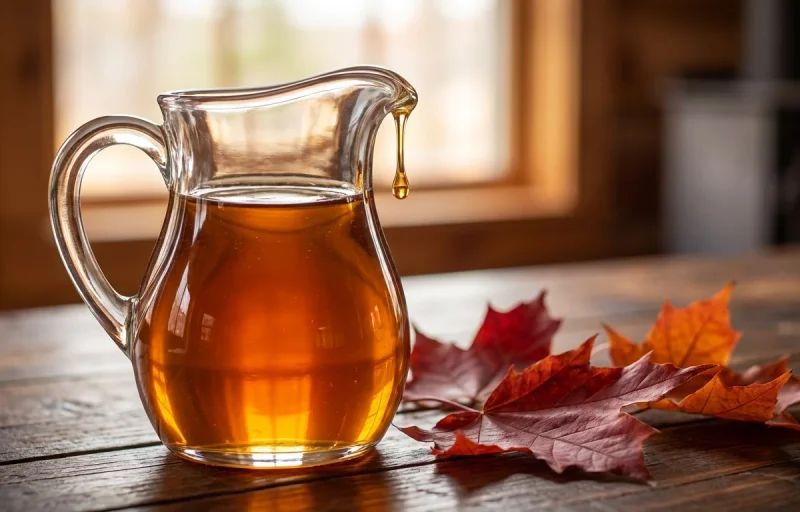
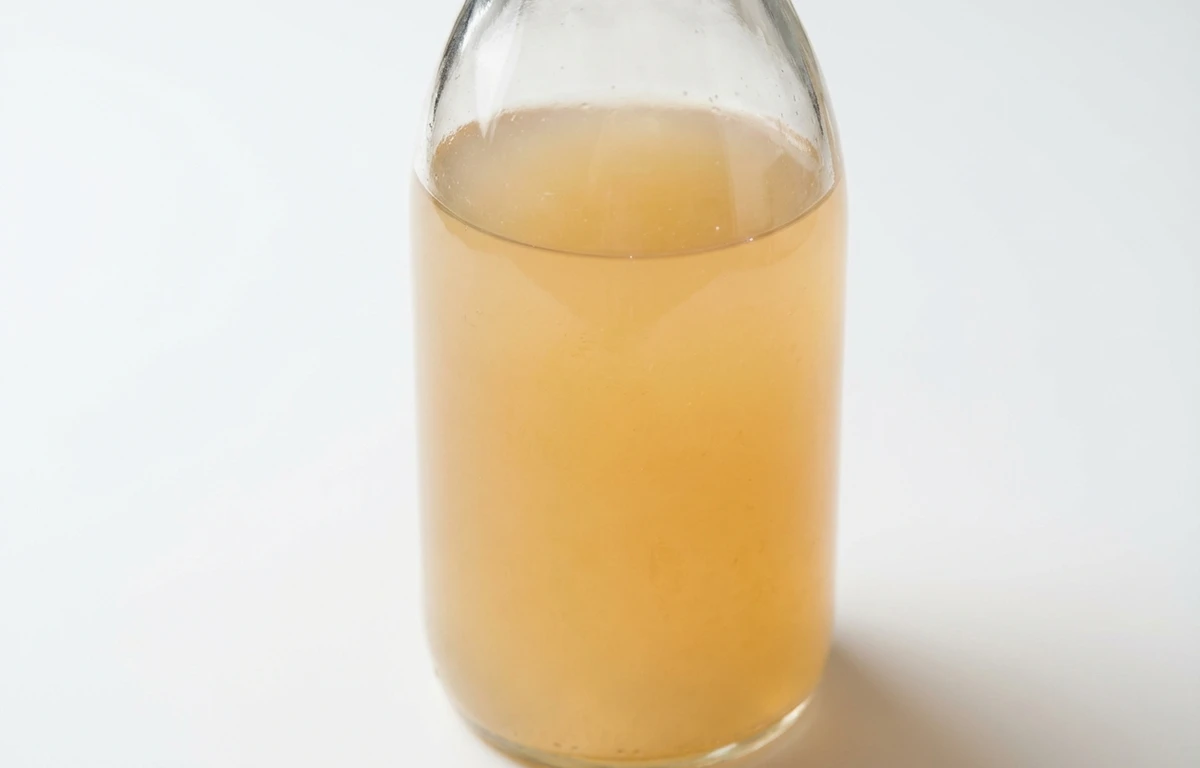
Raw Maple Sap.
VegetarianVeganGluten-freeDairy-freeNut-freePeanut-freeSoy-freeEgg-freeShellfish-freeHoney-freeAlcohol-free
ALSO KNOWN AS
Maple WaterSweetwaterMaple JuiceEau d'érable
SERVING
CALORIES
12
PROTEIN
0g
CARBS
3.0g
FAT
0g
FIBER
0g
NUTRITION PROFILE · per 100 g
Everything in this ingredient.
MACRONUTRIENTS
Calories12kcal—
Protein0g0%
Carbohydrates3.0g1%
Fiber0g0%
Sugar2.6g5%
Total fat0g0%
Saturated fat0g0%
Trans fat0g—
Cholesterol0mg0%
Water97g—
MINERALS
Sodium1.0mg0%
Potassium15mg0%
Calcium5.0mg0%
Iron0.01mg0%
Magnesium1.0mg0%
Phosphorus0.50mg0%
Zinc0.10mg1%
Copper0.01mg1%
Manganese0.30mg13%
Selenium0.10µg0%
VITAMINS
Vitamin A0µg0%
Vitamin C0mg0%
Vitamin D0µg0%
Vitamin E0mg0%
Vitamin K0µg0%
Thiamin (B1)0.01mg1%
Riboflavin (B2)0.01mg1%
Niacin (B3)0mg0%
Pantothenic acid (B5)0mg0%
Vitamin B60mg0%
Folate (B9)0µg0%
Vitamin B120µg0%
%DV based on a 2,000 cal diet. Source: USDA FoodData Central. A dash in the %DV column means there’s no established Daily Value for that nutrient.
MEASUREMENT CONVERSIONS
How much is what.
1 cup242g
1 tablespoon15g
1 teaspoon5g
1 oz28.6g
1 lb458g
1 ml1g
1 liter1010g
HEALTH BENEFITS
Why eat it.
- ✓Excellent source of manganese for bone health and metabolism
- ✓Natural hydration containing essential electrolytes
- ✓Contains over 46 bioactive compounds including antioxidants
- ✓Low glycemic index compared to processed sweeteners
- ✓Contains prebiotics that may support gut health
COOKING TIPS
In the kitchen.
- 1Boil down at a 40:1 ratio to create homemade maple syrup
- 2Use as a base for coffee, tea, or smoothies for a subtle sweetness
- 3Substitute for water when cooking oatmeal or grains to add depth of flavor
STORAGE
Keep it fresh.
- Must be kept refrigerated at all times as it is highly perishable
- Consume within 3 to 5 days of collection or opening
- Can be frozen in airtight containers for up to 6 months
FAQ
Frequently asked questions.
How long does raw maple sap last?
Raw maple sap is as perishable as milk. It should be kept refrigerated and consumed within 3-5 days. If it becomes cloudy, it has begun to spoil.
Can you freeze maple sap?
Yes, maple sap freezes very well. Freezing is the best way to preserve it for long-term use if you aren't boiling it into syrup immediately.
What does raw maple sap taste like?
It tastes like very clean, crisp water with a very faint hint of sweetness and a delicate woody or maple aroma.
How do I know if the sap is high quality?
High-quality sap should be crystal clear, like water. Any cloudiness, yellow tint, or 'off' smell indicates bacterial growth or that the tree is budding.
What is a good substitute for maple sap?
Coconut water is the closest natural substitute. Alternatively, you can mix 1 teaspoon of maple syrup into 1 cup of water.
Do I need to filter raw sap before drinking?
Yes, if collected directly from a tree, it should be filtered through a fine mesh or coffee filter to remove bits of bark or debris, and then pasteurized for safety.
Is maple sap the same as maple syrup?
No. Sap is the raw liquid from the tree (97% water). Syrup is sap that has been boiled down until most of the water evaporates, concentrating the sugar to about 66%.
Is maple sap healthy?
Yes, it is low in calories and contains minerals like manganese and zinc, along with various antioxidants, making it a healthy alternative to sugary beverages.
When is maple sap harvested?
It is harvested in early spring (February to April) when temperatures rise above freezing during the day and drop below freezing at night.
Can I use maple sap in baking?
Yes, you can use it in place of water in bread, muffin, or cake recipes, though the maple flavor will be very subtle in the finished product.
RECIPES
Cook with raw maple sap.
1 recipes · sorted by what’s quick