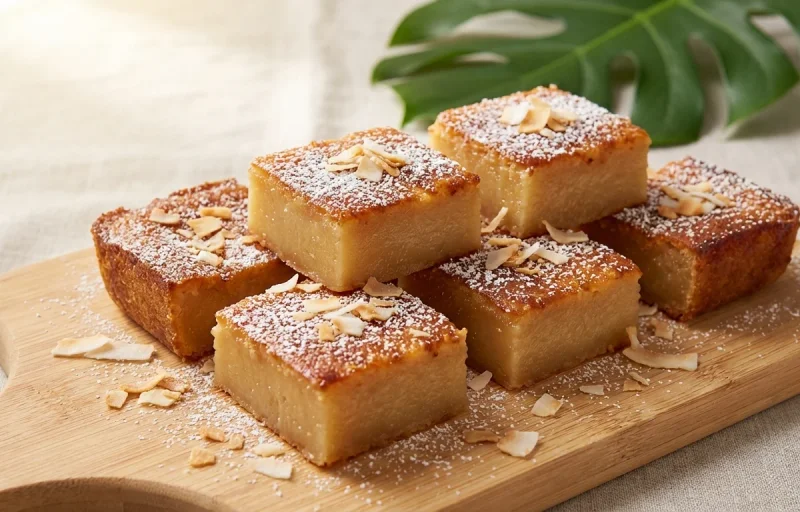
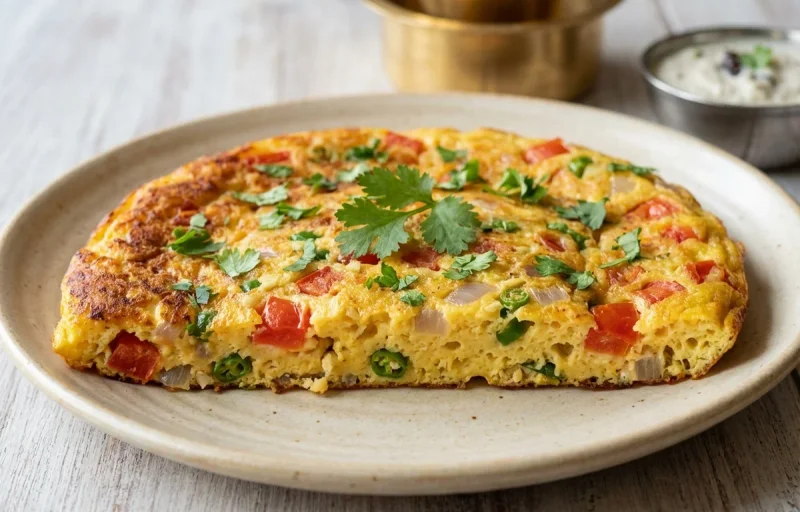
Grain10 recipes
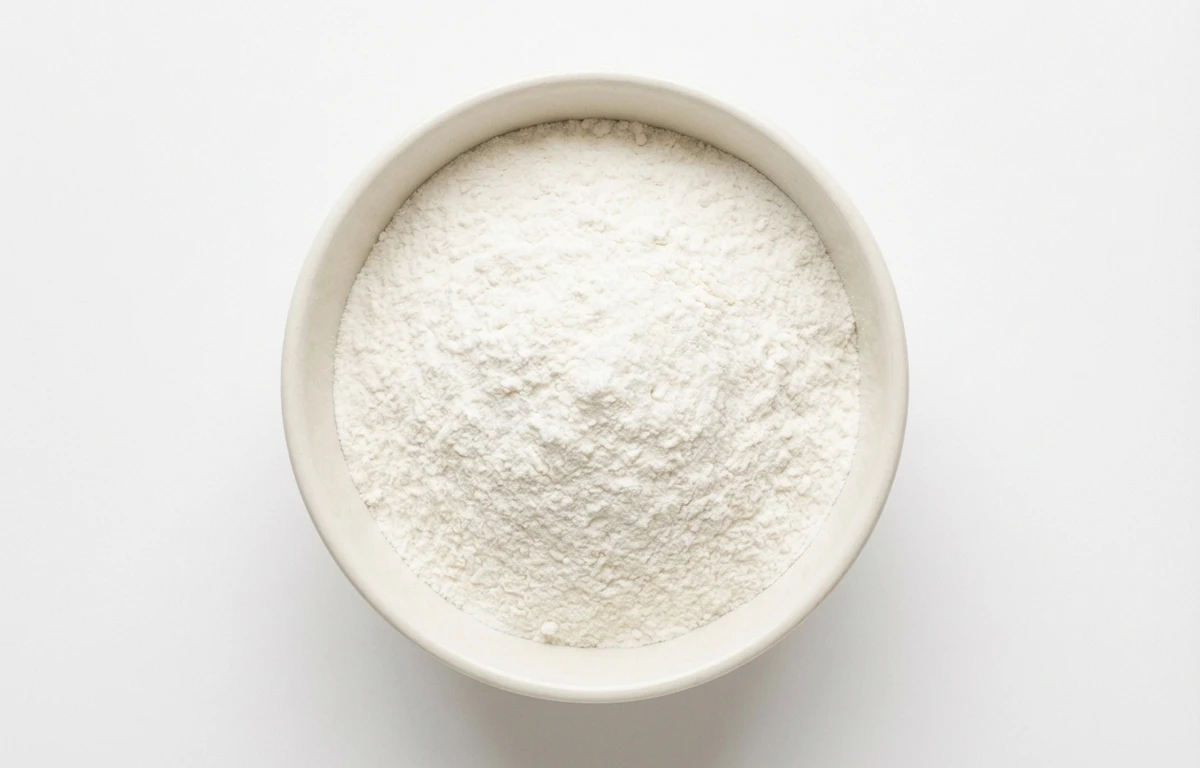
rice flour.
VegetarianVeganGluten-freeDairy-freeNut-freePeanut-freeSoy-freeEgg-freeShellfish-freeHoney-freeAlcohol-free
ALSO KNOWN AS
chawal ka attarice powder
SERVING
CALORIES
363
PROTEIN
7.2g
CARBS
76.5g
FAT
2.8g
FIBER
4.6g
This ingredient is flagged as naturally gluten-free. Per 100 g, it provides 1.9 µg of vitamin K.
NUTRITION PROFILE · per 100 g
Everything in this ingredient.
MACRONUTRIENTS
Calories363kcal—
Protein7.2g14%
Carbohydrates76.5g28%
Fiber4.6g16%
Sugar0.66g1%
Total fat2.8g4%
Saturated fat0.56g3%
Cholesterol0mg0%
Water12g—
MINERALS
Sodium8.0mg0%
Potassium289mg6%
Calcium11mg1%
Iron2.0mg11%
Magnesium25mg6%
Phosphorus115mg9%
Zinc1.1mg10%
Copper0.10mg11%
Manganese0.40mg17%
Selenium2.5µg5%
VITAMINS
Vitamin A0µg0%
Vitamin C0mg0%
Vitamin D0µg0%
Vitamin E0.10mg1%
Vitamin K1.9µg2%
Thiamin (B1)0.10mg8%
Riboflavin (B2)0.03mg2%
Niacin (B3)1.6mg10%
Pantothenic acid (B5)0.60mg12%
Vitamin B60.20mg12%
Folate (B9)20µg5%
Vitamin B120µg0%
%DV based on a 2,000 cal diet. Source: USDA FoodData Central. A dash in the %DV column means there’s no established Daily Value for that nutrient.
MEASUREMENT CONVERSIONS
How much is what.
1 cup156g
1 tablespoon9g
1 teaspoon3g
1 ml0.7g
1 liter600g
HEALTH BENEFITS
Why eat it.
- ✓Provides a source of quick energy due to its high carbohydrate content, primarily from starch.
- ✓Contains choline, a nutrient that supports liver function, brain development, and metabolism.
COOKING TIPS
In the kitchen.
- 1Use as a thickening agent for soups, sauces, and gravies; it creates a smooth, glossy finish and is less likely to clump than wheat flour.
- 2In gluten-free baking, blend it with other flours like tapioca starch or potato starch to improve texture and prevent a gritty mouthfeel. A binder like xanthan gum is often necessary.
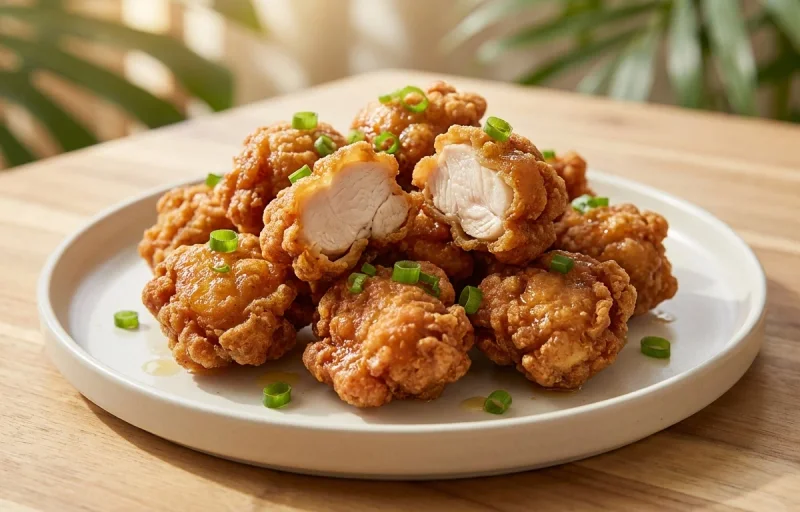
- 3Create a light and crispy batter for frying foods like tempura, fish, or chicken.
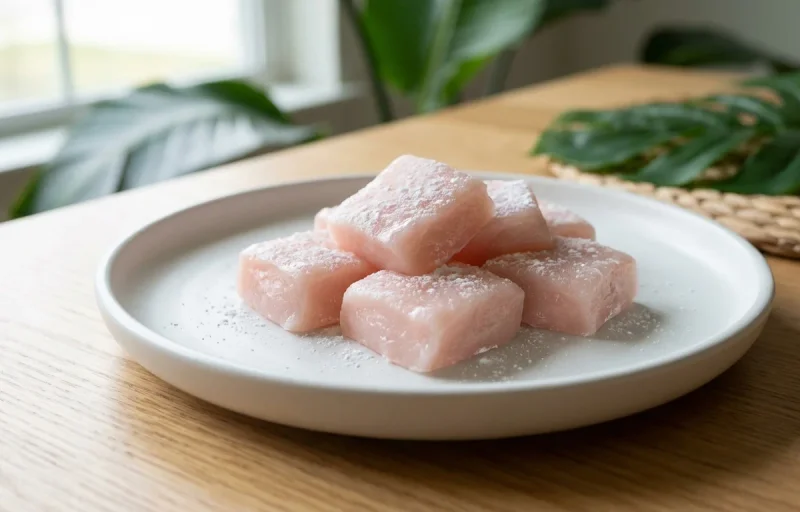
- 4It is the primary ingredient for many Asian dishes, including rice noodles, mochi (Japanese rice cakes), and various desserts.
STORAGE
Keep it fresh.
- Store in a sealed, airtight container in a cool, dark, and dry place like a pantry. White rice flour can last for up to a year.
- Brown rice flour has a higher oil content and should be stored in the refrigerator or freezer to prevent it from going rancid, extending its shelf life to about 6 months.
FAQ
Frequently asked questions.
Is rice flour healthy?
Rice flour is a healthy, gluten-free alternative to wheat flour that provides essential nutrients like choline for liver and brain health. While it is high in energy-providing carbohydrates, it is low in fat and contains a modest amount of protein. For maximum health benefits, brown rice flour is preferred as it contains more fiber and minerals.
How many calories and carbs are in rice flour?
Rice flour is a calorie-dense ingredient, containing approximately 363 calories and 76.48g of carbohydrates per 100g. Most of these carbs come from starch, providing a source of quick energy for the body.
Is rice flour keto-friendly?
No, rice flour is not keto-friendly. With over 76g of carbohydrates per 100g, it is too high in starch for a low-carb or ketogenic diet, which typically requires flour alternatives like almond or coconut flour.
What does rice flour taste like?
Rice flour has a very neutral, mild flavor that easily adopts the taste of other ingredients in a recipe. White rice flour is almost tasteless, while brown rice flour has a slightly nuttier, earthier undertone.
Can I substitute all-purpose flour with rice flour?
You can substitute it, but usually not in a 1:1 ratio for yeast-leavened breads because rice flour lacks gluten for elasticity. For cookies, pancakes, or as a thickener, it works well, though you may need to add a binding agent like xanthan gum for better structure in baked goods.
What is rice flour used for in cooking?
It is commonly used as a thickening agent for soups and stews because it stays stable when refrigerated or frozen. It is also the primary ingredient for rice noodles, gluten-free baked goods, and tempura batter, where it creates a signature light and crispy texture.
What is the difference between white and brown rice flour?
White rice flour is made from rice grains with the bran and germ removed, resulting in a finer texture and longer shelf life. Brown rice flour includes the entire grain, offering more dietary fiber, a nuttier flavor, and a slightly grittier texture.
RECIPES
Cook with rice flour.
10 recipes · sorted by what’s quick