
Vegetable10 recipes
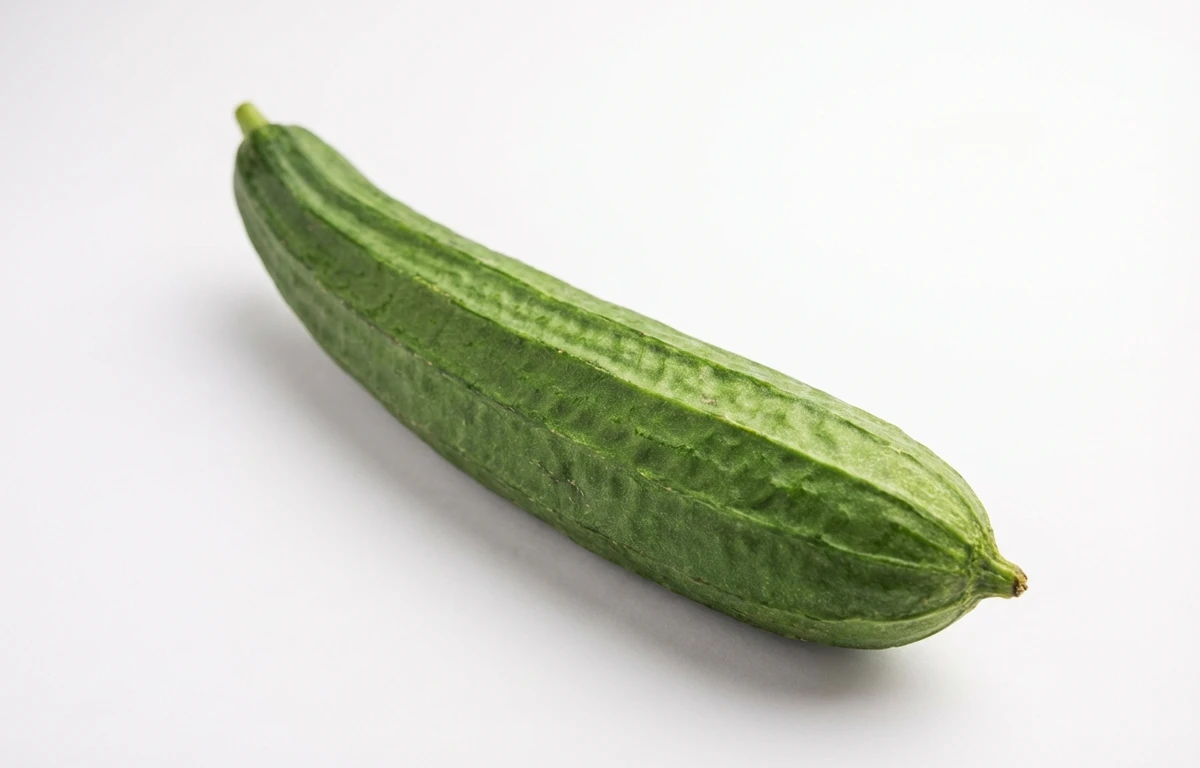
ridge gourd.
VegetarianVeganGluten-freeDairy-freeNut-freePeanut-freeSoy-freeEgg-freeShellfish-freeHoney-freeAlcohol-free
ALSO KNOWN AS
turitorailuffa gourdChinese okra
SERVING
CALORIES
17
PROTEIN
0.60g
CARBS
3.6g
FAT
0.10g
FIBER
1.5g
This ingredient is flagged as naturally gluten-free. Per 100 g, it provides 11.2 µg of vitamin K.
NUTRITION PROFILE · per 100 g
Everything in this ingredient.
MACRONUTRIENTS
Calories17kcal—
Protein0.60g1%
Carbohydrates3.6g1%
Fiber1.5g5%
Sugar1.6g3%
Total fat0.10g0%
Saturated fat0.03g0%
Trans fat0g—
Cholesterol0mg0%
Water94.5g—
MINERALS
Sodium5.0mg0%
Potassium110mg2%
Calcium19mg1%
Iron0.30mg2%
Magnesium16.1mg4%
Phosphorus33.1mg3%
Zinc0.22mg2%
Copper0.10mg11%
Manganese0.11mg5%
Selenium0.59µg1%
VITAMINS
Vitamin A30µg3%
Vitamin C4.9mg5%
Vitamin D0µg0%
Vitamin E0.02mg0%
Vitamin K11.2µg9%
Thiamin (B1)0.02mg2%
Riboflavin (B2)0.01mg1%
Niacin (B3)0.20mg1%
Pantothenic acid (B5)0.28mg6%
Vitamin B60.07mg4%
Biotin (B7)2.3µg8%
Folate (B9)29.3µg7%
Vitamin B120µg0%
%DV based on a 2,000 cal diet. Source: USDA FoodData Central. A dash in the %DV column means there’s no established Daily Value for that nutrient.
MEASUREMENT CONVERSIONS
How much is what.
1 cup130g
1 tablespoon8.1g
1 teaspoon2.7g
1 ml0.5g
1 liter541.7g
HEALTH BENEFITS
Why eat it.
- ✓High in dietary fiber, which aids digestion and promotes gut health.
- ✓Rich in water content (over 90%), making it excellent for hydration.
COOKING TIPS
In the kitchen.
- 1Use a peeler to remove the hard, sharp ridges along its length before chopping. The rest of the thin green skin is edible.
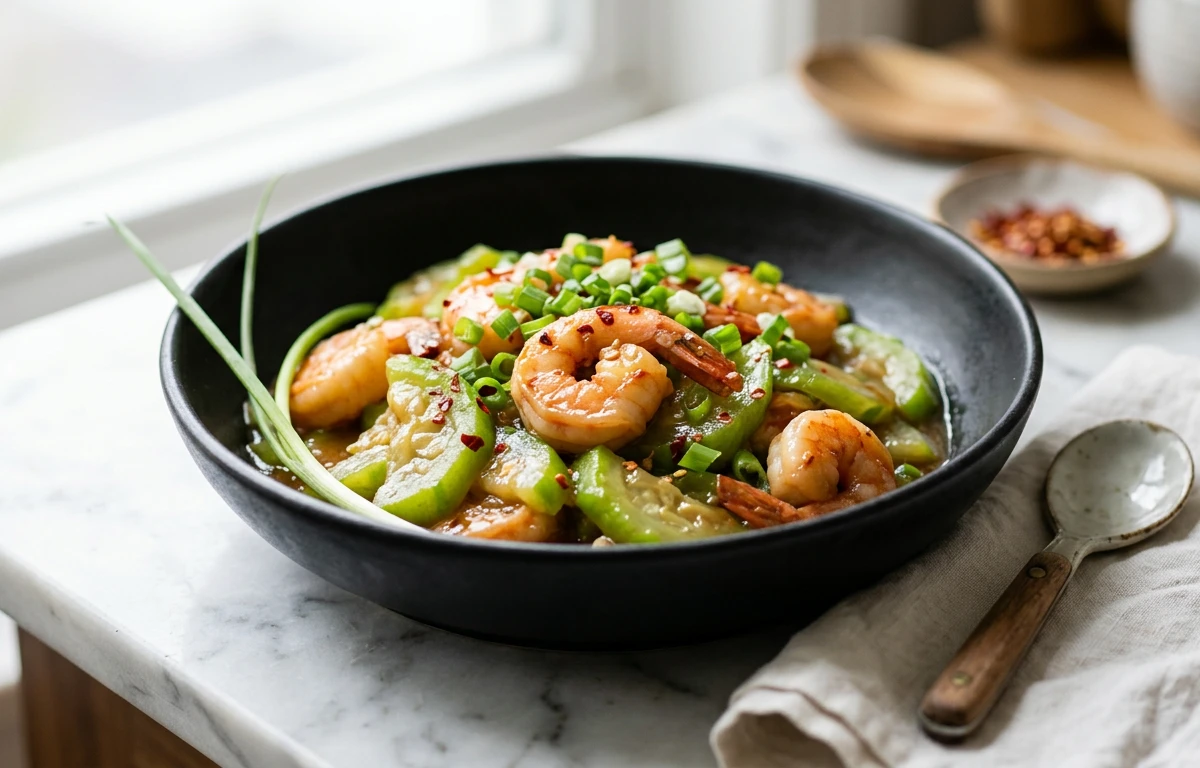
- 2Ridge gourd has a spongy texture that readily absorbs flavors, making it ideal for curries, stews, and stir-fries with aromatic spices.
- 3It cooks very quickly due to its high water content. Sauté or steam for just a few minutes until tender-crisp to avoid it becoming mushy.
- 4Pairs well with lentils (dal), tomatoes, coconut milk, and spices like turmeric, cumin, and mustard seeds.
STORAGE
Keep it fresh.
- Store unwashed ridge gourd in the refrigerator's crisper drawer for up to 4-5 days.
- Keep it in a perforated plastic bag to maintain humidity without causing it to become slimy.
- Avoid storing it near ethylene-producing fruits like apples or bananas to prevent rapid ripening and spoilage.
FAQ
Frequently asked questions.
Is ridge gourd healthy?
Yes, ridge gourd is highly nutritious and low in calories. It is rich in dietary fiber, Vitamin C, Vitamin A, and iron, which help support digestion, immunity, and overall health.
Is ridge gourd keto-friendly?
Yes, ridge gourd is keto-friendly as it contains only about 3.6g of carbohydrates per 100g. It is a low-carb vegetable that can be easily incorporated into a ketogenic or low-carb diet.
How do you prepare ridge gourd for cooking?
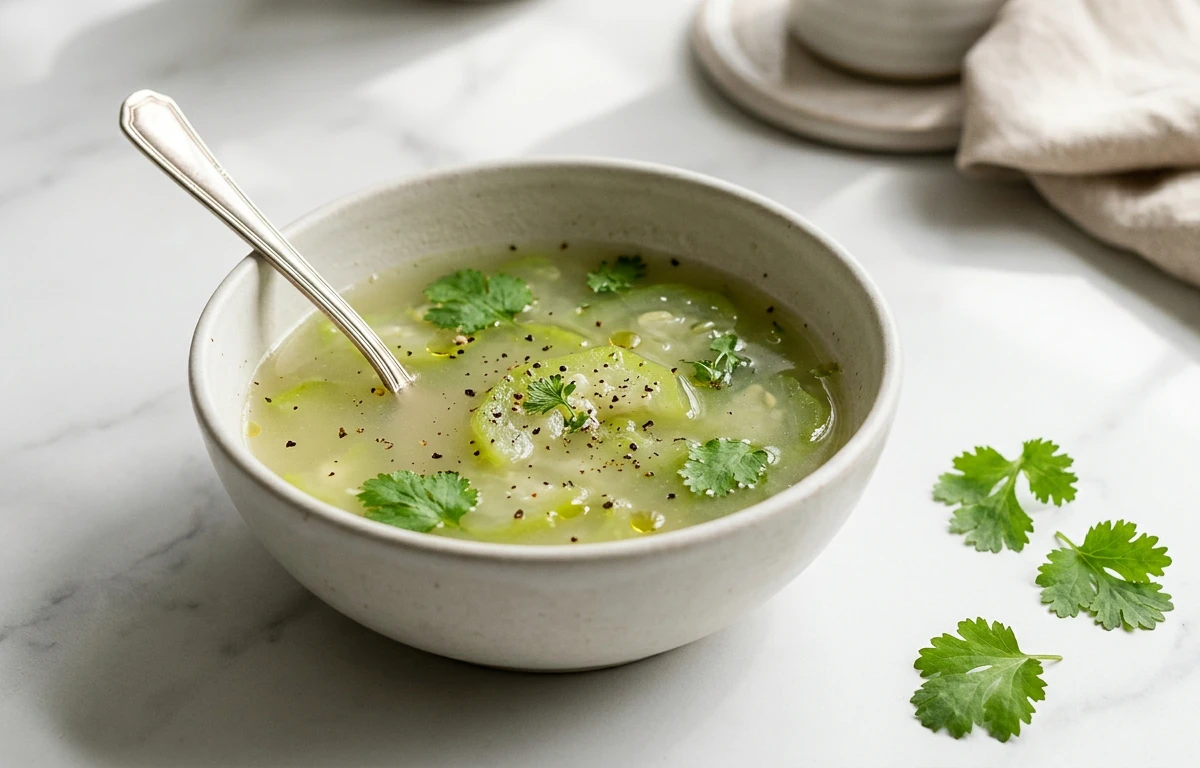
Start by washing the gourd and trimming the ends. Use a peeler to remove the sharp, woody ridges; you can peel it completely or leave some skin for texture. Slice or cube the flesh for use in stir-fries, curries, or soups.
What does ridge gourd taste like?
Ridge gourd has a mild, slightly sweet, and earthy flavor similar to zucchini or cucumber. Its spongy texture is excellent at absorbing the flavors of spices and sauces during the cooking process.
Do you need to peel ridge gourd?
You should at least peel the hard, prominent ridges as they are tough and fibrous. While the rest of the skin is edible, many people prefer to peel it entirely for a softer, more uniform texture in cooked dishes.
How can you tell if ridge gourd is fresh or spoiled?
Fresh ridge gourd should be firm to the touch and have a bright green color without soft spots. If the gourd feels limp, rubbery, or shows dark, slimy patches and a sour smell, it has likely spoiled.
Can you eat ridge gourd raw?
While very young and tender ridge gourd can be eaten raw in salads, it is almost always consumed cooked. Cooking softens its fibrous structure and enhances its mild flavor, making it much easier to digest.
RECIPES
Cook with ridge gourd.
10 recipes · sorted by what’s quick
.webp)
.webp)
.webp)
.webp)
RELATED GUIDES



















