Grain7 recipes
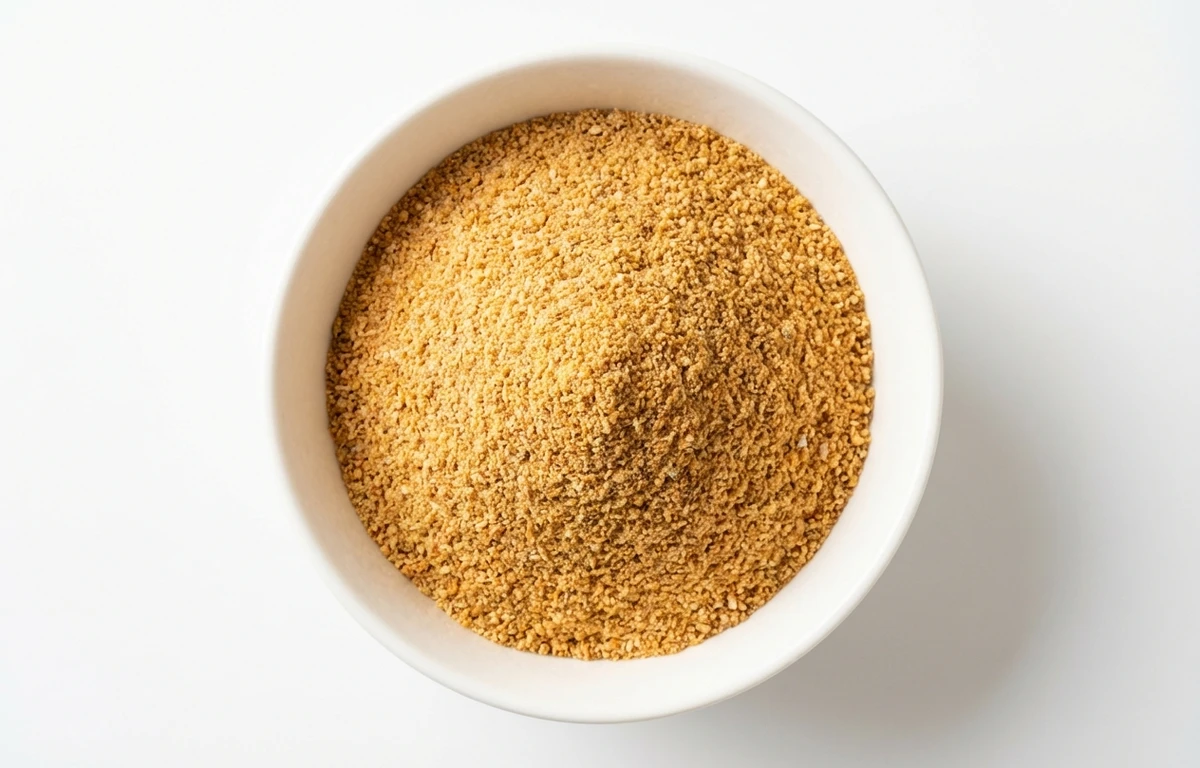
roasted rice flour.
VegetarianVeganGluten-freeDairy-freeNut-freePeanut-freeSoy-freeEgg-freeShellfish-freeHoney-freeAlcohol-free
ALSO KNOWN AS
bhuna chawal attaroasted rice powderkhao khua
SERVING
CALORIES
366
PROTEIN
6.0g
CARBS
79.9g
FAT
1.3g
FIBER
2.4g
NUTRITION PROFILE · per 100 g
Everything in this ingredient.
MACRONUTRIENTS
Calories366kcal—
Protein6.0g12%
Carbohydrates79.9g29%
Fiber2.4g9%
Sugar0.10g0%
Total fat1.3g2%
Saturated fat0.28g1%
Cholesterol0mg0%
Water11.2g—
MINERALS
Sodium3.0mg0%
Potassium76mg2%
Calcium10mg1%
Iron0.80mg4%
Magnesium35mg8%
Phosphorus98mg8%
Zinc0.80mg7%
VITAMINS
Vitamin A0µg0%
Vitamin C0mg0%
Vitamin D0µg0%
Vitamin K1.0µg1%
Thiamin (B1)2.0mg167%
Riboflavin (B2)0.02mg2%
Niacin (B3)2.6mg16%
Vitamin B60.44mg26%
%DV based on a 2,000 cal diet. Source: USDA FoodData Central. A dash in the %DV column means there’s no established Daily Value for that nutrient.
MEASUREMENT CONVERSIONS
How much is what.
1 cup120g
1 tablespoon7.5g
1 teaspoon2.5g
1 ml0.5g
1 liter500g
HEALTH BENEFITS
Why eat it.
- ✓Excellent gluten-free alternative for baking and cooking, suitable for individuals with celiac disease or gluten sensitivity.
- ✓Provides a source of complex carbohydrates for sustained energy release.
- ✓Easily digestible, making it a good option for those with sensitive digestive systems.
- ✓Contains manganese, an essential mineral important for bone health, metabolism, and antioxidant function.
COOKING TIPS
In the kitchen.
- 1Use as a thickening agent for sauces, soups, and gravies; its roasted flavor adds more depth than regular rice flour.
- 2Incorporate into gluten-free baking blends for cookies, breads, and cakes to impart a nutty flavor and tender texture.
- 3A key ingredient in Southeast Asian cuisine, known as 'khao khua' in Thai and Lao cooking, used to add a toasty aroma and texture to salads like larb and nam tok.
- 4To avoid lumps when thickening, create a slurry by mixing the roasted rice flour with a small amount of cold liquid before adding it to a hot dish.
STORAGE
Keep it fresh.
- Store in a sealed, airtight container in a cool, dark, and dry place, such as a pantry, to prevent moisture and pests.
- For long-term storage (beyond 6 months), place the container in the refrigerator or freezer to maintain freshness and prevent the oils from going rancid.
FAQ
Frequently asked questions.
Is roasted rice flour healthy?
Yes, roasted rice flour is a healthy, gluten-free energy source. It provides complex carbohydrates for sustained energy, is easily digestible for those with sensitive stomachs, and contains manganese, which supports bone health and metabolism.
How many calories and carbs are in roasted rice flour?
A 100g serving of roasted rice flour contains approximately 366 calories and 79.9g of carbohydrates. It is a high-energy food with a low fat content of about 1.28g and 6.05g of protein.
Is roasted rice flour gluten-free?
Yes, roasted rice flour is naturally gluten-free. This makes it an excellent alternative to wheat flour for individuals with celiac disease, gluten intolerance, or those following a gluten-free lifestyle.
What is the difference between regular rice flour and roasted rice flour?
Roasting rice flour changes its flavor profile to be nuttier and more aromatic. The process also alters the starch structure, which can make it easier to digest and gives it a distinct texture often preferred in traditional snacks and sweets.
Is roasted rice flour keto-friendly?
No, roasted rice flour is not keto-friendly. Because it contains nearly 80g of carbohydrates per 100g, it is too high in carbs for a standard ketogenic diet which requires very low carbohydrate intake.
How do you use roasted rice flour in cooking?
It is widely used in South Indian snacks like Murukku and Seedai, and as a base for gluten-free porridges. It can also be used as a thickening agent for soups and stews or mixed into gluten-free baking blends for a toasted flavor.
What does roasted rice flour taste like?
Roasted rice flour has a warm, toasted, and nutty flavor compared to the neutral taste of raw rice flour. This aromatic quality adds depth to both savory snacks and traditional desserts.
How should I store roasted rice flour?
Store roasted rice flour in an airtight container in a cool, dry place to protect it from moisture and pests. When stored properly, it typically stays fresh for 3 to 6 months.
Can I make roasted rice flour at home?
Yes, you can make it by dry-roasting regular rice flour in a heavy-bottomed pan over medium-low heat. Stir constantly for several minutes until the flour becomes aromatic and turns a very light golden color, then let it cool completely before storing.
Is roasted rice flour good for weight loss?
While it is very low in fat, roasted rice flour is calorie-dense and high in carbohydrates. It can be part of a weight loss plan when used in moderation as a source of complex carbs, but portion control is important.
RECIPES
Cook with roasted rice flour.
7 recipes · sorted by what’s quick