Condiment6 recipes
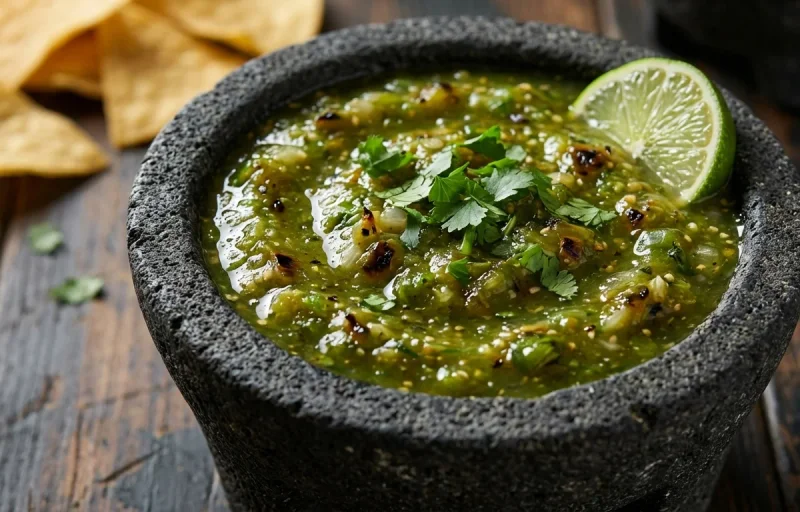
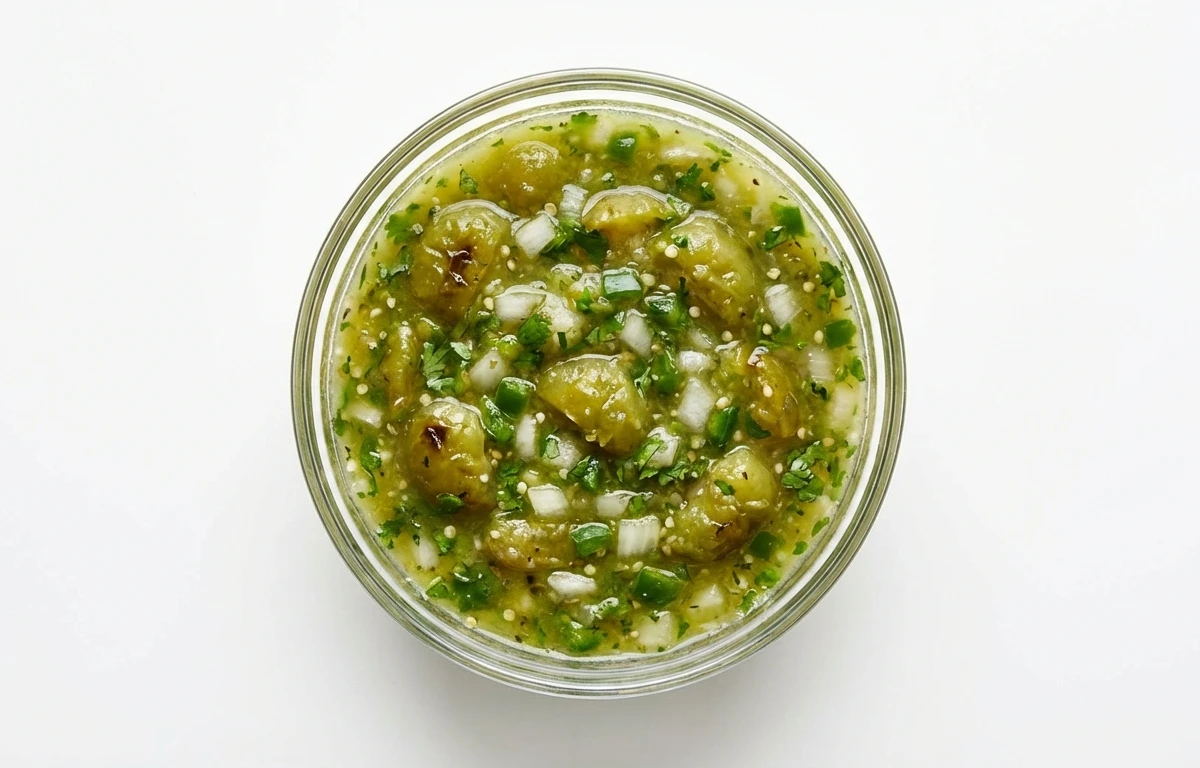
salsa verde.
VegetarianVeganGluten-freeDairy-freeNut-freePeanut-freeSoy-freeEgg-freeShellfish-freeHoney-freeAlcohol-free
ALSO KNOWN AS
tomatillo salsagreen salsa
SERVING
CALORIES
35
PROTEIN
1.5g
CARBS
6.5g
FAT
0.50g
FIBER
1.8g
NUTRITION PROFILE · per 100 g
Everything in this ingredient.
MACRONUTRIENTS
Calories35kcal—
Protein1.5g3%
Carbohydrates6.5g2%
Fiber1.8g6%
Sugar3.2g6%
Total fat0.50g1%
Saturated fat0.10g1%
Trans fat0g—
Cholesterol0mg0%
Water89g—
MINERALS
Sodium550mg24%
Potassium240mg5%
Calcium12mg1%
Iron0.60mg3%
Magnesium15mg4%
Phosphorus35mg3%
Zinc0.20mg2%
Copper0.08mg9%
Manganese0.15mg7%
Selenium0.50µg1%
VITAMINS
Vitamin A25µg3%
Vitamin C12mg13%
Vitamin D0µg0%
Vitamin E0.80mg5%
Vitamin K8.0µg7%
Thiamin (B1)0.04mg3%
Riboflavin (B2)0.03mg2%
Niacin (B3)1.5mg9%
Pantothenic acid (B5)0.20mg4%
Vitamin B60.10mg6%
Folate (B9)10µg3%
Vitamin B120µg0%
%DV based on a 2,000 cal diet. Source: USDA FoodData Central. A dash in the %DV column means there’s no established Daily Value for that nutrient.
MEASUREMENT CONVERSIONS
How much is what.
1 cup240g
1 tablespoon15g
1 teaspoon5g
1 oz28.4g
1 lb453.6g
1 ml1g
1 liter1000g
HEALTH BENEFITS
Why eat it.
- ✓Low in calories and fat
- ✓Rich in Vitamin C from tomatillos
- ✓Contains capsaicin which may boost metabolism
- ✓Provides dietary fiber for digestive health
- ✓Contains antioxidants like lutein and zeaxanthin
COOKING TIPS
In the kitchen.
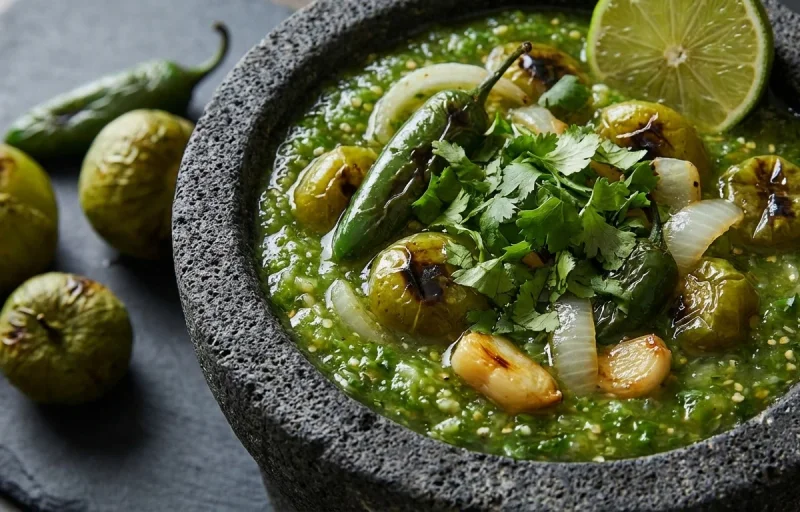
- 1Roast the tomatillos and peppers first for a deeper, smoky flavor
- 2Add fresh cilantro at the very end to maintain its bright color and taste
- 3If the salsa is too acidic, add a tiny pinch of sugar or honey to balance it
STORAGE
Keep it fresh.
- Store in an airtight container in the refrigerator
- Consume within 5 to 7 days for optimal freshness
- Can be frozen for up to 3 months in a freezer-safe container
FAQ
Frequently asked questions.
How long does salsa verde last in the fridge?
Freshly made or opened store-bought salsa verde typically lasts 5 to 7 days when kept in an airtight container in the refrigerator.
Can I freeze salsa verde?
Yes, salsa verde freezes well. Store it in a freezer-safe bag or container for up to 3 months. Thaw in the fridge before using.
What is the difference between salsa verde and salsa roja?
Salsa verde is made with green tomatillos and green chilies, giving it a tart, tangy flavor. Salsa roja is made with red tomatoes and red chilies, resulting in a sweeter, deeper flavor.
How do I make salsa verde less spicy?
To reduce the heat, remove the seeds and membranes from the jalapeños or serrano peppers before blending, or use fewer peppers.
What are the best uses for salsa verde?
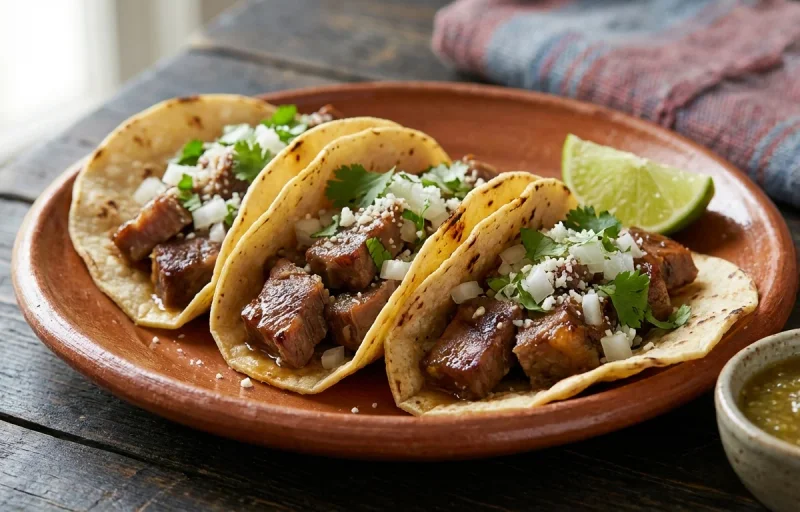
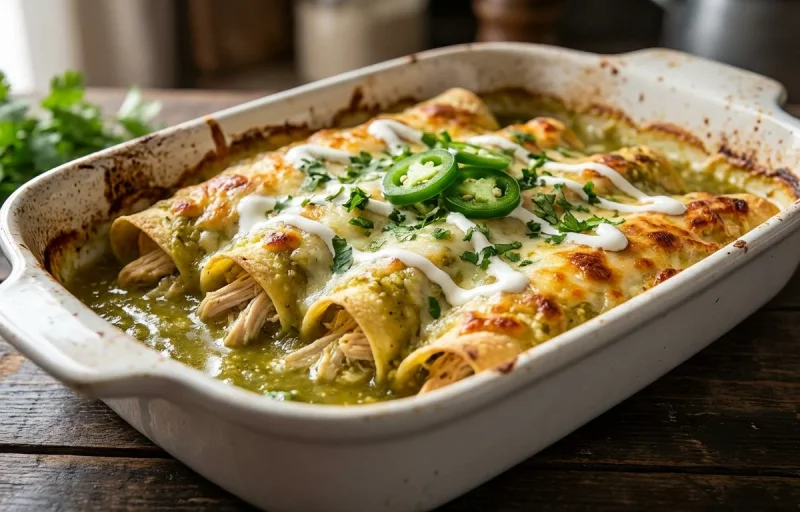
It is excellent on enchiladas (enchiladas suizas), tacos, grilled chicken, fish, or as a dip for tortilla chips.
Is salsa verde healthy?
Yes, it is generally very healthy as it is low in calories, fat-free, and packed with vitamins from fresh vegetables.
Why is my homemade salsa verde bitter?
Bitterness often comes from undercooked tomatillos or using tomatillos that are too small and underripe. Roasting them thoroughly helps develop their natural sugars.
What can I substitute for salsa verde?
A green chili sauce or a mild salsa roja can work, though the flavor profile will change from tangy to sweet/savory.
How do I select the best tomatillos for salsa?
Look for tomatillos that are firm, bright green, and have husks that are intact and not overly shriveled.
Do I need to peel tomatillos?
You must remove the papery husk and wash off the sticky residue on the skin before cooking or blending them.
RECIPES
Cook with salsa verde.
6 recipes · sorted by what’s quick