seafood1 recipes
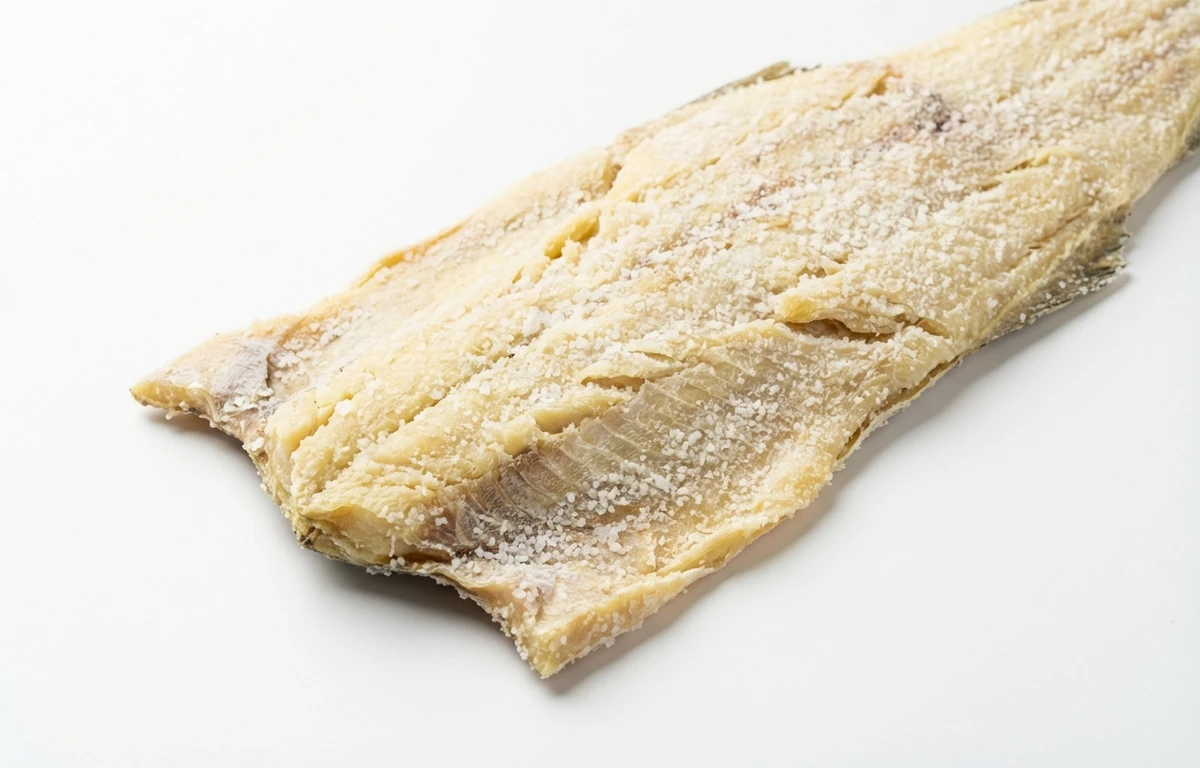
salt cod.
VegetarianVeganGluten-freeDairy-freeNut-freePeanut-freeSoy-freeEgg-freeShellfish-freeHoney-freeAlcohol-free
ALSO KNOWN AS
bacalaosalted codbacalhaumorue saléedried salted codsaltfish
SERVING
CALORIES
290
PROTEIN
62.8g
CARBS
0g
FAT
2.4g
FIBER
0g
NUTRITION PROFILE · per 100 g
Everything in this ingredient.
MACRONUTRIENTS
Calories290kcal—
Protein62.8g126%
Carbohydrates0g0%
Fiber0g0%
Sugar0g0%
Total fat2.4g3%
Saturated fat0.50g3%
Trans fat0g—
Cholesterol152mg51%
Water16.1g—
MINERALS
Sodium7027mg306%
Potassium1458mg31%
Calcium160mg12%
Iron2.5mg14%
Magnesium133mg32%
Phosphorus950mg76%
Zinc1.6mg15%
Copper0.10mg11%
Manganese0.05mg2%
Selenium140µg255%
VITAMINS
Vitamin A40µg4%
Vitamin C0mg0%
Vitamin D4.1µg21%
Vitamin E0.80mg5%
Vitamin K0.40µg0%
Thiamin (B1)0.20mg17%
Riboflavin (B2)0.20mg15%
Niacin (B3)7.5mg47%
Pantothenic acid (B5)0.60mg12%
Vitamin B60.50mg29%
Folate (B9)25µg6%
Vitamin B1210µg417%
%DV based on a 2,000 cal diet. Source: USDA FoodData Central. A dash in the %DV column means there’s no established Daily Value for that nutrient.
MEASUREMENT CONVERSIONS
How much is what.
1 oz28.4g
1 lb453.6g
1 piece200g
HEALTH BENEFITS
Why eat it.
- ✓Extremely high protein content for muscle repair
- ✓Excellent source of Vitamin B12 for nerve health
- ✓Rich in Selenium, a powerful antioxidant
- ✓Low in total fat and calories once rehydrated
- ✓Provides essential Omega-3 fatty acids
COOKING TIPS
In the kitchen.
- 1Must be soaked in cold water for 24-48 hours, changing water every 8 hours
- 2Always soak with the skin side up to allow salt to fall away
- 3Do not boil vigorously; simmer gently to prevent the fish from becoming tough
STORAGE
Keep it fresh.
- Store in a cool, dry, well-ventilated place for up to 6 months
- Keep in the refrigerator wrapped in paper and then plastic to contain odor
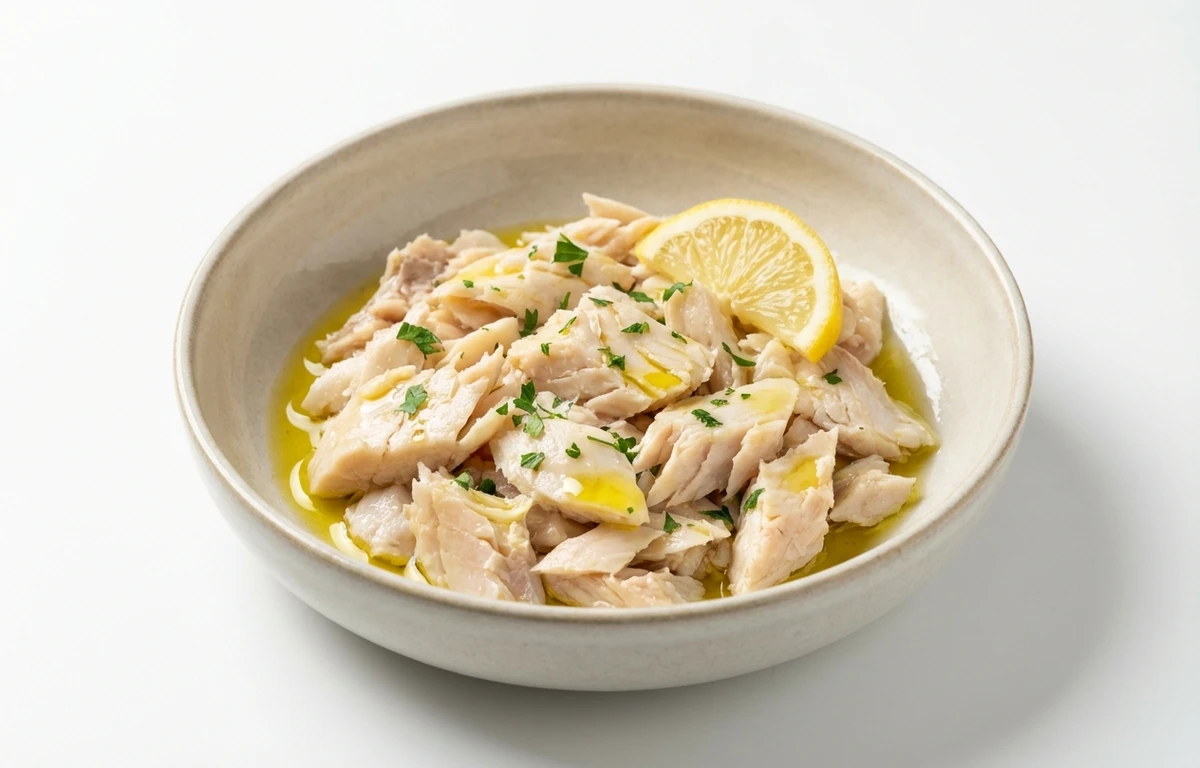
- Once soaked and rehydrated, use within 2 days or freeze
FAQ
Frequently asked questions.
How long does salt cod last?
Unopened and kept in a cool, dry place, it can last 6-12 months. In the fridge, it lasts about 6 months.
Why do I need to soak salt cod?
Soaking is essential to remove the excess salt used for preservation and to rehydrate the fish to its original texture.
Can I use fresh cod instead of salt cod?
You can, but the flavor and texture will be completely different. Salt cod has a firmer, 'meatier' texture and a more concentrated savory flavor.
How do I know if salt cod has gone bad?
Look for deep yellowing, slimy patches, or a very pungent, sour ammonia-like smell. It should smell like salty sea air.
Is salt cod healthy despite the salt?
It is very healthy in terms of protein and vitamins, but the sodium content remains high even after soaking. It should be consumed in moderation by those with hypertension.
Can I freeze salt cod?
Yes, you can freeze it in its dry state or after it has been soaked and drained. It freezes very well for up to 3 months.
What are common dishes made with salt cod?
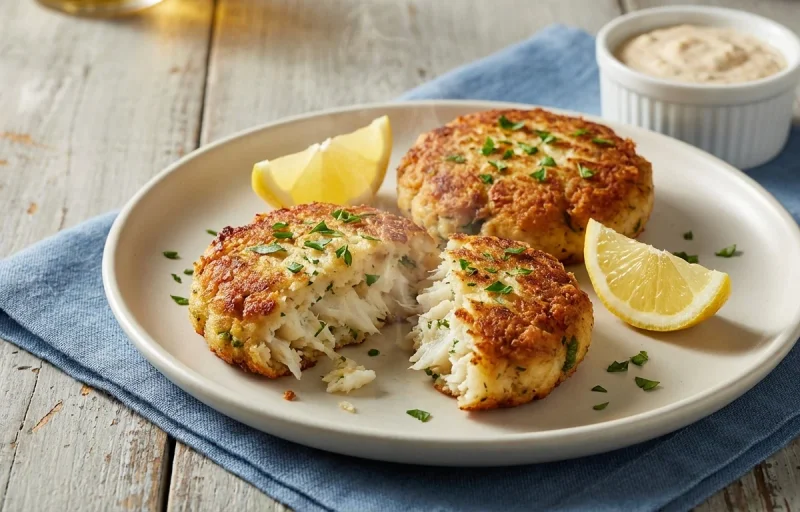
Popular dishes include Portuguese Bacalhau à Brás, Spanish Bacalao a la Vizcaína, French Brandade, and Caribbean Saltfish Fritters.
How do I pick the best quality salt cod?
Look for thick fillets that are white to light cream in color. Avoid pieces that are very thin, yellowed, or have brown spots.
Do I need to remove the skin?
It is usually easier to remove the skin after the first few hours of soaking or after a brief blanching, though some recipes cook it with the skin on for flavor.
RECIPES
Cook with salt cod.
1 recipes · sorted by what’s quick