Other
scrod.
VegetarianVeganGluten-freeDairy-freeNut-freePeanut-freeSoy-freeEgg-freeShellfish-freeHoney-freeAlcohol-free
ALSO KNOWN AS
atlantic codfresh codraw cod filletgadus morhuascrodraw atlantic cod
SERVING
CALORIES
82
PROTEIN
17.9g
CARBS
0g
FAT
0.67g
FIBER
0g
This ingredient is flagged as naturally gluten-free. Per 100 g, it provides 0.10 µg of vitamin K.
NUTRITION PROFILE · per 100 g
Everything in this ingredient.
MACRONUTRIENTS
Calories82kcal—
Protein17.9g36%
Carbohydrates0g0%
Fiber0g0%
Sugar0g0%
Total fat0.67g1%
Saturated fat0.11g1%
Cholesterol43mg14%
MINERALS
Sodium54mg2%
Potassium413mg9%
Calcium16mg1%
Iron0.37mg2%
Magnesium32mg8%
Phosphorus203mg16%
Zinc0.43mg4%
Copper0.02mg2%
Manganese0.01mg0%
Selenium33.7µg61%
VITAMINS
Vitamin A13µg1%
Vitamin C0mg0%
Vitamin D1.0µg5%
Vitamin E0.30mg2%
Vitamin K0.10µg0%
Thiamin (B1)0.07mg6%
Riboflavin (B2)0.06mg5%
Niacin (B3)2.1mg13%
Pantothenic acid (B5)0.25mg5%
Vitamin B60.25mg15%
Folate (B9)7.0µg2%
Vitamin B120.91µg38%
%DV based on a 2,000 cal diet. Source: USDA FoodData Central. A dash in the %DV column means there’s no established Daily Value for that nutrient.
MEASUREMENT CONVERSIONS
How much is what.
1 cup140g
1 tablespoon8.8g
1 teaspoon2.9g
1 oz28.4g
1 lb453.6g
1 ml0.6g
1 liter583.3g
1 piece170g
HEALTH BENEFITS
Why eat it.
- ✓Excellent source of high-quality, lean protein, essential for muscle building and repair.
- ✓Rich in B vitamins, particularly B12 and niacin, which support energy metabolism and nervous system health.
COOKING TIPS
In the kitchen.
- 1Scrod's delicate, flaky texture is best suited for gentle cooking methods like baking, broiling, or poaching to prevent it from falling apart.
- 2To keep the lean fish moist, brush it with olive oil or melted butter before cooking and season with herbs like dill, parsley, and lemon.
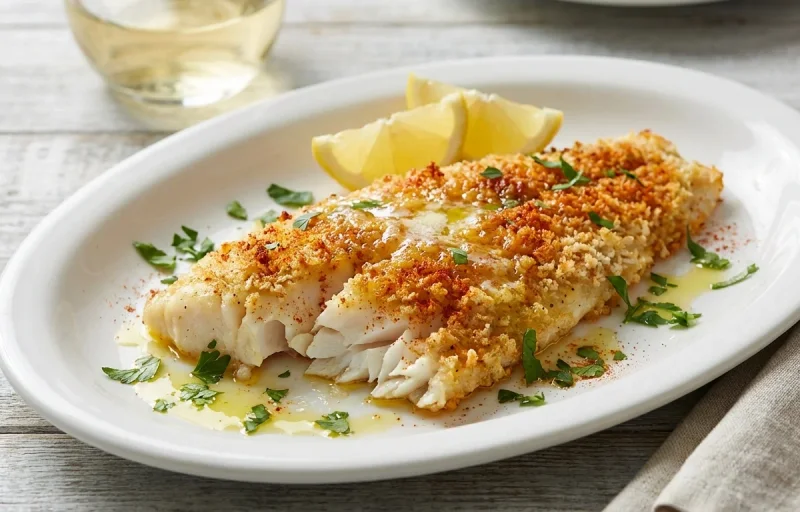
- 3A classic preparation involves topping the fillet with buttered breadcrumbs and baking until the fish is opaque and flakes easily with a fork.
- 4Cook until the internal temperature reaches 145°F (63°C). Overcooking will result in a dry texture.
STORAGE
Keep it fresh.
- Store fresh scrod in the coldest part of the refrigerator (below 40°F or 4°C) and consume within 1-2 days of purchase.
- For freezing, wrap fillets tightly in plastic wrap and then in aluminum foil or a freezer bag. It can be stored at 0°F (-18°C) for up to 6 months.
FAQ
Frequently asked questions.
What exactly is scrod?
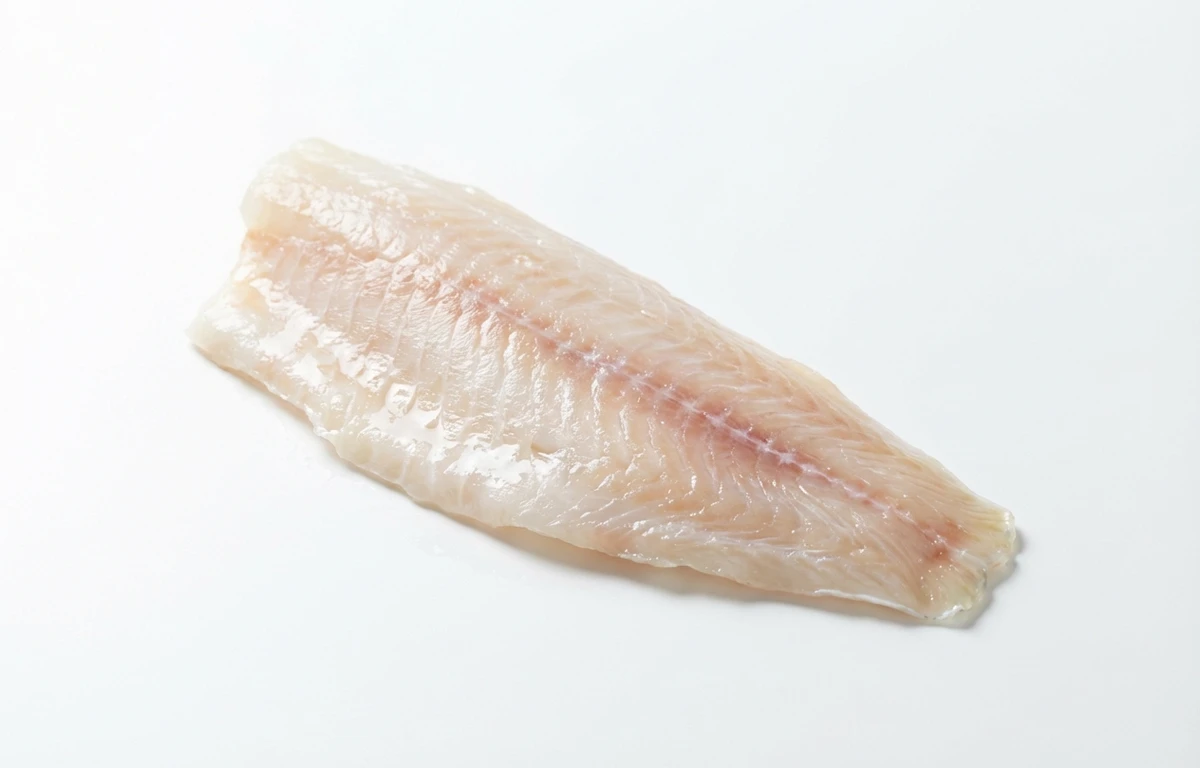
Scrod is not a specific species of fish but a culinary term used primarily in New England to describe young Atlantic cod or haddock. It typically refers to small, white-fleshed fish that are fresh and weigh less than 2.5 pounds.
Is scrod healthy?
Yes, scrod is a very healthy, lean white fish. It is low in calories and fat while providing high-quality protein, B vitamins like B12 and niacin, and essential minerals such as selenium and phosphorus.
How much protein is in scrod?
A 100g serving of scrod contains approximately 17.86g of protein. This makes it an excellent source of lean protein for muscle repair and maintenance with very little fat content.
Is scrod keto-friendly?
Yes, scrod is keto-friendly as it contains zero carbohydrates. However, because it is very low in fat, those on a ketogenic diet should prepare it with healthy fats like olive oil, butter, or cream-based sauces to meet their macronutrient goals.
Is scrod gluten-free?
Naturally, scrod is gluten-free. However, it is frequently prepared with breadcrumb toppings or battered and fried, so you must ensure any coatings or sauces used are specifically labeled gluten-free.
What does scrod taste like?
Scrod has a very mild, slightly sweet flavor and a delicate, flaky texture. Because it lacks a strong 'fishy' taste, it is a popular choice for children and those who prefer milder seafood.
How do you cook scrod?
Scrod is versatile and can be baked, broiled, pan-seared, or poached. A classic New England preparation involves topping the fillets with lemon, butter, and crushed crackers before baking until the flesh is opaque and flakes easily.
How do you store fresh scrod?
Fresh scrod should be kept in the coldest part of the refrigerator, ideally on a bed of ice, and consumed within 1 to 2 days of purchase. For longer storage, wrap it tightly in plastic wrap and a freezer bag to store for up to 6 months.
How do you know if scrod has gone bad?
Fresh scrod should have a mild, clean scent of the ocean; if it smells strongly of ammonia or has a sour odor, it has spoiled. Other signs include a slimy texture, a yellowish tint, or flesh that feels mushy rather than firm.
RECIPES
Cook with scrod.
0 recipes · sorted by what’s quick