Semiya
Also known as: vermicelli, seviyan, shemai, shavige, sevalu, wheat vermicelli, semiya noodles
Loading...
Also known as: vermicelli, seviyan, shemai, shavige, sevalu, wheat vermicelli, semiya noodles
Per 100g
Nutrition data source: USDA FoodData Central
Common measurement equivalents in grams
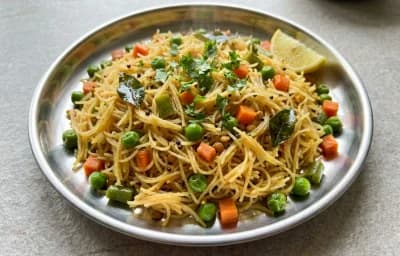
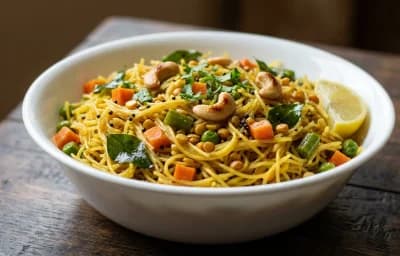
A quick and wholesome South Indian breakfast made with roasted vermicelli, colorful vegetables, and a simple tempering. It's light, flavorful, and comes together in under 30 minutes, perfect for busy mornings.
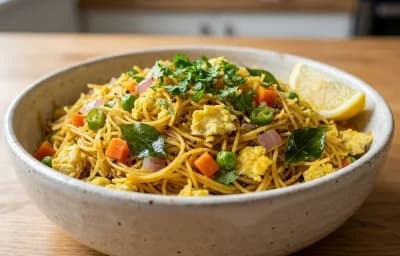
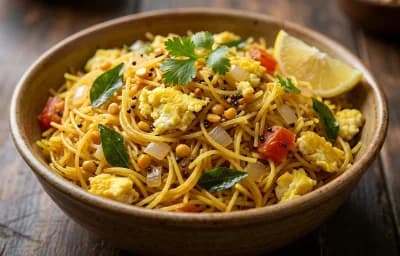
A quick and protein-packed breakfast combining roasted vermicelli with fluffy scrambled eggs and classic South Indian spices. This savory one-pot meal is perfect for busy mornings and is ready in under 30 minutes.

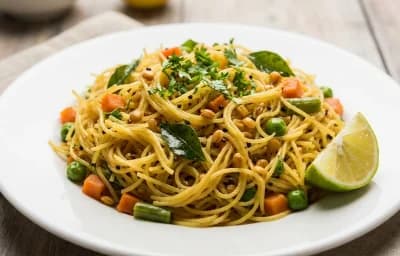
A savory and aromatic vermicelli breakfast dish from Hyderabad, packed with vegetables and fragrant spices like mint. This one-pot meal is perfect for a quick and satisfying breakfast or a light lunch, ready in under 30 minutes.
When stored in an airtight container in a cool, dry place, dry semiya can last for 6 to 12 months.
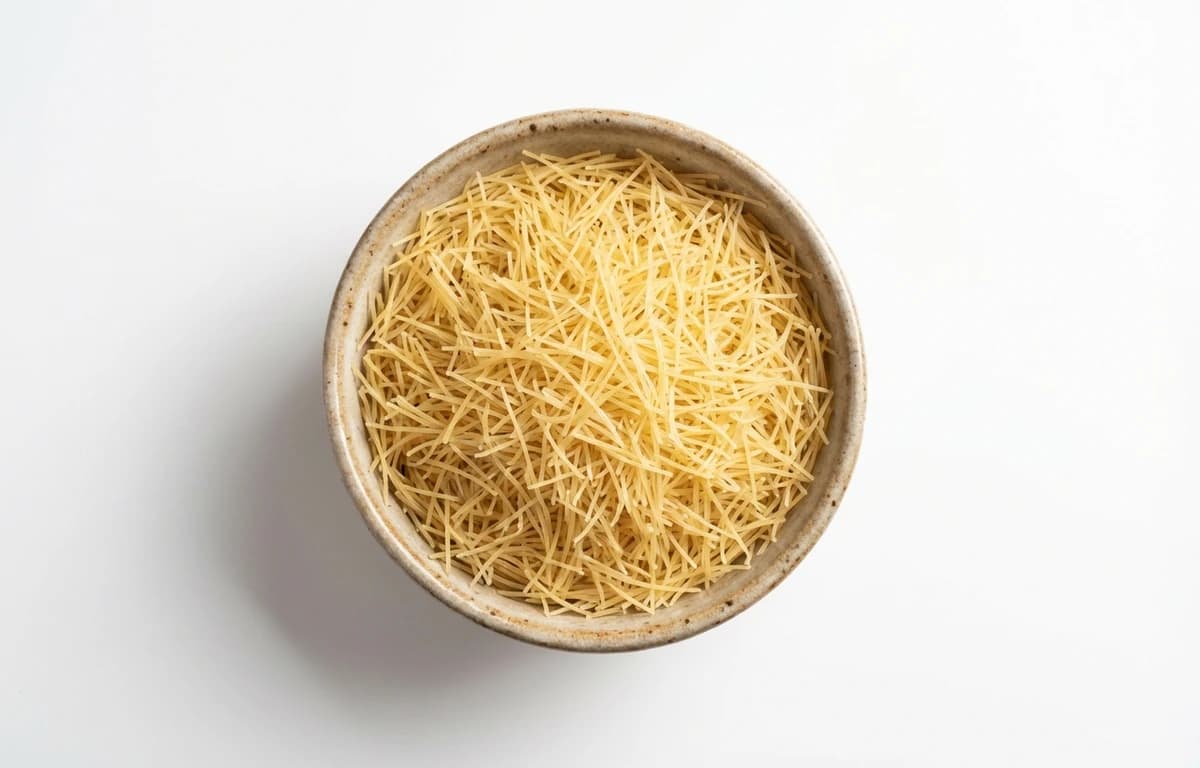
Roasted semiya is more convenient as it saves prep time and prevents clumping during cooking, but unroasted is often cheaper.
Rice vermicelli (for gluten-free), thin spaghetti broken into pieces, or angel hair pasta are the best substitutes.
Standard semiya is made from wheat (maida or semolina) and contains gluten. Look for rice or ragi vermicelli for gluten-free options.
Roast it well before boiling and use a 1:2 ratio of semiya to water. Adding a teaspoon of oil to the boiling water also helps.
Yes, dishes like semiya upma can be frozen for up to a month, though the texture may become slightly softer upon reheating.
It is high in refined carbohydrates. For weight loss, it is best consumed in moderation and loaded with plenty of fiber-rich vegetables.
Common dishes include Semiya Upma (savory breakfast), Semiya Payasam/Kheer (sweet pudding), and Biryani-style semiya.
Check for a musty smell, discoloration, or the presence of small weevils/insects in the package.
Semiya is a versatile ingredient found in cuisines around the world. With 358 calories per 100g and 11.5 grams of protein, it's a nutritious addition to many dishes.
Explore more ingredients in the grain product category with complete nutrition information.
View all grain product →