Loading...
Per 100g
Nutrition data source: USDA FoodData Central
Yes, senai kizhangu (elephant foot yam) is very healthy. It is a nutrient-dense vegetable providing 118 calories per 100g, rich in dietary fiber for digestion and essential minerals like potassium, manganese, and magnesium for heart and bone health.
Yes, senai kizhangu is suitable for diabetics because it has a low glycemic index. This means it releases glucose slowly into the bloodstream, helping to manage blood sugar levels more effectively than high-GI starchy vegetables.
It can be beneficial for weight loss due to its high dietary fiber content, which promotes a feeling of fullness and reduces overall calorie intake. However, because it contains 25g of carbs per 100g, it should be consumed in moderation and prepared with minimal oil.
No, senai kizhangu is not keto-friendly. With 25g of carbohydrates per 100g serving, it is too high in starch for a strict ketogenic diet, which typically limits total daily carb intake to under 50g.
To neutralize the calcium oxalate crystals that cause itching, always boil the yam in water with an acidic agent like tamarind, lemon juice, or buttermilk before cooking. Additionally, apply oil to your hands before cutting the raw vegetable to prevent skin irritation.
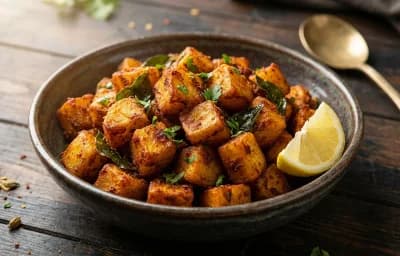
It has a mild, earthy, and slightly nutty flavor. Its texture is dense and starchy, similar to a potato or taro, making it excellent at absorbing the flavors of spices in curries, fries, or masalas.
No, senai kizhangu should never be eaten raw. Raw yam contains high levels of calcium oxalate, which can cause intense itching and irritation in the mouth and throat. Thorough cooking is required to make it safe and palatable.
senai kizhangu is a versatile ingredient found in cuisines around the world. With 118 calories per 100g and 1.5 grams of protein, it's a nutritious addition to many dishes.
Explore more ingredients in the vegetable category with complete nutrition information.
View all vegetable →Discover 0 recipes featuring senai kizhangu with step-by-step instructions.
Browse recipes →Whole, unpeeled yams should be stored in a cool, dry, and dark place with good ventilation. Once cut, the exposed surface should be wrapped tightly or stored in an airtight container in the refrigerator and used within 2-3 days.
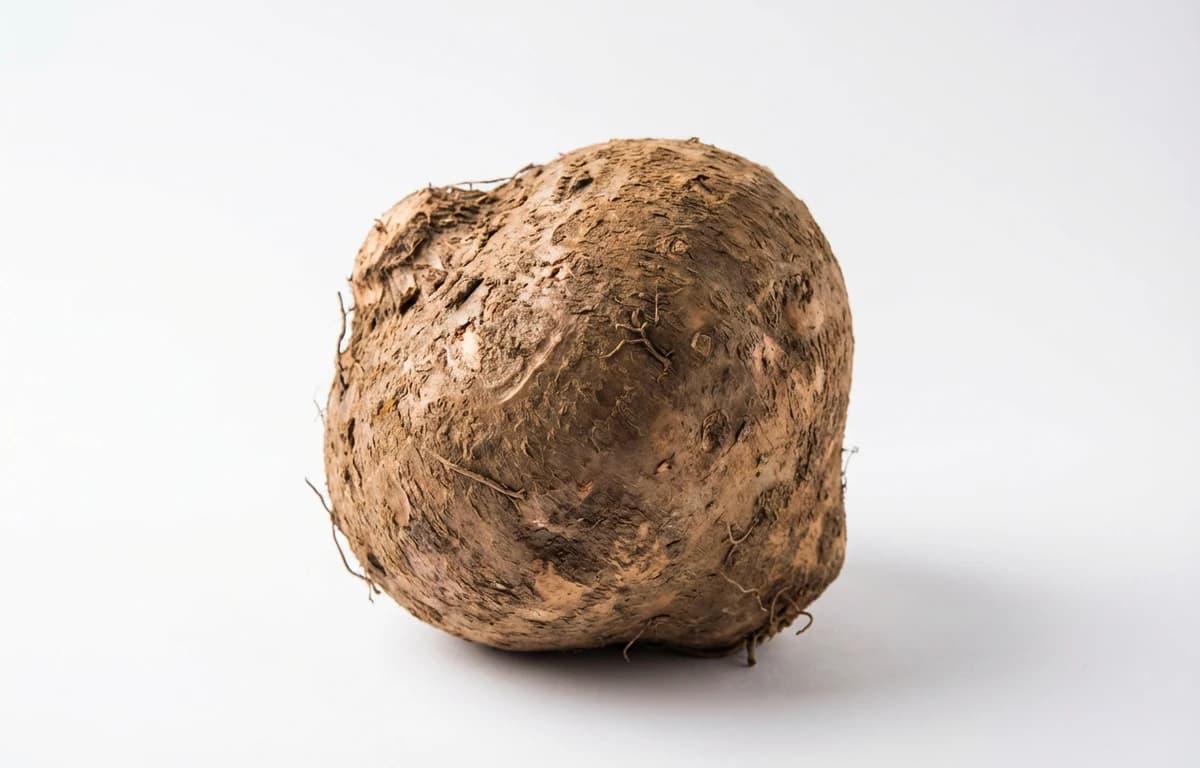
A fresh senai kizhangu should feel firm and heavy for its size. Avoid any tubers that have soft spots, visible mold, deep cracks, or a spongy texture, as these are signs of internal decay or age.
Senai kizhangu contains a bioactive compound called diosgenin. This compound has been studied for its anti-inflammatory properties, which may help in managing inflammatory conditions and supporting overall immune health.