Spice10 recipes
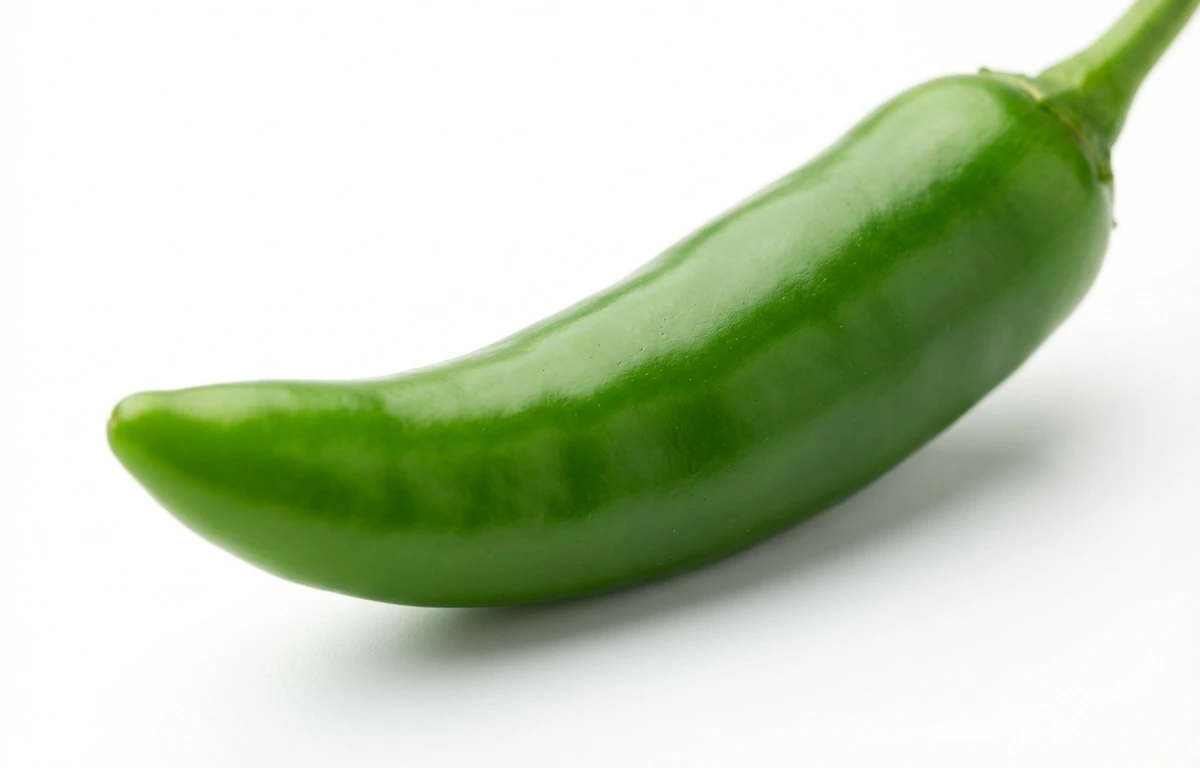
serrano pepper.
VegetarianVeganGluten-freeDairy-freeNut-freePeanut-freeSoy-freeEgg-freeShellfish-freeHoney-freeAlcohol-free
ALSO KNOWN AS
serranoSerrano Peppersserrano chileserano pepperserrano pepperchile serranogreen serrano pepperraw serrano pepper
SERVING
CALORIES
32
PROTEIN
1.7g
CARBS
6.7g
FAT
0.44g
FIBER
3.7g
NUTRITION PROFILE · per 100 g
Everything in this ingredient.
MACRONUTRIENTS
Calories32kcal—
Protein1.7g3%
Carbohydrates6.7g2%
Fiber3.7g13%
Sugar3.8g8%
Total fat0.44g1%
Saturated fat0.06g0%
Trans fat0g—
Cholesterol0mg0%
Water90.3g—
MINERALS
Sodium10mg0%
Potassium305mg6%
Calcium11mg1%
Iron0.86mg5%
Magnesium22mg5%
Phosphorus40mg3%
Zinc0.26mg2%
Copper0.13mg14%
Manganese0.19mg8%
Selenium0.40µg1%
VITAMINS
Vitamin A47µg5%
Vitamin C44.9mg50%
Vitamin D0µg0%
Vitamin E0.69mg5%
Vitamin K11.8µg10%
Thiamin (B1)0.05mg4%
Riboflavin (B2)0.08mg6%
Niacin (B3)1.5mg10%
Pantothenic acid (B5)0.20mg4%
Vitamin B60.51mg30%
Folate (B9)23µg6%
Vitamin B120µg0%
%DV based on a 2,000 cal diet. Source: USDA FoodData Central. A dash in the %DV column means there’s no established Daily Value for that nutrient.
MEASUREMENT CONVERSIONS
How much is what.
1 piece15g
HEALTH BENEFITS
Why eat it.
- ✓Rich in capsaicin, which may boost metabolism and possess anti-inflammatory properties.
- ✓Excellent source of Vitamin C, a powerful antioxidant that supports the immune system and skin health.
- ✓Contains Vitamin A, which is essential for vision health and immune function.
- ✓Provides Vitamin B6, which plays a role in brain development and function.
COOKING TIPS
In the kitchen.
- 1Wear gloves when chopping to prevent the capsaicin oil from irritating your skin, and avoid touching your eyes.
- 2To control the heat level, remove the seeds and white membranes, where most of the capsaicin is concentrated.
- 3Roasting or grilling serranos deepens their flavor and slightly mellows their heat, ideal for salsas and sauces.
- 4Finely mince raw serranos to add a bright, sharp heat to fresh preparations like guacamole, ceviche, and pico de gallo.
STORAGE
Keep it fresh.
- Store fresh, unwashed peppers in a plastic bag in the refrigerator's crisper drawer for up to 3 weeks.
- For long-term storage, freeze whole or chopped on a baking sheet before transferring to a freezer-safe bag for up to 6 months.
FAQ
Frequently asked questions.
Are serrano peppers healthy?
Yes, serrano peppers are very healthy, providing only 32 calories per 100g while being rich in Vitamins C, A, and B6. They also contain capsaicin, which has anti-inflammatory properties and may help support immune and skin health.
Can serrano peppers help with weight loss?
Serrano peppers contain capsaicin, a compound that can slightly increase metabolic rate and promote fat burning. Additionally, they are very low in calories and fat, making them an excellent way to add intense flavor to meals without adding significant calories.
Are serrano peppers keto-friendly?
Yes, serrano peppers are keto-friendly as they contain only about 6.7g of carbohydrates per 100g. Because they are typically consumed in small quantities as a garnish or ingredient, they have a negligible impact on daily carb limits.
Are serrano peppers vegan and gluten-free?
Yes, serrano peppers are a natural, unprocessed vegetable and are both vegan and gluten-free. They are suitable for almost all dietary patterns, including Paleo and Whole30.
How hot is a serrano pepper compared to a jalapeño?
Serrano peppers are significantly hotter than jalapeños, typically measuring between 10,000 and 23,000 Scoville Heat Units. This makes them roughly three to five times spicier than the average jalapeño.
How should I prepare serrano peppers for cooking?
Wash the peppers and remove the stems; you can leave the seeds in for maximum heat or scrape them out to reduce the spiciness. It is highly recommended to wear gloves while cutting them to avoid skin irritation or accidentally getting capsaicin in your eyes.
What is a good substitute for serrano peppers?
If you want less heat, jalapeño peppers are the best substitute. If you need a similar or higher heat level, Thai bird's eye chilies can be used, though they are smaller and have a slightly different flavor profile.
How do you store fresh serrano peppers?
Store fresh serrano peppers in a paper bag or a loosely closed plastic bag in the crisper drawer of your refrigerator. When stored this way, they will typically stay fresh and firm for up to two weeks.
How can you tell if a serrano pepper is spoiled?
A fresh serrano should be firm with smooth, shiny skin. If the pepper feels soft or mushy, has visible mold, or shows deep wrinkles and dark, watery spots, it has begun to spoil and should be discarded.
Can you eat serrano peppers raw?
Yes, serrano peppers are commonly eaten raw in salsas, pico de gallo, and as a spicy garnish. Eating them raw preserves their high Vitamin C content, which can be degraded by high-heat cooking methods.
RECIPES
Cook with serrano pepper.
10 recipes · sorted by what’s quick