herb10 recipes
shepu bhaji.
VegetarianVeganGluten-freeDairy-freeNut-freePeanut-freeSoy-freeEgg-freeShellfish-freeHoney-freeAlcohol-freeHalalKosher
ALSO KNOWN AS
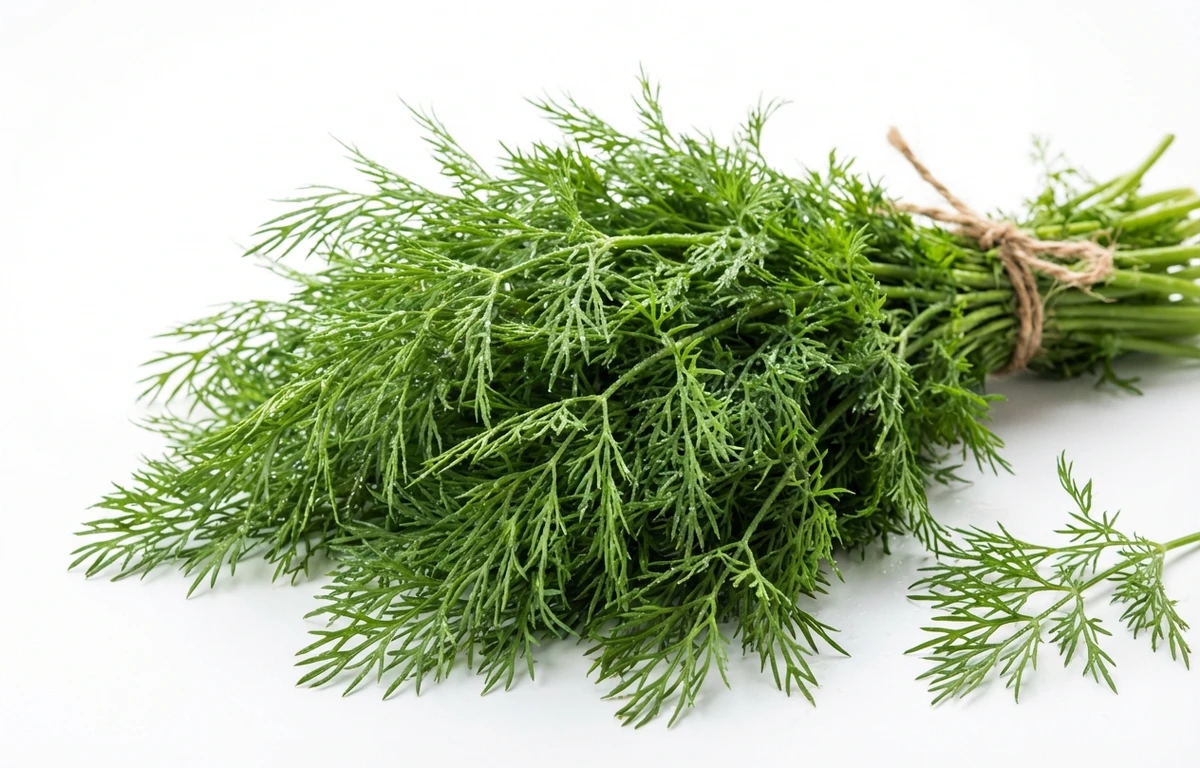
Dill LeavesShepuSuvaDillDill Weedsua bhaji
SERVING
CALORIES
43
PROTEIN
3.5g
CARBS
7.0g
FAT
1.1g
FIBER
2.1g
NUTRITION PROFILE · per 100 g
Everything in this ingredient.
MACRONUTRIENTS
Calories43kcal—
Protein3.5g7%
Carbohydrates7.0g3%
Fiber2.1g8%
Sugar0.85g2%
Total fat1.1g1%
Saturated fat0.06g0%
Trans fat0g—
Cholesterol0mg0%
Water86g—
MINERALS
Sodium61mg3%
Potassium738mg16%
Calcium208mg16%
Iron6.6mg37%
Magnesium55mg13%
Phosphorus66mg5%
Zinc0.91mg8%
Copper0.15mg17%
Manganese1.3mg55%
Selenium1.2µg2%
VITAMINS
Vitamin A386µg43%
Vitamin C85mg94%
Vitamin D0µg0%
Thiamin (B1)0.06mg5%
Riboflavin (B2)0.30mg23%
Niacin (B3)1.6mg10%
Pantothenic acid (B5)0.40mg8%
Vitamin B60.19mg11%
Folate (B9)150µg38%
Vitamin B120µg0%
%DV based on a 2,000 cal diet. Source: USDA FoodData Central. A dash in the %DV column means there’s no established Daily Value for that nutrient.
MEASUREMENT CONVERSIONS
How much is what.
1 cup25g
1 tablespoon2g
1 teaspoon4g
HEALTH BENEFITS
Why eat it.
- ✓Rich in antioxidants like flavonoids and terpenoids, which help protect cells from damage by free radicals.
- ✓Good source of Vitamin C, Vitamin A, and manganese, supporting immune function, vision, and bone health.
- ✓Traditionally used as a carminative to aid digestion, reduce gas, and alleviate indigestion.
- ✓Contains essential oils with antimicrobial properties that may help inhibit the growth of certain bacteria.
COOKING TIPS
In the kitchen.
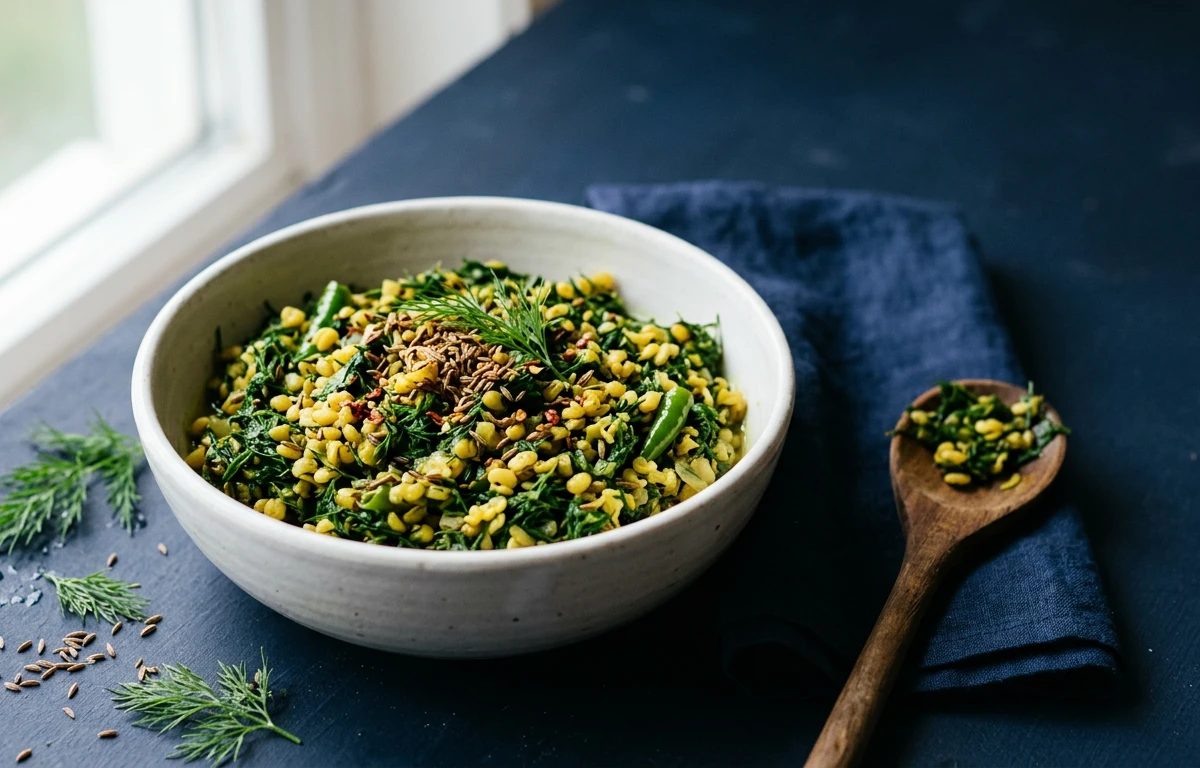
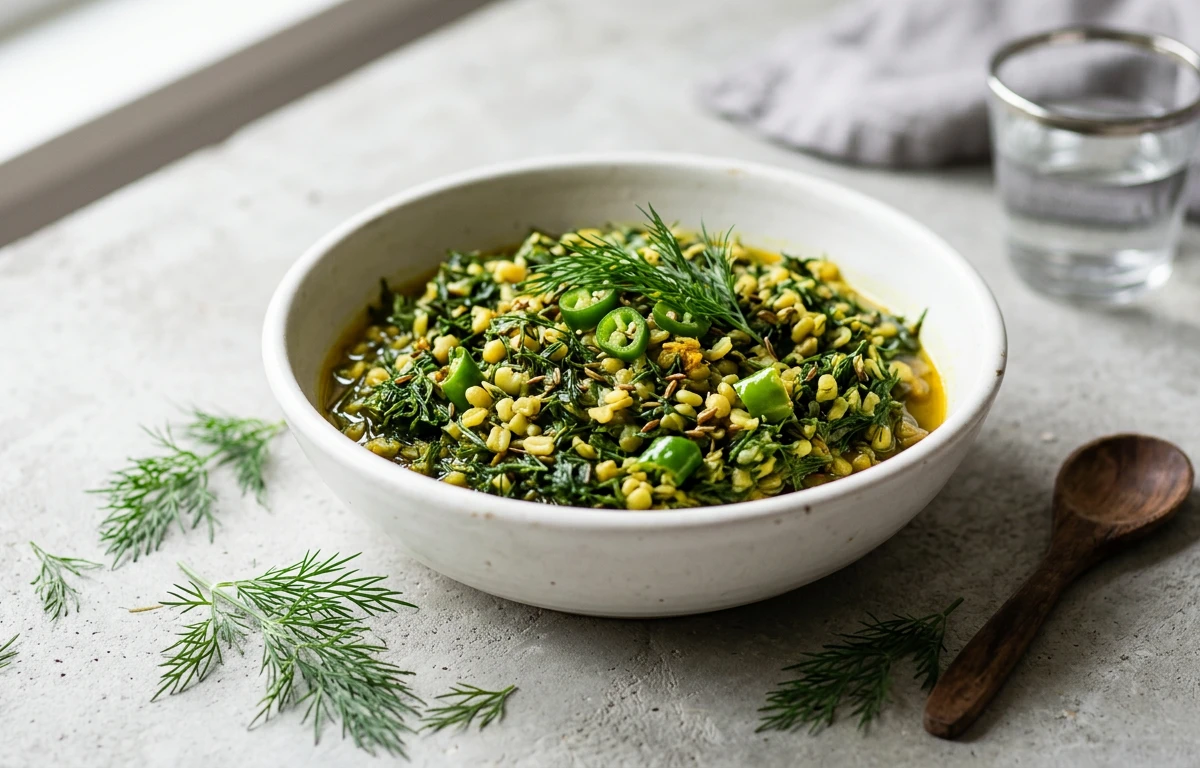
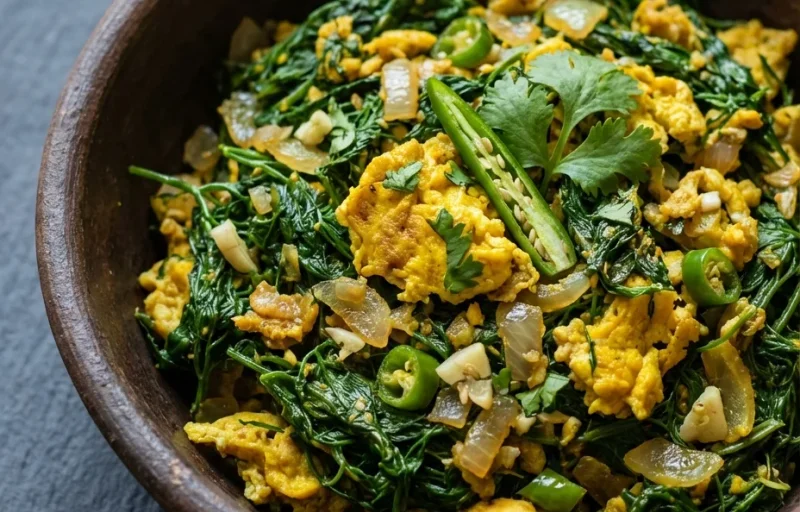
- 1Dill has a strong, pungent, and slightly bitter flavor. It's best to cook it to mellow its intensity. A simple stir-fry with garlic, green chilies, and a pinch of turmeric is a common preparation in Indian cuisine.
- 2It pairs exceptionally well with lentils (like moong dal or chana dal) and gram flour (besan), which help balance its strong taste.
- 3The leaves cook very quickly. Add them towards the end of the cooking process to retain their nutritional value and prevent them from becoming mushy.
- 4The tender stems are also edible and flavorful. Chop them finely and cook them along with the leaves.
- 5Fresh dill is excellent in salads, yogurt-based dips, fish dishes, and potato preparations.
STORAGE
Keep it fresh.
- Wrap the unwashed leaves in a damp paper towel, place inside a plastic bag, and store in the refrigerator's crisper drawer for up to one week.
- For longer storage, finely chop the leaves, place them in an ice cube tray with a little water, and freeze. The frozen cubes can be added directly to dishes.
FAQ
Frequently asked questions.
Is shepu bhaji healthy?
Yes, shepu bhaji (dill leaves) is highly nutritious and low in calories. It is a rich source of antioxidants like flavonoids, as well as essential vitamins A and C, which support immune function and bone health.
What are the nutritional values of shepu bhaji?
Per 100g, shepu bhaji contains approximately 43 calories, 3.46g of protein, 7.02g of carbohydrates, and 1.12g of fat. It is also a significant source of manganese and Vitamin A.
Is shepu bhaji good for digestion?
Yes, shepu bhaji is traditionally used as a carminative to aid digestion. It helps reduce gas, alleviate indigestion, and contains essential oils that can soothe the digestive tract.
Is shepu bhaji keto-friendly?
Yes, shepu bhaji is very keto-friendly as it contains only about 7g of carbohydrates per 100g. Since it is usually consumed in smaller portions as a herb or side dish, its impact on daily carb counts is minimal.
Is shepu bhaji vegan and gluten-free?
Yes, shepu bhaji is a natural leafy herb and is both 100% vegan and gluten-free. It is a safe and healthy addition to plant-based and Celiac-friendly diets.
What does shepu bhaji taste like?
Shepu bhaji has a very distinct, pungent, and slightly tangy flavor with earthy undertones. Because its aroma is quite strong, it is often paired with milder ingredients like yellow lentils (moong dal) or potatoes.
How do you cook shepu bhaji?
It is most commonly prepared as a dry stir-fry (sabzi) with soaked moong dal, garlic, and green chilies. It can also be chopped and added to paratha dough, soups, or used as a garnish for fish dishes.
Can I eat shepu bhaji raw?
Yes, shepu bhaji can be eaten raw in salads, raitas, or as a garnish. Consuming it raw helps preserve its heat-sensitive Vitamin C and essential oil content.
How do you store shepu bhaji to keep it fresh?
Store unwashed shepu bhaji by wrapping it in a damp paper towel and placing it in a perforated plastic bag in the refrigerator. It typically stays fresh for 3 to 5 days; do not wash it until you are ready to use it.
Does shepu bhaji have antimicrobial properties?
Yes, shepu bhaji contains essential oils that possess antimicrobial properties. These compounds may help inhibit the growth of certain bacteria, potentially supporting better gut health and food safety.
RECIPES
Cook with shepu bhaji.
10 recipes · sorted by what’s quick