grain1 recipes
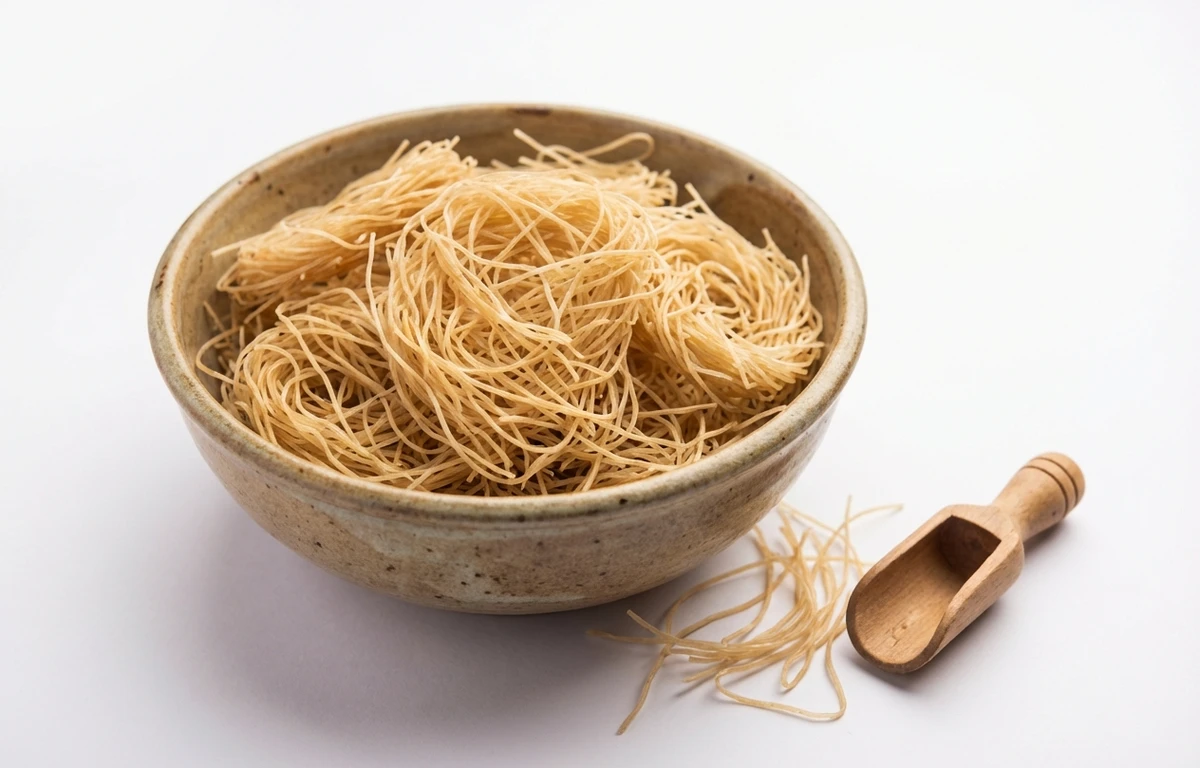
shevai.
VegetarianVeganGluten-freeDairy-freeNut-freePeanut-freeSoy-freeEgg-freeShellfish-freeHoney-freeAlcohol-free
SERVING
CALORIES
375
PROTEIN
7.5g
CARBS
82g
FAT
0.80g
FIBER
2.0g
NUTRITION PROFILE · per 100 g
Everything in this ingredient.
MACRONUTRIENTS
Calories375kcal—
Protein7.5g15%
Carbohydrates82g30%
Fiber2.0g7%
Sugar0.10g0%
Total fat0.80g1%
Saturated fat0.20g1%
Trans fat0g—
Cholesterol0mg0%
Water9.0g—
MINERALS
Sodium15mg1%
Potassium60mg1%
Calcium18mg1%
Iron0.80mg4%
Magnesium25mg6%
Phosphorus110mg9%
Zinc1.0mg9%
Copper0.10mg11%
Manganese0.50mg22%
Selenium12µg22%
VITAMINS
Vitamin A0µg0%
Vitamin C0mg0%
Vitamin D0µg0%
Vitamin E0.10mg1%
Vitamin K0.10µg0%
Thiamin (B1)0.05mg4%
Riboflavin (B2)0.02mg2%
Niacin (B3)1.5mg9%
Pantothenic acid (B5)0.40mg8%
Vitamin B60.10mg6%
Folate (B9)8.0µg2%
Vitamin B120µg0%
%DV based on a 2,000 cal diet. Source: USDA FoodData Central. A dash in the %DV column means there’s no established Daily Value for that nutrient.
MEASUREMENT CONVERSIONS
How much is what.
1 cup70g
1 tablespoon4.5g
HEALTH BENEFITS
Why eat it.
- ✓Provides a quick source of carbohydrates for energy.
- ✓Low in fat, making it a suitable base for light meals.
- ✓Whole grain or millet-based versions can be a good source of dietary fiber, aiding digestion.
- ✓Versatile ingredient for creating balanced meals by adding vegetables, legumes, or lean proteins.
COOKING TIPS
In the kitchen.
- 1For savory dishes like upma, lightly roast the dry shevai in a pan with a little oil or ghee until golden before boiling. This prevents them from becoming sticky and adds a nutty flavor.
- 2To cook, add to boiling water and cook for just 2-4 minutes until al dente. Drain immediately and rinse with cold water to stop the cooking process.
- 3For sweet dishes like kheer or payasam, add roasted shevai directly to simmering milk and cook until tender.
- 4Do not overcook, as the thin strands can quickly turn mushy.
STORAGE
Keep it fresh.
- Store dry, uncooked shevai in an airtight container in a cool, dark pantry to protect from moisture and pests.
- Once the package is opened, it should be consumed within 6-12 months for optimal freshness.
- Cooked shevai should be refrigerated in a sealed container and consumed within 2-3 days.
FAQ
Frequently asked questions.
Is shevai healthy?
Shevai is a high-carbohydrate food that provides a quick source of energy and is naturally very low in fat. While the refined wheat version is lower in fiber, choosing whole wheat or millet-based shevai can improve its nutritional profile and aid in digestion.
How much protein and carbs are in shevai?
A 100g serving of shevai contains approximately 375 calories, 82g of carbohydrates, and 7.5g of protein. It is a calorie-dense grain product, making it an effective energy source for active individuals.
Is shevai gluten-free?
Traditional shevai is made from semolina or wheat flour and contains gluten. However, gluten-free versions made from rice, ragi (finger millet), or corn are common alternatives for those with celiac disease or gluten sensitivity.
Is shevai good for weight loss?
Shevai can be part of a weight loss diet if consumed in moderation and paired with high-fiber vegetables and lean proteins. Because it is high in carbohydrates, portion control is essential to avoid exceeding daily calorie goals.
Is shevai vegan?
In its dry form, shevai is typically vegan as it is made from flour and water. However, many traditional preparations involve milk (like Kheer) or ghee, so ensure you use plant-based substitutes during cooking if you follow a vegan diet.
How do you cook shevai?
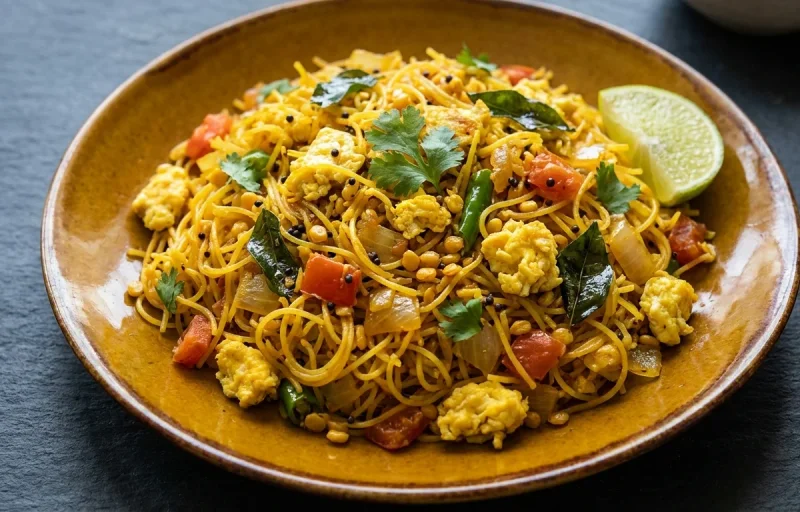
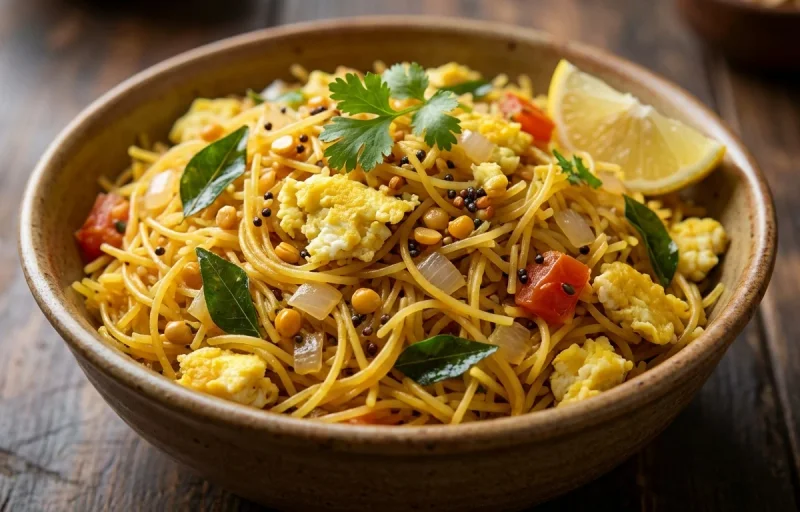
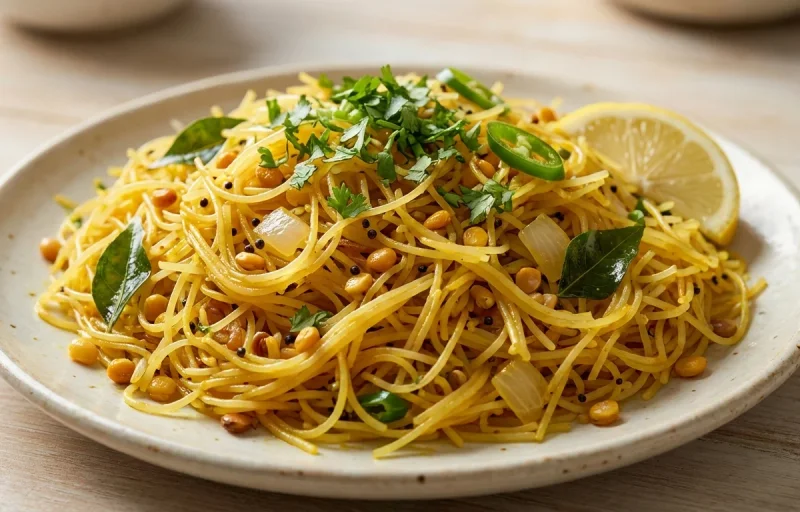
For savory dishes like Upma, roast the shevai until golden, then boil it in water until tender. For sweet dishes like Kheer, simmer the roasted shevai in milk with sugar and spices until it reaches a soft, creamy consistency.
What does shevai taste like?
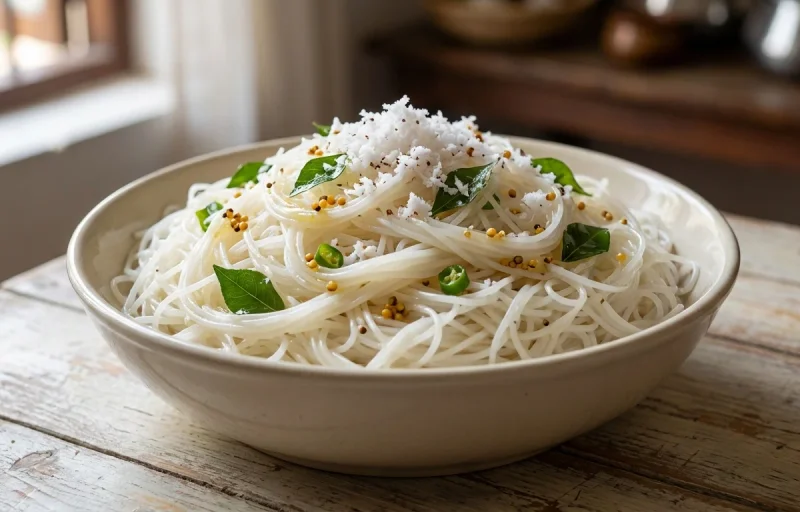
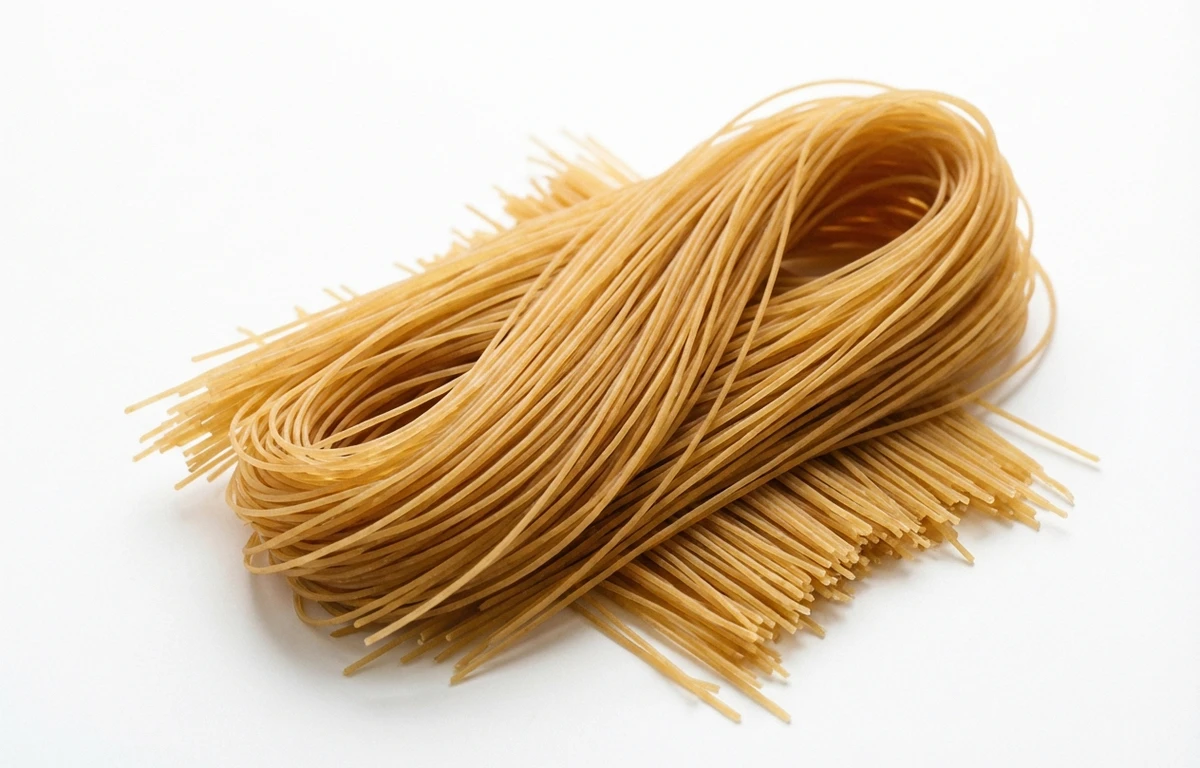
Shevai has a very mild, neutral flavor similar to pasta. Its thin, delicate texture allows it to easily absorb the flavors of the spices, broths, or sweetened milk it is cooked in.
How do you store shevai and how long does it last?
Store dry shevai in an airtight container in a cool, dry place to prevent it from becoming stale or attracting pests. When kept away from moisture, it can last for 6 to 12 months.
Can diabetics eat shevai?
Diabetics should consume shevai in moderation because its high carbohydrate content can cause blood sugar spikes. Opting for whole-grain or millet-based shevai and eating it alongside fiber-rich vegetables can help manage the glycemic response.
Is shevai the same as rice vermicelli?
Not necessarily. While 'shevai' is a general term for vermicelli in India, it is most commonly made from wheat or semolina. Rice vermicelli is a specific variety made from rice flour, which is naturally gluten-free and has a slightly different texture.
RECIPES
Cook with shevai.
1 recipes · sorted by what’s quick