Dairy2 recipes
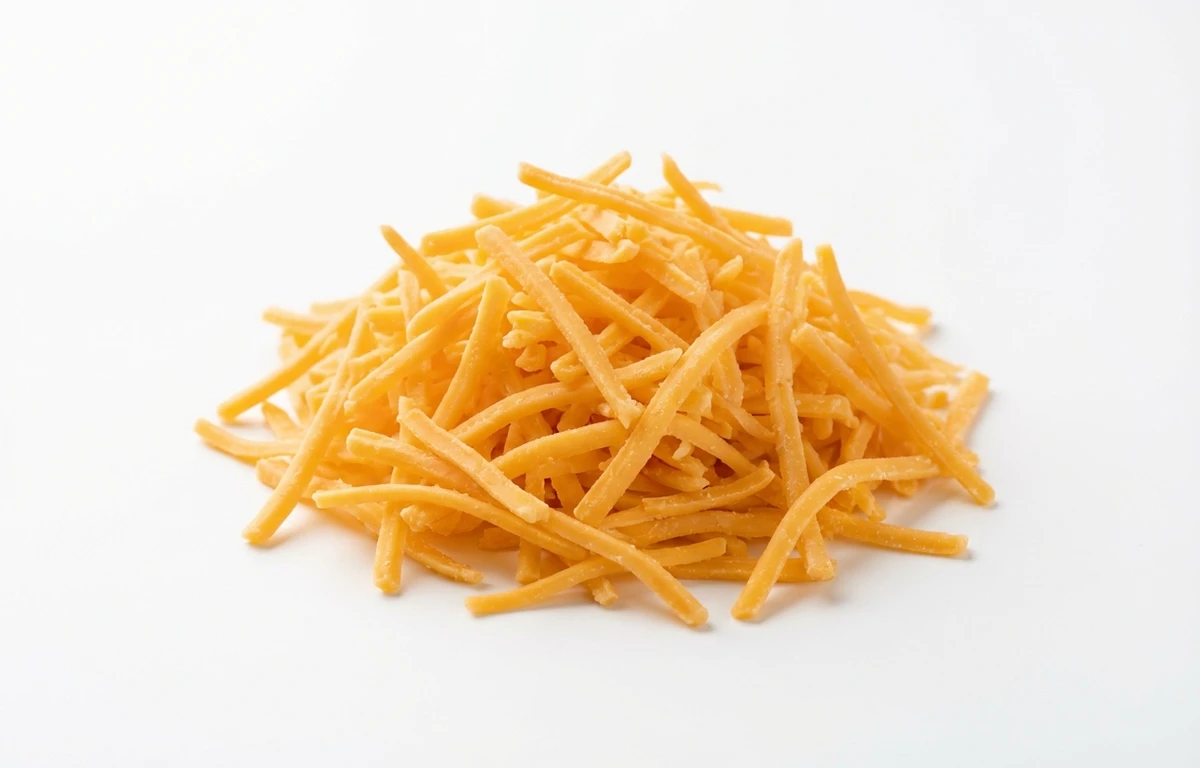
shredded cheese.
VegetarianVeganGluten-freeDairy-freeNut-freePeanut-freeSoy-freeEgg-freeShellfish-freeHoney-freeAlcohol-freeFermented
ALSO KNOWN AS
grated cheese
SERVING
CALORIES
393
PROTEIN
24.5g
CARBS
3.2g
FAT
31.1g
FIBER
0g
NUTRITION PROFILE · per 100 g
Everything in this ingredient.
MACRONUTRIENTS
Calories393kcal—
Protein24.5g49%
Carbohydrates3.2g1%
Fiber0g0%
Sugar0.50g1%
Total fat31.1g40%
Saturated fat19g95%
Trans fat1.0g—
Cholesterol95mg32%
Water37g—
MINERALS
Sodium650mg28%
Potassium80mg2%
Calcium710mg55%
Iron0.20mg1%
Magnesium25mg6%
Phosphorus480mg38%
Zinc3.5mg32%
Copper0.03mg3%
Manganese0.01mg0%
Selenium14.5µg26%
VITAMINS
Vitamin A260µg29%
Vitamin C0mg0%
Vitamin D0.60µg3%
Vitamin E0.30mg2%
Vitamin K2.4µg2%
Thiamin (B1)0.03mg3%
Riboflavin (B2)0.35mg27%
Niacin (B3)0.10mg1%
Pantothenic acid (B5)0.40mg8%
Vitamin B60.08mg5%
Folate (B9)18µg5%
Vitamin B121.5µg63%
%DV based on a 2,000 cal diet. Source: USDA FoodData Central. A dash in the %DV column means there’s no established Daily Value for that nutrient.
MEASUREMENT CONVERSIONS
How much is what.
1 cup113g
1 tablespoon7g
1 teaspoon2g
1 oz28.4g
1 lb453.6g
HEALTH BENEFITS
Why eat it.
- ✓Excellent source of calcium for bone health
- ✓High quality protein for muscle maintenance
- ✓Contains Vitamin B12 for nerve function
- ✓Rich in phosphorus for healthy teeth
- ✓Provides zinc for immune system support
COOKING TIPS
In the kitchen.
- 1Add at the end of cooking to prevent the cheese from becoming rubbery
- 2Toss with a little cornstarch if using in sauces to prevent clumping
- 3Use at room temperature for more even melting in baked dishes
STORAGE
Keep it fresh.
- Store in an airtight container or resealable bag in the refrigerator
- Can be frozen for up to 3 months; thaw in the fridge before use
- Keep away from strong-smelling foods as cheese absorbs odors
FAQ
Frequently asked questions.
How long does shredded cheese last in the fridge?
Once opened, pre-shredded cheese typically lasts 5 to 7 days. Always check for signs of mold or an off-smell.
Can I freeze shredded cheese?
Yes, shredded cheese freezes well. Store it in a freezer-safe bag for up to 3 months. It may become slightly more crumbly after thawing.
Why does pre-shredded cheese not melt as well as block cheese?
Pre-shredded cheese is coated with anti-caking agents like potato starch or cellulose to prevent clumping, which can affect its melting consistency.
What is a good vegan substitute for shredded cheese?
Nutritional yeast provides a cheesy flavor, or you can use commercial plant-based shredded cheese made from coconut oil or nuts.
Is shredded cheese gluten-free?
Most shredded cheeses are naturally gluten-free, but some anti-caking agents may contain gluten. Always check the label if you have a sensitivity.
How can I tell if shredded cheese has gone bad?
Look for visible mold, a slimy texture, or a sour, ammonia-like smell. If any of these are present, discard the entire bag.
What are the white specks often found on shredded cheese?
These are usually anti-caking agents like cellulose or potato starch added during processing to keep the shreds separate.
Is shredded cheese healthy?
It is a good source of calcium and protein but is also high in saturated fat and sodium, so it should be consumed in moderation.
Can I use shredded cheese in a fondue?
While possible, freshly grated block cheese is preferred for fondue because the anti-caking agents in pre-shredded cheese can make the sauce grainy.
RECIPES
Cook with shredded cheese.
2 recipes · sorted by what’s quick