Protein10 recipes
shrimp.
VegetarianVeganGluten-freeDairy-freeNut-freePeanut-freeSoy-freeEgg-freeShellfish-freeHoney-freeAlcohol-freeKosher
ALSO KNOWN AS
prawnsjumbo shrimpking prawnsbada jhingacamarones grandeslarge shrimpRaw Shrimpbaby shrimpsmall prawnschingrismall shrimpshrimpjhingagalda chingrigiant prawnslarge prawnsjumbo prawns
SERVING
CALORIES
85
PROTEIN
20.1g
CARBS
0g
FAT
0.50g
FIBER
0g
NUTRITION PROFILE · per 100 g
Everything in this ingredient.
MACRONUTRIENTS
Calories85kcal—
Protein20.1g40%
Carbohydrates0g0%
Fiber0g0%
Sugar0g0%
Total fat0.50g1%
Saturated fat0.10g1%
Trans fat0g—
Cholesterol161mg54%
Water78.4g—
MINERALS
Sodium119mg5%
Potassium259mg6%
Calcium70mg5%
Iron0.50mg3%
Magnesium35mg8%
Phosphorus230mg18%
Zinc1.3mg12%
Copper0.20mg22%
Manganese0.03mg1%
Selenium39.6µg72%
VITAMINS
Vitamin A54µg6%
Vitamin C0mg0%
Vitamin D0.10µg1%
Vitamin E1.9mg13%
Vitamin K0.10µg0%
Thiamin (B1)0.03mg3%
Riboflavin (B2)0.03mg2%
Niacin (B3)2.6mg16%
Pantothenic acid (B5)0.40mg8%
Vitamin B60.10mg6%
Folate (B9)4.0µg1%
Vitamin B121.1µg46%
%DV based on a 2,000 cal diet. Source: USDA FoodData Central. A dash in the %DV column means there’s no established Daily Value for that nutrient.
MEASUREMENT CONVERSIONS
How much is what.
1 cup165g
1 tablespoon10.3g
1 teaspoon3.4g
1 oz28.4g
1 lb453.6g
1 ml0.7g
1 liter687.5g
1 piece8g
HEALTH BENEFITS
Why eat it.
- ✓Excellent source of lean, high-quality protein, essential for muscle repair and growth.
- ✓Rich in selenium, an antioxidant that helps protect cells from damage and supports thyroid function.
- ✓Provides astaxanthin, a powerful antioxidant linked to reducing inflammation and oxidative stress.
- ✓Low in calories and carbohydrates, making it a suitable choice for weight management diets.
COOKING TIPS
In the kitchen.
- 1Avoid overcooking shrimp as they become tough and rubbery. Cook just until they turn pink and opaque, typically 2-3 minutes.
- 2For a better sear and to prevent steaming, pat shrimp completely dry with a paper towel before cooking in a hot pan.
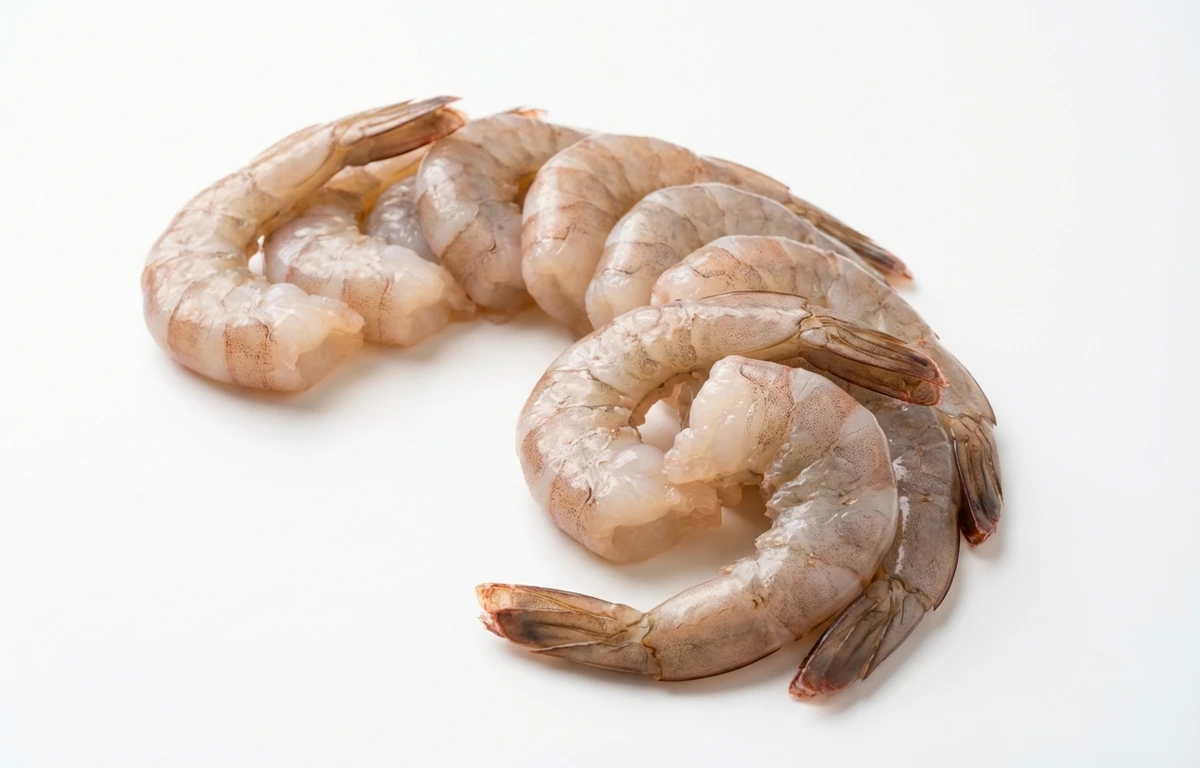
- 3To devein shrimp, make a shallow incision along the back and use the tip of a knife or a toothpick to remove the dark digestive tract.
STORAGE
Keep it fresh.
- Store fresh, raw shrimp in the coldest part of the refrigerator (below 40°F or 4°C) and consume within 1-2 days.
- For longer storage, freeze shrimp in an airtight container or heavy-duty freezer bag for up to 3-6 months. Thaw in the refrigerator overnight before use.
FAQ
Frequently asked questions.
Is shrimp healthy?
Yes, shrimp is a highly nutritious, low-calorie source of lean protein. It provides essential minerals like selenium and antioxidants like astaxanthin, which support thyroid health and help reduce inflammation throughout the body.
Is shrimp high in cholesterol?
While shrimp is higher in dietary cholesterol than many other protein sources, it is very low in saturated fat. Current nutritional science suggests that for most people, dietary cholesterol has a minimal impact on blood cholesterol levels compared to the intake of saturated and trans fats.
Is shrimp keto-friendly?
Shrimp is excellent for keto and low-carb diets because it contains 0g of carbohydrates. With approximately 20g of protein and very little fat per 100g serving, it is a pure protein source that fits easily into macro-tracking plans.
Is shrimp gluten-free?
Plain, raw, or steamed shrimp is naturally gluten-free. However, you must be careful with processed versions, such as breaded shrimp, tempura, or shrimp pre-marinated in sauces like soy sauce, which often contain wheat.
Is shrimp halal or kosher?
Shrimp is generally considered halal by most Islamic dietary interpretations. However, it is not kosher according to Jewish dietary laws (Kashrut), as it is a shellfish and lacks the required fins and scales.
How do you know when shrimp is fully cooked?
Shrimp cooks very quickly, usually within 2 to 5 minutes. It is done when the flesh turns from translucent to an opaque white with pinkish-red accents, and the body curls into a 'C' shape; an 'O' shape usually indicates it is overcooked.
Do you have to devein shrimp before eating?
Removing the 'vein' (the digestive tract) is not a safety requirement, but it is often done for aesthetic reasons and to avoid a gritty texture. In larger shrimp, the vein can be more pronounced and may contain sand or mud.
How long does fresh shrimp last in the refrigerator?
Raw shrimp is highly perishable and should be stored in the coldest part of your refrigerator for no more than 1 to 2 days. If you do not plan to cook it within that timeframe, it should be frozen immediately.
Can you freeze cooked shrimp?
Yes, cooked shrimp can be frozen in airtight containers or heavy-duty freezer bags for up to 3 months. To prevent a rubbery texture, ensure the shrimp is completely cooled before freezing and thaw it slowly in the fridge.
Is shrimp good for weight loss?
Shrimp is an ideal food for weight loss because it is very nutrient-dense and low in calories, providing about 85 calories per 100g. Its high protein content helps increase satiety and preserve muscle mass during a calorie deficit.
RECIPES
Cook with shrimp.
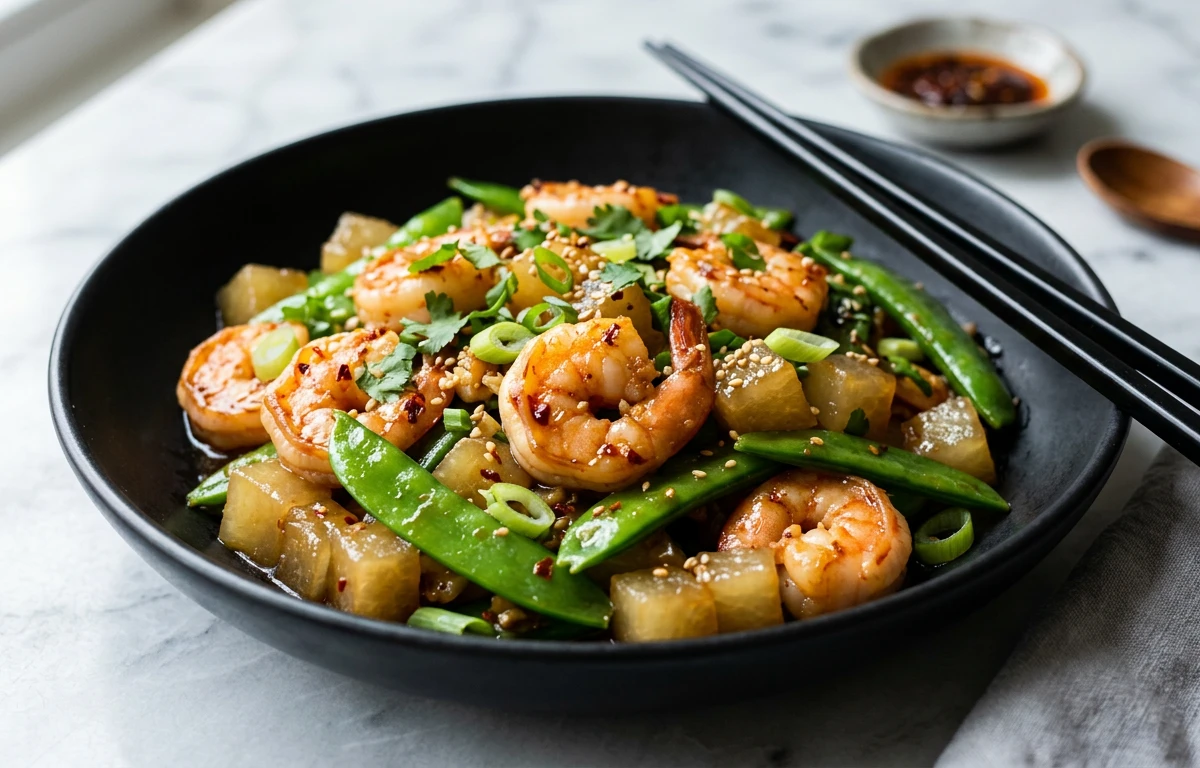
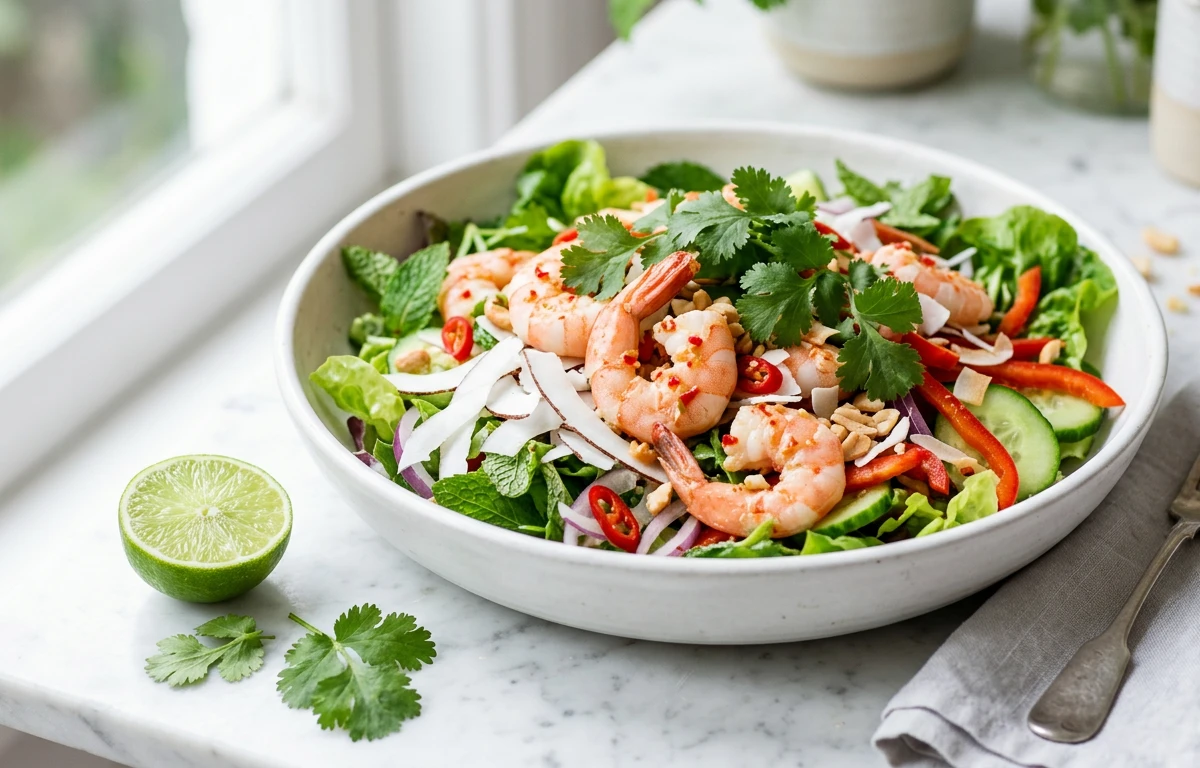
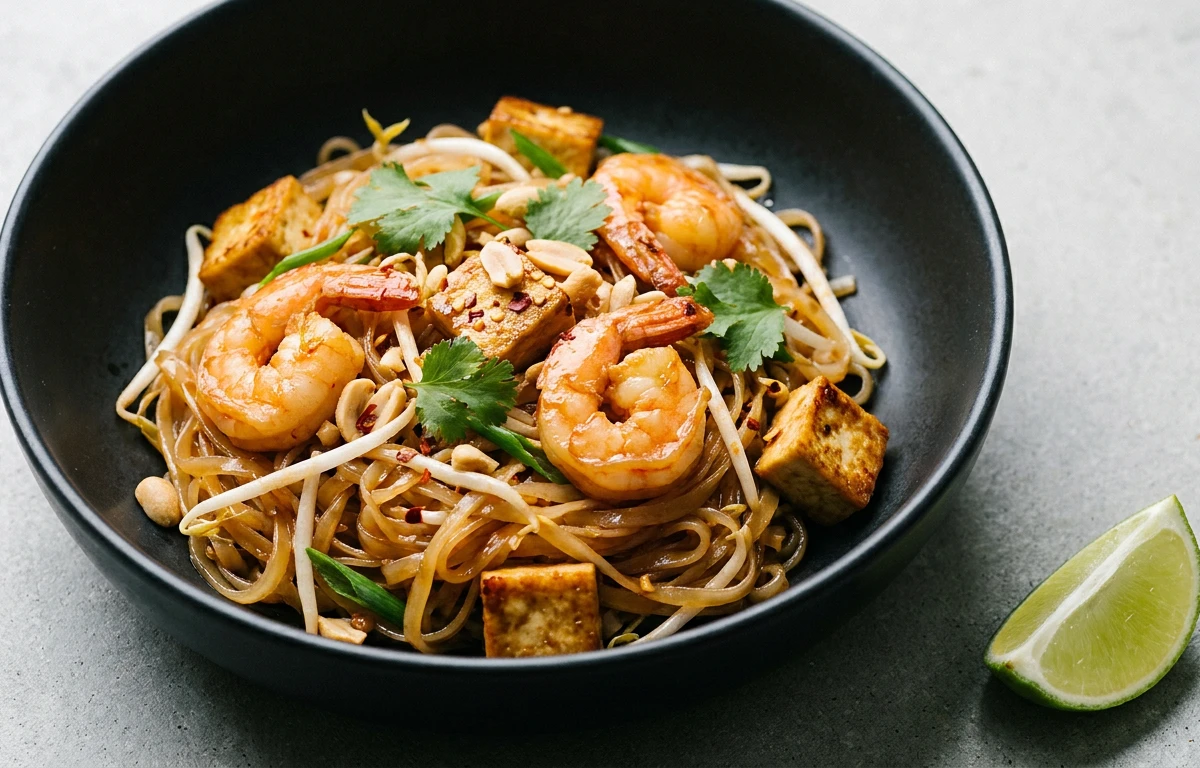
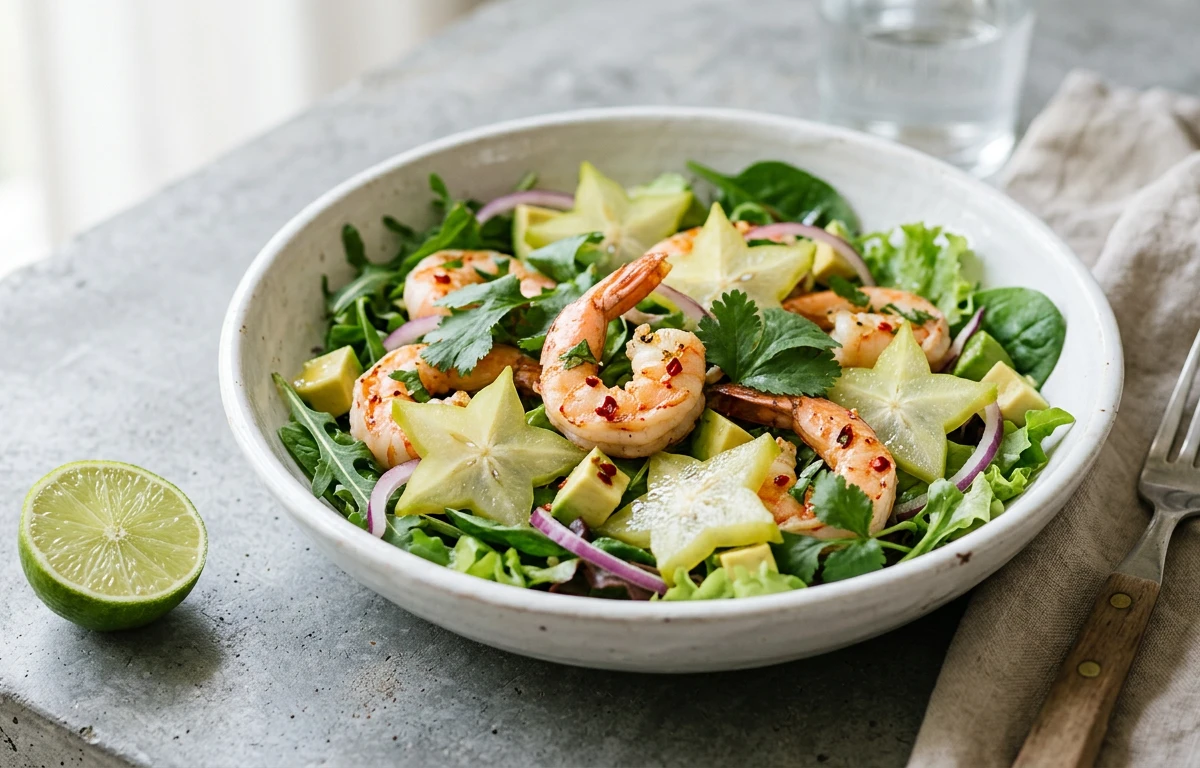
10 recipes · sorted by what’s quick