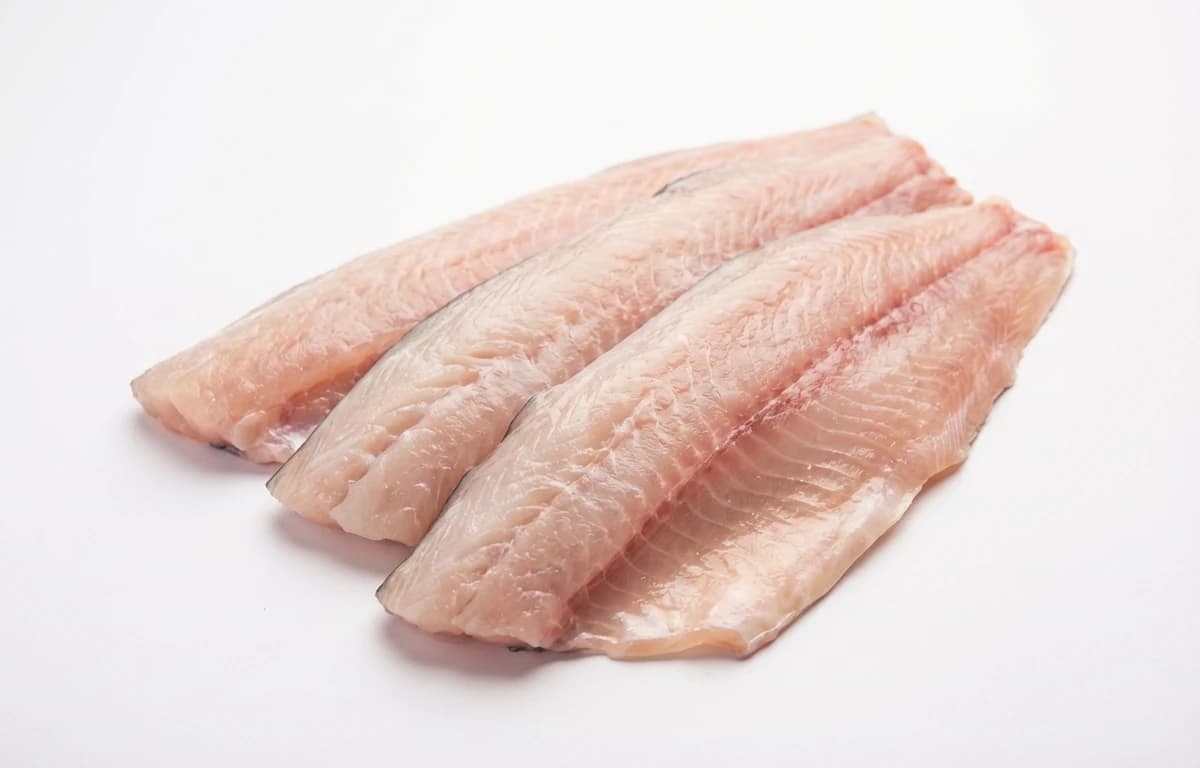
singhi
Also known as:
Loading...
Also known as:
Per 100g
Nutrition data source: USDA FoodData Central
Yes, singhi is highly nutritious, offering 22.8g of protein per 100g with very little fat. It is rich in iron, omega-3 fatty acids, and essential minerals like calcium and phosphorus, making it excellent for heart, blood, and bone health.
Singhi is an excellent source of lean protein, providing approximately 22.8g per 100g serving. This high protein content makes it ideal for muscle repair and growth while remaining low in calories.
Yes, singhi is very effective for weight loss diets because it is high in protein and extremely low in fat (0.6g) and calories (97 kcal). The high protein content helps maintain satiety, which can help reduce overall calorie intake.
Absolutely. Singhi contains 0g of carbohydrates and is high in protein, making it a perfect fit for ketogenic and low-carb diets. It provides essential nutrients and healthy fats without impacting blood sugar levels.
Traditionally, singhi is valued for its high iron content and easily digestible protein, which aid in blood formation and tissue repair. It is often served in light curries or stews to help patients regain strength after an illness or surgery.
Singhi is most commonly prepared in light, spicy curries or stews to preserve its nutritional value. It can also be pan-fried or steamed, but it is best known for its role in traditional 'Jhol' (light fish broth) in South Asian cuisine.
Singhi has a mild, slightly sweet flavor and a firm texture that holds up well during cooking. Because it is a freshwater catfish, it has a clean taste and absorbs the flavors of spices and broths very effectively.
singhi is a versatile ingredient found in cuisines around the world. With 97 calories per 100g and 22.8 grams of protein, it's a nutritious addition to many dishes.
Explore more ingredients in the seafood category with complete nutrition information.
View all seafood →Fresh singhi should be cleaned, patted dry, and stored in an airtight container in the coldest part of the refrigerator for up to 2 days. For longer storage, it can be frozen for up to 3 months, though the texture is best when consumed fresh.
Yes, singhi fish is naturally gluten-free as it is a pure protein source. However, you must ensure that any marinades, batters, or sauces used during the cooking process do not contain wheat-based ingredients.
Singhi has a central backbone and some smaller bones, but it is generally easier to de-bone than many other small freshwater fish. When prepared for children or the elderly, it is often served in a broth where the flesh can be easily separated from the bones.