
Vegetable10 recipes
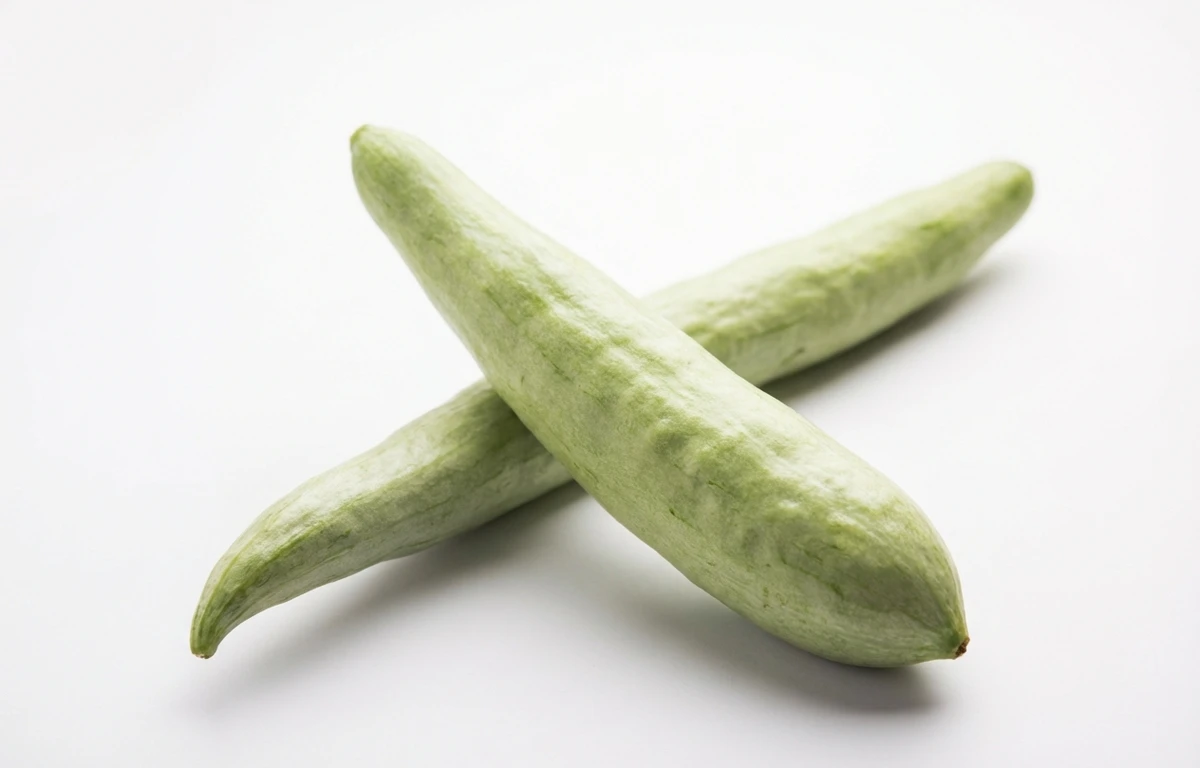
snake gourd.
VegetarianVeganGluten-freeDairy-freeNut-freePeanut-freeSoy-freeEgg-freeShellfish-freeHoney-freeAlcohol-free
ALSO KNOWN AS
chichindachichinda vegetablepudalangaisnake gourdpadwalpotlakayapadavalangaserpent gourdlong gourdlong dark green snake gourdlong pale green snake gourd
SERVING
CALORIES
18
PROTEIN
0.60g
CARBS
3.7g
FAT
0.20g
FIBER
0.80g
This ingredient is flagged as naturally gluten-free. Per 100 g, it provides 0.30 µg of vitamin K.
NUTRITION PROFILE · per 100 g
Everything in this ingredient.
MACRONUTRIENTS
Calories18kcal—
Protein0.60g1%
Carbohydrates3.7g1%
Fiber0.80g3%
Sugar0.80g2%
Total fat0.20g0%
Saturated fat0.04g0%
Cholesterol0mg0%
MINERALS
Sodium1.0mg0%
Potassium37mg1%
Calcium26mg2%
Iron0.30mg2%
Magnesium12mg3%
Phosphorus20mg2%
Zinc0.10mg1%
Copper0.03mg3%
Manganese0.05mg2%
Selenium0.10µg0%
VITAMINS
Vitamin A1.0µg0%
Vitamin C18mg20%
Vitamin D0µg0%
Vitamin E0.01mg0%
Vitamin K0.30µg0%
Thiamin (B1)0.03mg3%
Riboflavin (B2)0.02mg2%
Niacin (B3)0.20mg1%
Pantothenic acid (B5)0.10mg2%
Vitamin B60.02mg1%
Folate (B9)11µg3%
Vitamin B120µg0%
%DV based on a 2,000 cal diet. Source: USDA FoodData Central. A dash in the %DV column means there’s no established Daily Value for that nutrient.
MEASUREMENT CONVERSIONS
How much is what.
1 cup110g
1 tablespoon15g
1 teaspoon5g
1 ml1g
1 liter1000g
HEALTH BENEFITS
Why eat it.
- ✓High in water content (over 90%), which helps with hydration.
- ✓A good source of dietary fiber, aiding digestion and promoting gut health.
COOKING TIPS
In the kitchen.
- 1For mature gourds, lightly scrape or peel the skin and remove the central pith and seeds before cooking.
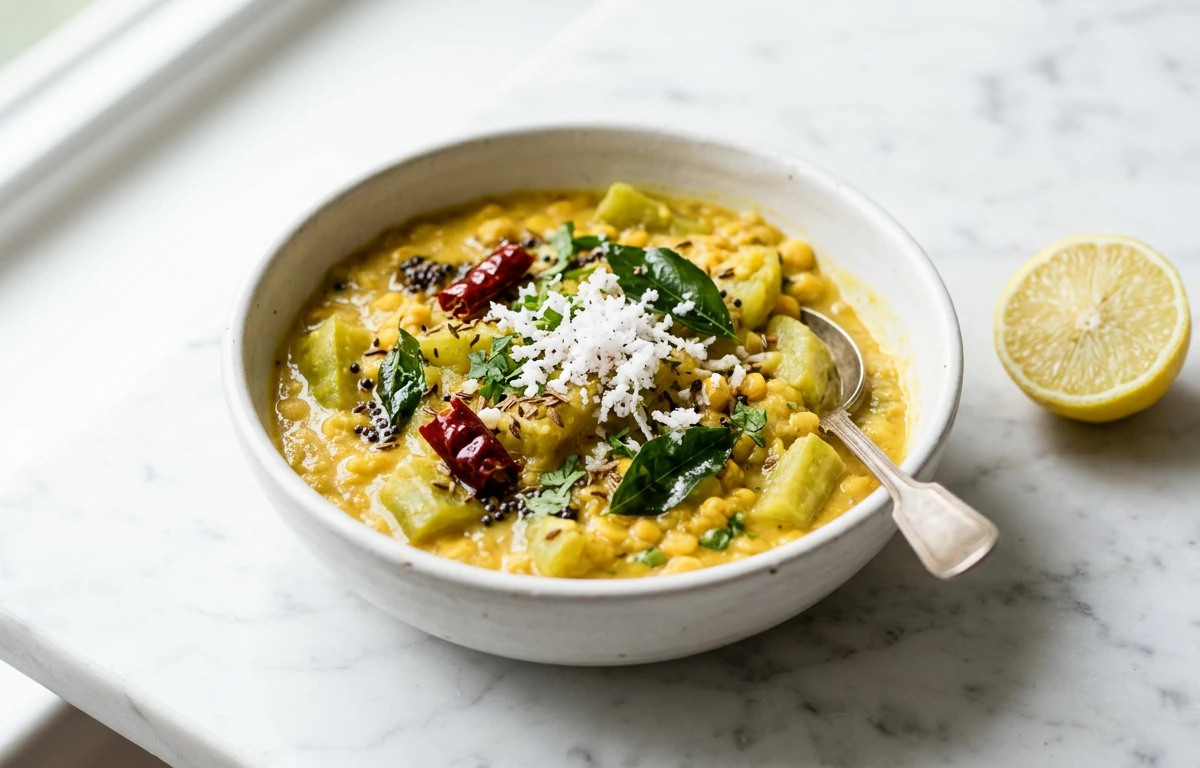
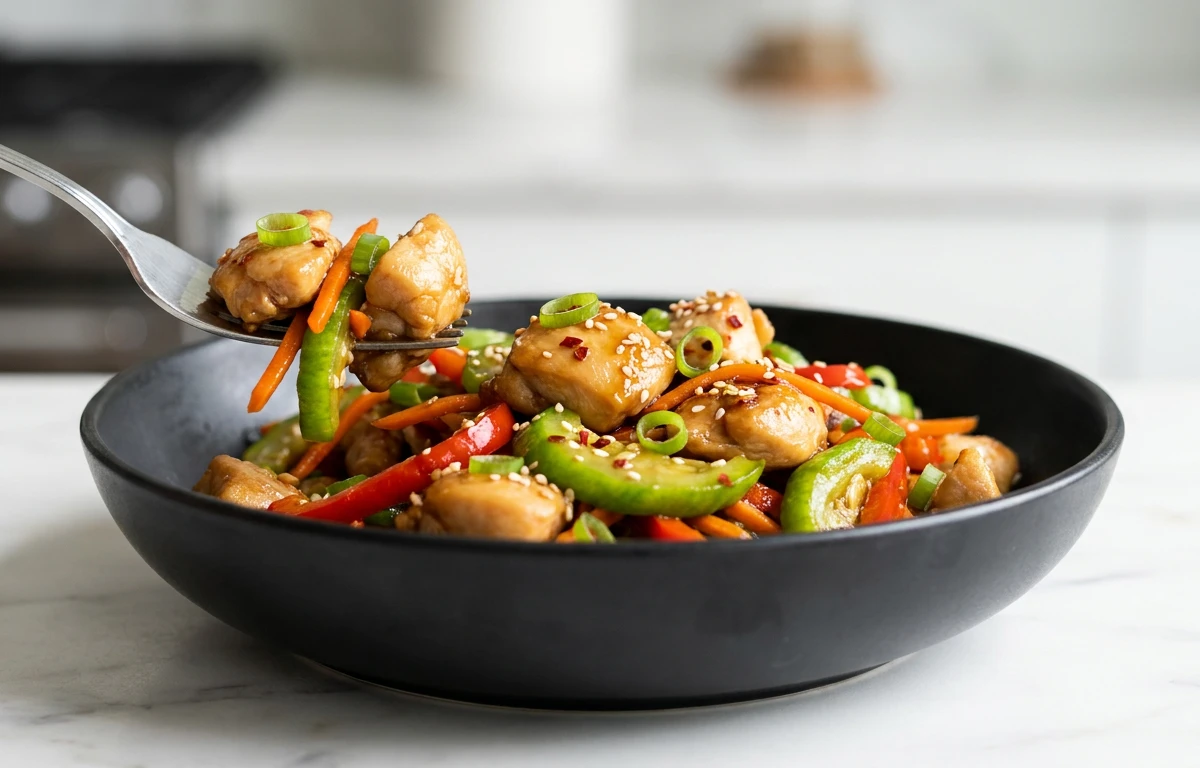
- 2The flesh has a mild flavor and readily absorbs spices, making it excellent for curries, stir-fries, and stews.
- 3It cooks quickly; sauté or steam for 5-8 minutes until tender-crisp to avoid it becoming mushy.
- 4Can be hollowed out and stuffed with spiced lentils, minced meat, or other vegetables before being baked or steamed.
STORAGE
Keep it fresh.
- Store fresh snake gourd in the refrigerator's crisper drawer for up to 5-7 days.
- Keep it unwashed and in a perforated plastic bag to maintain freshness and prevent it from drying out.
FAQ
Frequently asked questions.
Is snake gourd keto-friendly?
Yes, snake gourd is keto-friendly. It contains only 3.7g of carbohydrates per 100g, making it a suitable low-carb vegetable for those following a ketogenic diet.
Is snake gourd vegan and gluten-free?
Snake gourd is a naturally vegan and gluten-free vegetable. It is a plant-based ingredient that contains no animal products or gluten proteins, making it safe for most dietary restrictions.
What does snake gourd taste like?
Snake gourd has a very mild, neutral, and slightly sweet flavor, similar to a cucumber or a light summer squash. Because of its subtle taste, it easily absorbs the flavors of the spices, broths, or sauces it is cooked with.
How do you prepare snake gourd for cooking?
To prepare snake gourd, wash it thoroughly and lightly scrape the outer skin if it appears waxy. Slice it open lengthwise to remove the fibrous pith and seeds (especially in mature gourds) before chopping it into rounds or cubes for stir-fries and curries.
Can you eat snake gourd raw?
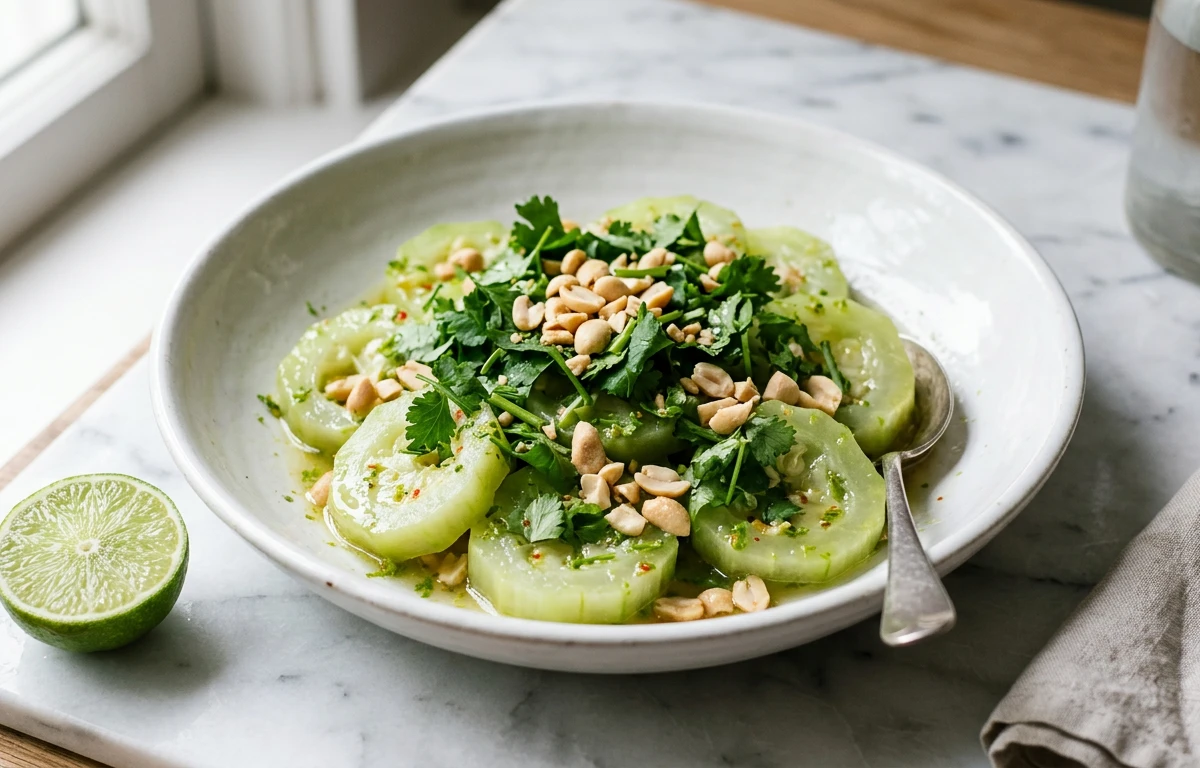
While snake gourd is most commonly eaten cooked in stews and stir-fries, young and tender gourds can be eaten raw in salads or used in vegetable juices. However, cooking is generally preferred to improve texture and digestibility.
Do you need to remove the seeds from snake gourd?
If the snake gourd is young and small, the seeds are usually soft and edible. For larger, more mature gourds, the seeds become hard and bitter, so they should be scooped out and discarded before cooking.
How do you store snake gourd and how long does it last?
Store fresh snake gourd in the refrigerator, ideally wrapped in a paper towel and placed inside a plastic bag to maintain moisture. It typically stays fresh for about 4 to 6 days when stored properly.
How do you know if a snake gourd is fresh?
A fresh snake gourd should be firm to the touch and have a bright, consistent green color. Avoid gourds that feel limp, have soft spots, or show signs of yellowing, as these are indicators that the vegetable is past its prime.
RECIPES
Cook with snake gourd.
10 recipes · sorted by what’s quick
.webp)
.webp)
RELATED GUIDES



















