Other2 recipes
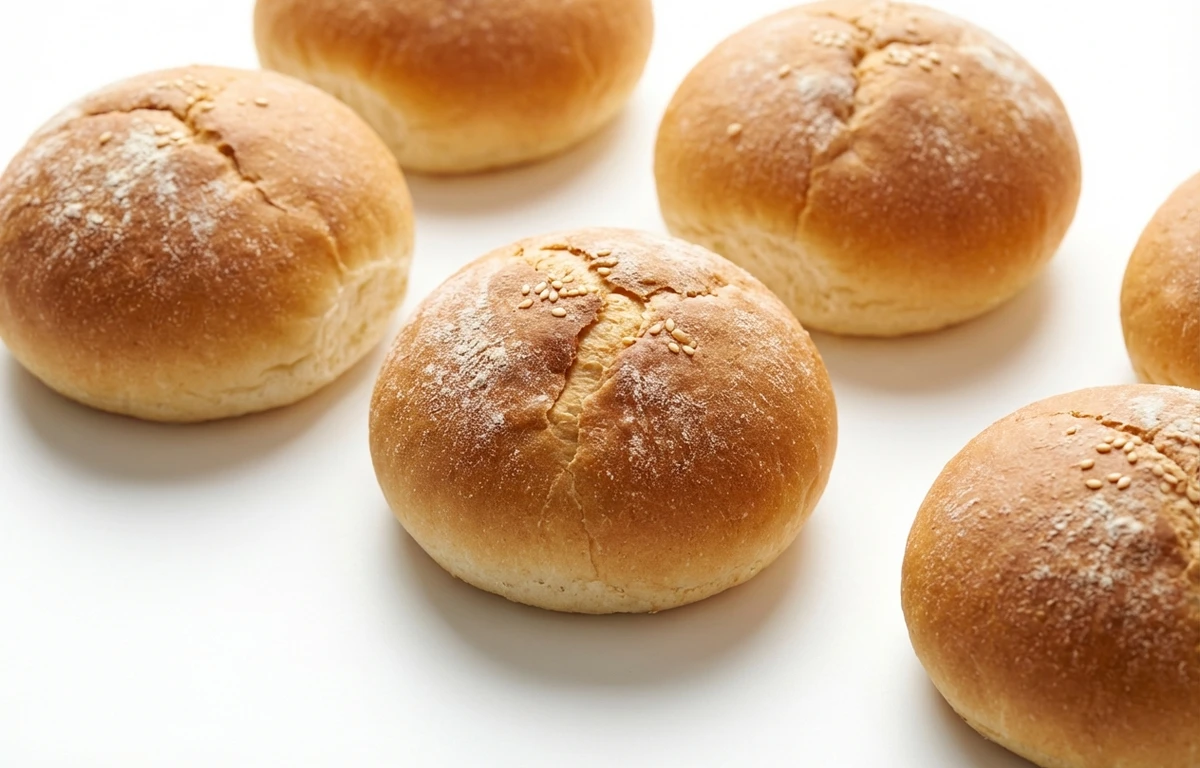
soft buns.
VegetarianVeganGluten-freeDairy-freeNut-freePeanut-freeSoy-freeEgg-freeShellfish-freeHoney-freeAlcohol-freeFermented
ALSO KNOWN AS
pav bunsdinner rollsbuns
SERVING
CALORIES
280
PROTEIN
9.0g
CARBS
52g
FAT
4.0g
FIBER
2.0g
Per 100 g, it provides 0.70 µg of vitamin K.
NUTRITION PROFILE · per 100 g
Everything in this ingredient.
MACRONUTRIENTS
Calories280kcal—
Protein9.0g18%
Carbohydrates52g19%
Fiber2.0g7%
Sugar6.0g12%
Total fat4.0g5%
Saturated fat0.80g4%
Trans fat0g—
Cholesterol10mg3%
Water33g—
MINERALS
Sodium450mg20%
Potassium120mg3%
Calcium100mg8%
Iron2.0mg11%
Magnesium20mg5%
Phosphorus100mg8%
Zinc0.40mg4%
Copper0.08mg9%
Manganese0.22mg10%
Selenium19.5µg35%
VITAMINS
Vitamin A5.0µg1%
Vitamin C0mg0%
Vitamin D0µg0%
Vitamin E0.10mg1%
Vitamin K0.70µg1%
Thiamin (B1)0.22mg18%
Riboflavin (B2)0.16mg12%
Niacin (B3)2.1mg13%
Pantothenic acid (B5)0.20mg4%
Vitamin B60.04mg2%
Folate (B9)79µg20%
Vitamin B120µg0%
%DV based on a 2,000 cal diet. Source: USDA FoodData Central. A dash in the %DV column means there’s no established Daily Value for that nutrient.
MEASUREMENT CONVERSIONS
How much is what.
1 piece43g
HEALTH BENEFITS
Why eat it.
- ✓Provides a quick source of energy from carbohydrates, which fuels the body and brain.
- ✓Often enriched with B vitamins (thiamin, niacin, riboflavin) and iron, supporting energy metabolism and red blood cell production.
- ✓Serves as a convenient base for nutrient-dense meals when paired with lean proteins, vegetables, and healthy fats.
COOKING TIPS
In the kitchen.
- 1Toast or grill the cut sides of the buns with butter or oil to create a barrier that prevents sogginess from sauces and fillings.
- 2Briefly warm buns in a microwave (wrapped in a damp paper towel for 10-15 seconds) or steam them to restore a soft, fluffy texture.
- 3Brush the tops with melted butter and sprinkle with sesame or poppy seeds before a final warming in the oven for enhanced flavor and appearance.
- 4Use stale soft buns to make homemade croutons, breadcrumbs, or a base for bread pudding.
STORAGE
Keep it fresh.
- Store in a cool, dry place like a pantry or bread box in their original packaging for 3-5 days to maintain freshness.
- For long-term storage, place buns in a freezer-safe bag, remove excess air, and freeze for up to 3 months. Thaw at room temperature.
FAQ
Frequently asked questions.
Are soft buns healthy?
Soft buns provide a quick source of energy and are often enriched with B vitamins and iron, which support metabolism. However, they are relatively high in refined carbohydrates and should be balanced with fiber-rich vegetables and lean proteins for a complete meal.
How many calories and carbs are in soft buns?
A 100g serving of soft buns typically contains approximately 280 calories and 52g of carbohydrates. They also provide about 9g of protein and 4g of fat, making them a significant source of daily energy.
Are soft buns vegan?
Not always. While many basic buns are vegan, many 'soft' varieties like brioche or enriched buns contain milk, butter, or eggs to achieve their fluffy texture. Always check the ingredient list for dairy or animal byproducts.
Are soft buns keto-friendly?
No, soft buns are not keto-friendly because they are high in carbohydrates (52g per 100g). A single bun can exceed the daily carb limit for most people following a strict ketogenic diet.
How should I store soft buns to keep them fresh?
Store soft buns in their original airtight packaging at room temperature in a cool, dry place. Avoid the refrigerator, as the cold environment actually causes the starch to recrystallize, making the bread go stale faster.
Can I freeze soft buns?
Yes, soft buns freeze excellently for up to 3 months. Place them in a heavy-duty freezer bag and squeeze out as much air as possible; thaw them at room temperature for an hour before using.
How do I know if soft buns have gone bad?
Check for any visible spots of mold, which can be white, green, or black. Additionally, if the buns have a sour or off-putting smell, or if they have become extremely hard and dry, they should be discarded.
RECIPES
Cook with soft buns.
2 recipes · sorted by what’s quick