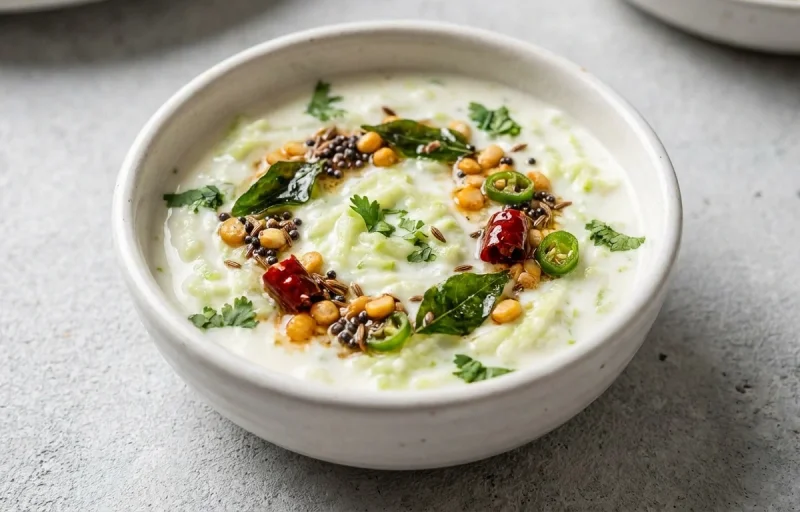
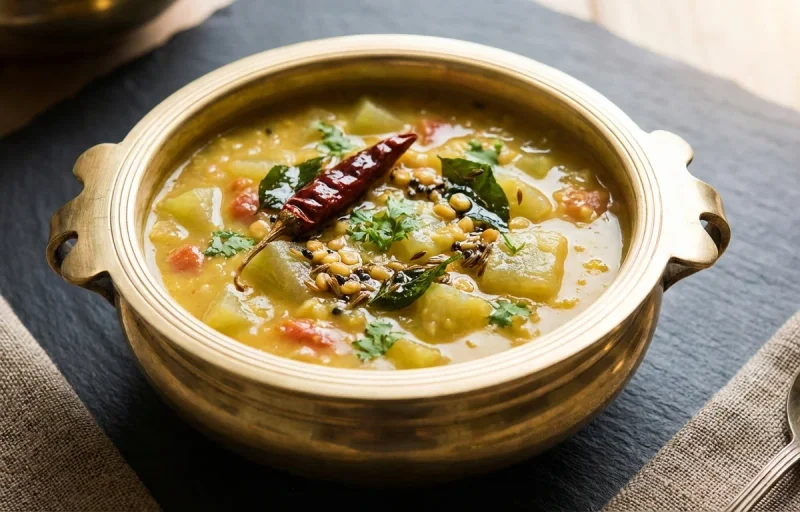
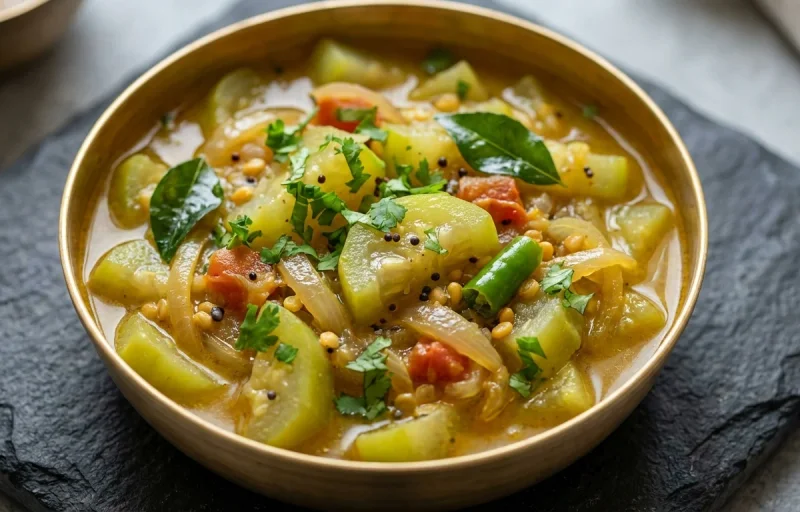
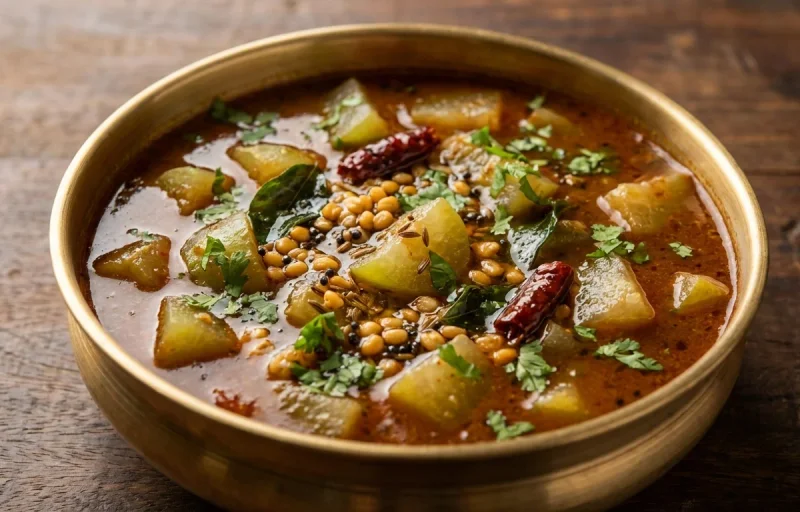
vegetable2 recipes
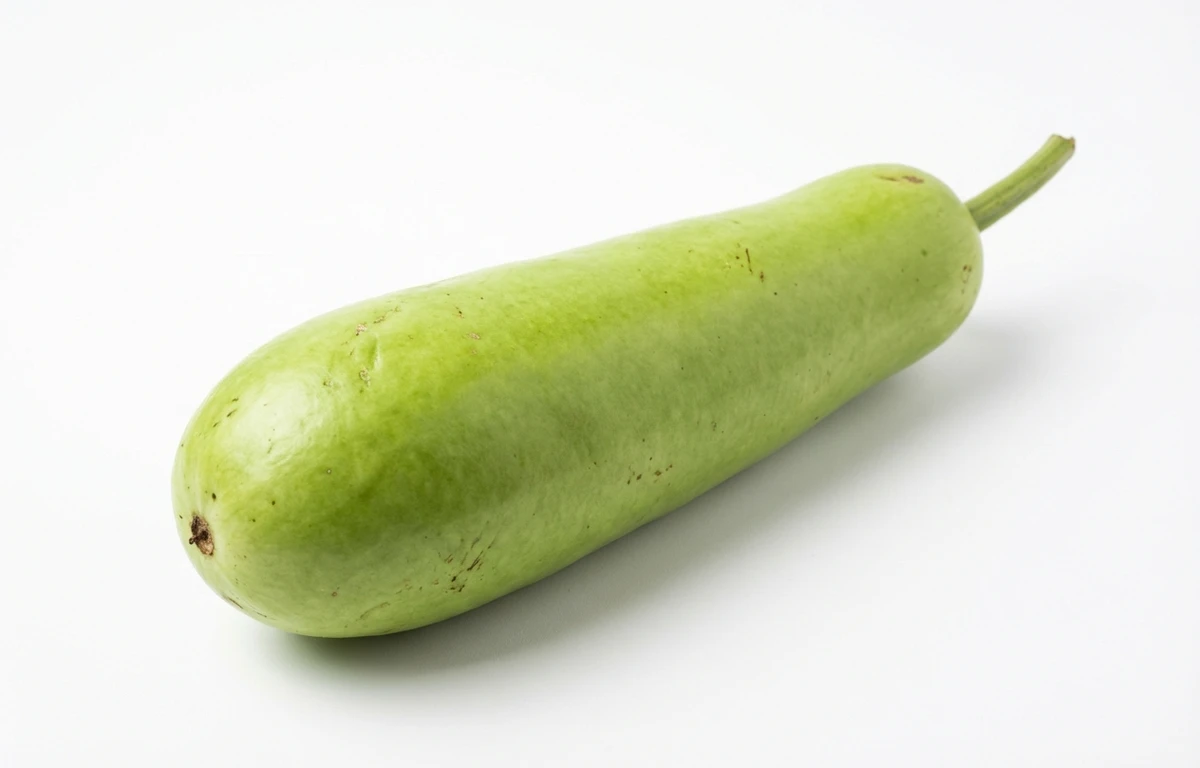
sorakaya.
VegetarianVeganGluten-freeDairy-freeNut-freePeanut-freeSoy-freeEgg-freeShellfish-freeHoney-freeAlcohol-freeHalalKosher
ALSO KNOWN AS
laukidudhicalabashghiyasorakayasorekayianapakayalong bottle gourddark green laukielongate dark green bottle gourd
SERVING
CALORIES
14
PROTEIN
0.60g
CARBS
3.4g
FAT
0.02g
FIBER
0.50g
NUTRITION PROFILE · per 100 g
Everything in this ingredient.
MACRONUTRIENTS
Calories14kcal—
Protein0.60g1%
Carbohydrates3.4g1%
Fiber0.50g2%
Sugar1.6g3%
Total fat0.02g0%
Saturated fat0g0%
Trans fat0g—
Cholesterol0mg0%
Water96.1g—
MINERALS
Sodium2.0mg0%
Potassium150mg3%
Calcium26mg2%
Iron0.20mg1%
Magnesium11mg3%
Phosphorus13mg1%
Zinc0.70mg6%
Copper0.03mg3%
Manganese0.06mg3%
Selenium0.20µg0%
VITAMINS
Vitamin A7.0µg1%
Vitamin C10.1mg11%
Vitamin D0µg0%
Vitamin E0.02mg0%
Vitamin K0.60µg1%
Thiamin (B1)0.03mg3%
Riboflavin (B2)0.02mg2%
Niacin (B3)0.40mg3%
Pantothenic acid (B5)0.15mg3%
Vitamin B60.04mg2%
Folate (B9)6.0µg2%
Vitamin B120µg0%
%DV based on a 2,000 cal diet. Source: USDA FoodData Central. A dash in the %DV column means there’s no established Daily Value for that nutrient.
MEASUREMENT CONVERSIONS
How much is what.
1 cup130g
HEALTH BENEFITS
Why eat it.
- ✓High water content (over 90%) promotes hydration and has a cooling effect on the body.
- ✓Low in calories and rich in dietary fiber, which aids in weight management and promotes digestive health.
- ✓Good source of essential nutrients including Vitamin C, Vitamin B, calcium, and iron.
- ✓Traditionally used to support urinary health due to its diuretic properties.
COOKING TIPS
In the kitchen.
- 1Peel the outer skin before cooking, as it can be tough. The white flesh is tender and cooks quickly.
- 2Its mild, neutral flavor allows it to absorb spices and flavors well, making it ideal for curries, stews, and lentil dishes (dal).
- 3Can be grated and used to make savory dumplings (koftas), added to batters for flatbreads, or even used in desserts like 'Lauki Halwa'.
- 4Avoid overcooking, as it can become mushy. Cook until it is tender-crisp to retain some texture.
STORAGE
Keep it fresh.
- Store whole, unwashed sorakaya (bottle gourd) in the refrigerator's crisper drawer for up to two weeks.
- Once cut, wrap the exposed surface tightly with plastic wrap or place in an airtight container and refrigerate for up to 3-4 days.
FAQ
Frequently asked questions.
Is sorakaya healthy?
Yes, sorakaya is highly nutritious and low in calories. It is rich in Vitamin C, Vitamin B, calcium, and iron, and its high water content of over 90% makes it excellent for hydration and providing a cooling effect on the body.
Is sorakaya good for weight loss?
Absolutely. With only 14 calories per 100g and high dietary fiber, it helps promote satiety while providing essential nutrients. Its negligible fat content makes it an ideal vegetable for weight management diets.
What are the main health benefits of sorakaya?
Beyond hydration, sorakaya aids digestion and supports urinary health due to its natural diuretic properties. It is also traditionally used to reduce body heat and improve digestive regularity through its fiber content.
Is sorakaya keto-friendly?
Yes, sorakaya is keto-friendly as it contains only about 3.4g of carbohydrates per 100g. Its high fiber and water content make it a great low-carb vegetable for those following a ketogenic lifestyle.
Is sorakaya suitable for diabetics?
Yes, it is an excellent choice for diabetics because it has a low glycemic index and is high in fiber. This combination helps in maintaining stable blood sugar levels while providing necessary vitamins and minerals.
How do you prepare sorakaya for cooking?
Wash the vegetable and peel the tough outer skin with a vegetable peeler. Cut it into halves, remove any large or hard seeds if necessary, and chop it into cubes or slices for use in curries, dals, or soups.
What does sorakaya taste like?
Sorakaya has a very mild, slightly sweet, and neutral flavor, similar to a cucumber or a light summer squash. Because of its mildness, it easily absorbs the flavors of the spices and sauces it is cooked with.
Can you eat sorakaya raw?
While it can be juiced, it is generally recommended to cook sorakaya to ensure it is easy to digest. Always taste a small piece first; if it tastes extremely bitter, discard it immediately as it may contain toxic compounds called cucurbitacins.
How do you store sorakaya and how long does it last?
Store whole sorakaya in the refrigerator's crisper drawer, where it can last for 1 to 2 weeks. Once cut, wrap the remaining portion tightly in plastic wrap or store in an airtight container and use it within 2 to 3 days.
How can you tell if sorakaya is fresh or spoiled?
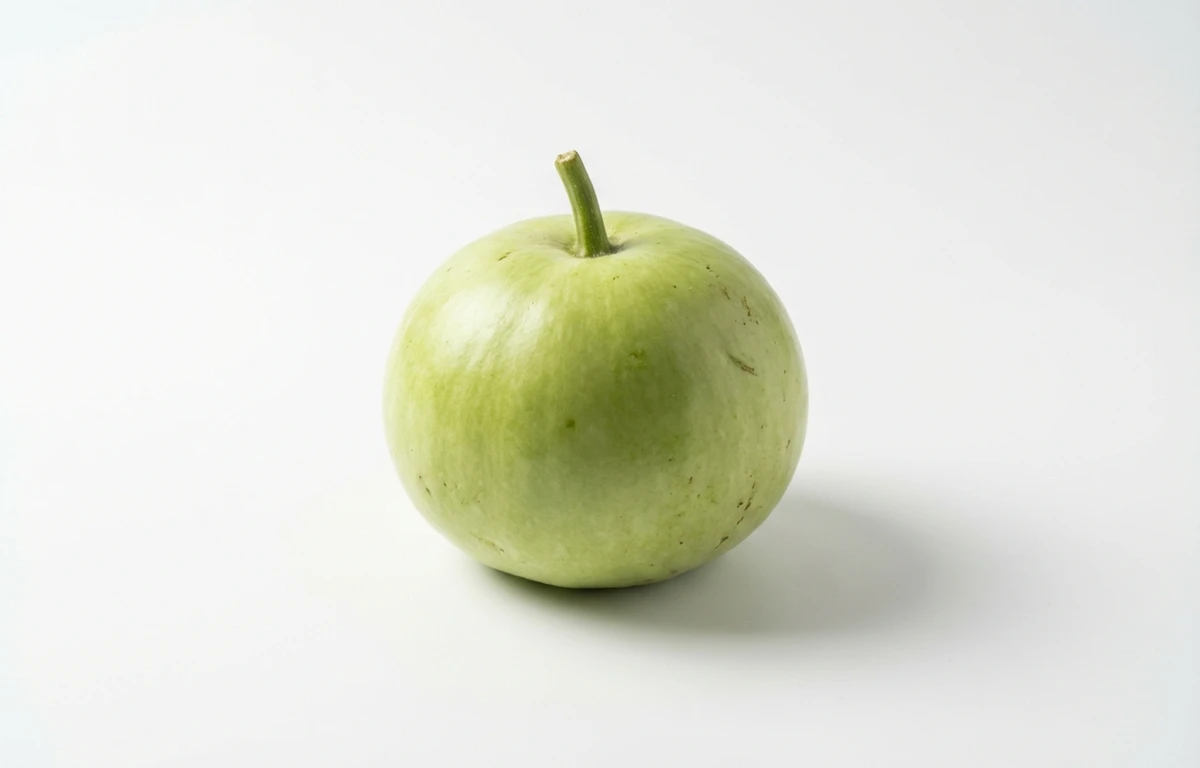
Fresh sorakaya should have a firm texture, smooth pale-green skin, and feel heavy for its size. If it feels soft, has dark mushy spots, or has shriveled skin, it is likely spoiled and should be discarded.
RECIPES
Cook with sorakaya.
2 recipes · sorted by what’s quick