
Spice
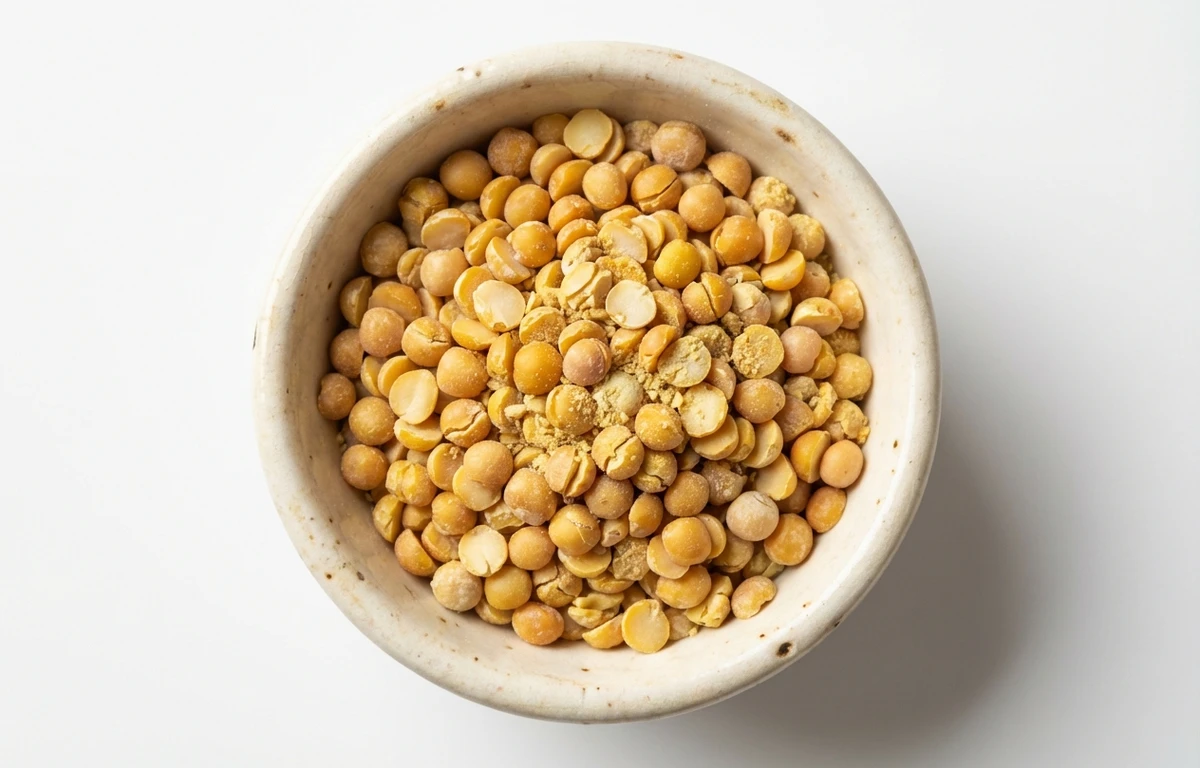
split mustard seeds.
VegetarianVeganGluten-freeDairy-freeNut-freePeanut-freeSoy-freeEgg-freeShellfish-freeHoney-freeAlcohol-free
ALSO KNOWN AS
Split Mustard SeedsPili Rai na KuriaRai Dalmustard dalrai kuriarai na kuriacracked mustard seedssarson ki dalyellow mustard dal
SERVING
CALORIES
508
PROTEIN
26.1g
CARBS
28.1g
FAT
36.2g
FIBER
12.2g
NUTRITION PROFILE · per 100 g
Everything in this ingredient.
MACRONUTRIENTS
Calories508kcal—
Protein26.1g52%
Carbohydrates28.1g10%
Fiber12.2g44%
Sugar6.8g14%
Total fat36.2g46%
Saturated fat2.0g10%
Trans fat0g—
Cholesterol0mg0%
Water5.3g—
MINERALS
Sodium13mg1%
Potassium738mg16%
Calcium266mg20%
Iron9.2mg51%
Magnesium370mg88%
Phosphorus828mg66%
Zinc6.1mg55%
Copper0.60mg67%
Manganese2.4mg104%
Selenium208µg378%
VITAMINS
Vitamin A3.0µg0%
Vitamin C7.1mg8%
Vitamin D0µg0%
Vitamin E5.1mg34%
Vitamin K5.4µg5%
Thiamin (B1)0.80mg67%
Riboflavin (B2)0.30mg23%
Niacin (B3)4.7mg29%
Pantothenic acid (B5)0.80mg16%
Vitamin B60.40mg24%
Folate (B9)162µg41%
Vitamin B120µg0%
%DV based on a 2,000 cal diet. Source: USDA FoodData Central. A dash in the %DV column means there’s no established Daily Value for that nutrient.
MEASUREMENT CONVERSIONS
How much is what.
1 cup150g
1 tablespoon9g
1 teaspoon3g
1 oz28.4g
1 lb453.6g
1 ml0.6g
1 liter600g
HEALTH BENEFITS
Why eat it.
- ✓Rich source of selenium and magnesium which have anti-inflammatory properties
- ✓Contains glucosinolates which may help inhibit the growth of cancer cells
- ✓High in dietary fiber which aids in healthy digestion
- ✓Good source of omega-3 fatty acids and manganese
- ✓Stimulates appetite and boosts metabolism
COOKING TIPS
In the kitchen.
- 1Primarily used in Indian pickling (achaar) to provide a tangy, sharp flavor
- 2Can be lightly toasted or tempered in hot oil to release their essential oils
- 3Avoid overcooking at very high heat for long periods as they can become excessively bitter
STORAGE
Keep it fresh.
- Store in an airtight glass container to preserve the pungent aroma
- Keep in a cool, dark, and dry place away from direct sunlight
- Ensure no moisture enters the container as it can cause the seeds to turn bitter or moldy
FAQ
Frequently asked questions.
What are split mustard seeds (Rai Kuria)?
Split mustard seeds are yellow or brown mustard seeds that have been de-husked and cracked. They are a staple in Indian cuisine, especially for making pickles.
How long do split mustard seeds last?
When stored in an airtight container in a cool, dry place, they can last for up to 1 year. Their potency and aroma will gradually decrease over time.
Can I substitute whole mustard seeds for split ones?
Yes, you can coarsely grind whole yellow mustard seeds in a mortar and pestle to achieve a similar texture, though the flavor of pre-split 'kuria' is often more refined for pickles.
Are split mustard seeds gluten-free?
Yes, split mustard seeds are naturally gluten-free and safe for those with celiac disease or gluten sensitivity.
Why do my split mustard seeds taste bitter?
Mustard seeds naturally have a sharp, pungent bitterness. However, if they are old or have been exposed to moisture, the bitterness can become unpleasant. Cooking them too long in oil can also increase bitterness.
Do I need to wash split mustard seeds before use?
No, you should not wash them. They are used dry. Introducing water will trigger the enzymatic reaction that creates heat but will also make them spoil quickly if you are using them for pickling.
What is the best way to pick high-quality rai kuria?
Look for seeds that are uniform in color (usually bright yellow), dry, and free from any dust, debris, or web-like structures which indicate pest infestation.
Can split mustard seeds be frozen?
While not strictly necessary, you can freeze them in an airtight bag to extend their shelf life and maintain their pungency for up to 2 years.
What are the most common dishes using split mustard seeds?
They are the star ingredient in Mango Pickle (Aam ka Achar), Lemon Pickle, and various 'Athana' (instant pickles) in Gujarati cuisine.



















