
Loading...
Per 100g
Nutrition data source: USDA FoodData Central
Common measurement equivalents in grams
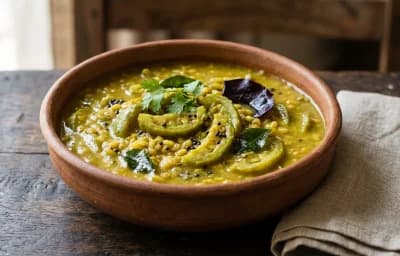
A classic Maharashtrian curry where tender ivy gourd (tendli) and creamy split yellow lentils (moong dal) are simmered in a tangy coconut-spice paste. This comforting dish, with its signature sour notes from kokum, is a wholesome and delightful everyday meal, best enjoyed with steamed rice.
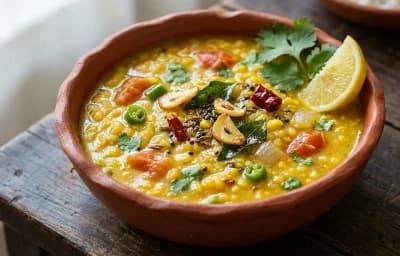
A light and comforting Andhra-style dal made with split yellow lentils (moong dal). It's simply seasoned and finished with a flavorful tempering, making it a perfect everyday dish to enjoy with hot rice and a dollop of ghee.
Yes, split yellow lentils are highly nutritious, providing 24.5g of protein and significant dietary fiber per 100g. They are rich in folate, iron, and antioxidants, which support heart health, red blood cell production, and blood sugar regulation.
Split yellow lentils are an excellent plant-based protein source, containing approximately 24.5g of protein per 100g of dry lentils. This makes them a staple for vegetarians and vegans looking to meet their daily protein requirements.
Yes, their high fiber and protein content promotes satiety, helping you feel full for longer and reducing overall calorie intake. They are also very low in fat, containing only 1.2g per 100g, making them a nutrient-dense, low-calorie option.
Naturally, split yellow lentils are gluten-free and safe for those with celiac disease or gluten sensitivity. However, always check the packaging for potential cross-contamination if they were processed in a facility that also handles wheat or barley.
Yes, split yellow lentils are a 100% plant-based food. They are a core ingredient in many vegan diets due to their high nutrient density and versatility in meat-free recipes like soups, stews, and curries.
While not strictly necessary like larger beans, soaking split yellow lentils for 20-30 minutes can reduce cooking time and improve digestibility. If you choose not to soak them, ensure you rinse them thoroughly under cold water until the water runs clear.
They have a mild, slightly sweet, and nutty flavor that is less earthy than green or brown lentils. Because they are split, they break down easily during cooking, creating a creamy texture that absorbs spices and seasonings very well.
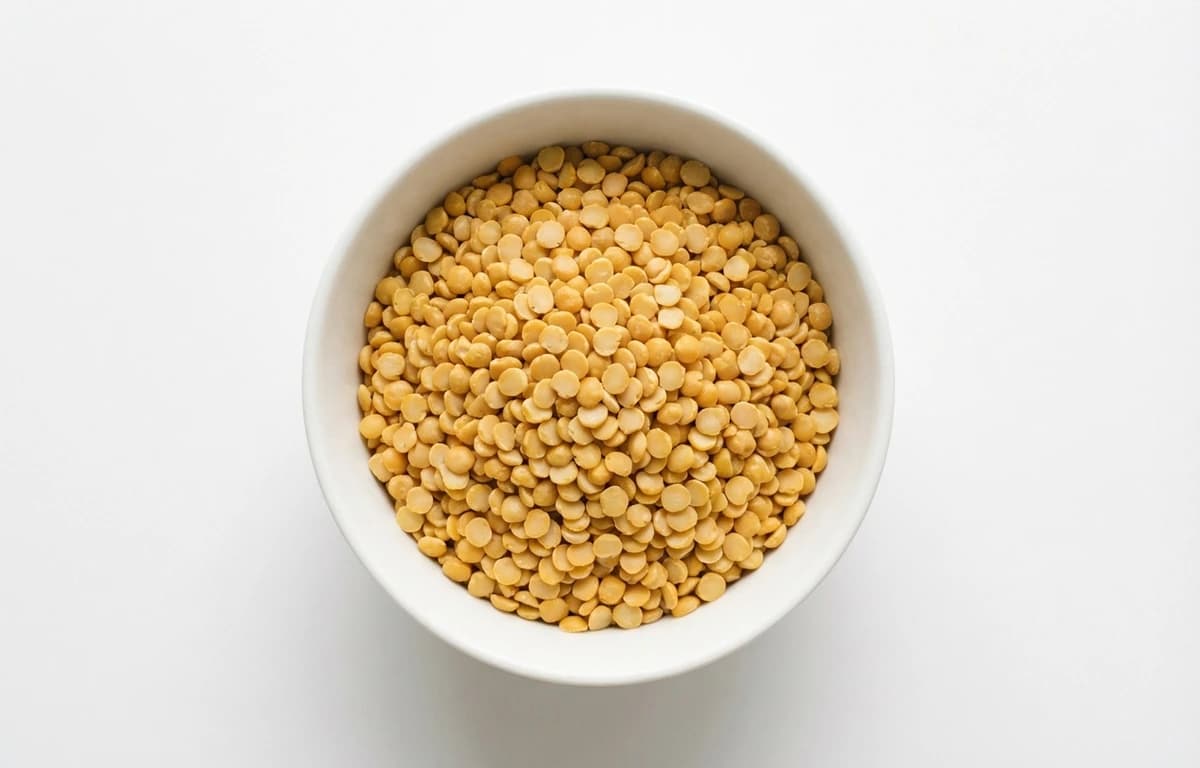
split yellow lentils is a versatile ingredient found in cuisines around the world. With 347 calories per 100g and 24.5 grams of protein, it's a nutritious addition to many dishes.
Explore more ingredients in the protein category with complete nutrition information.
View all protein →Discover 1 recipes featuring split yellow lentils with step-by-step instructions.
Browse recipes →On the stovetop, they typically take 15 to 25 minutes to become soft. Because the outer skin has been removed and the lentil is split, they cook much faster than whole lentils and do not require a pressure cooker, though one can be used to speed up the process.
Store them in an airtight container in a cool, dry, and dark place like a pantry. When kept away from moisture and heat, they can last for up to a year, though older lentils may take slightly longer to soften during cooking.
Yes, split yellow lentils are generally easier to digest than whole legumes because the outer skin, which contains most of the gas-producing complex sugars, has been removed. They are often the first legume introduced to infants or those with sensitive digestive systems.