
Condiment
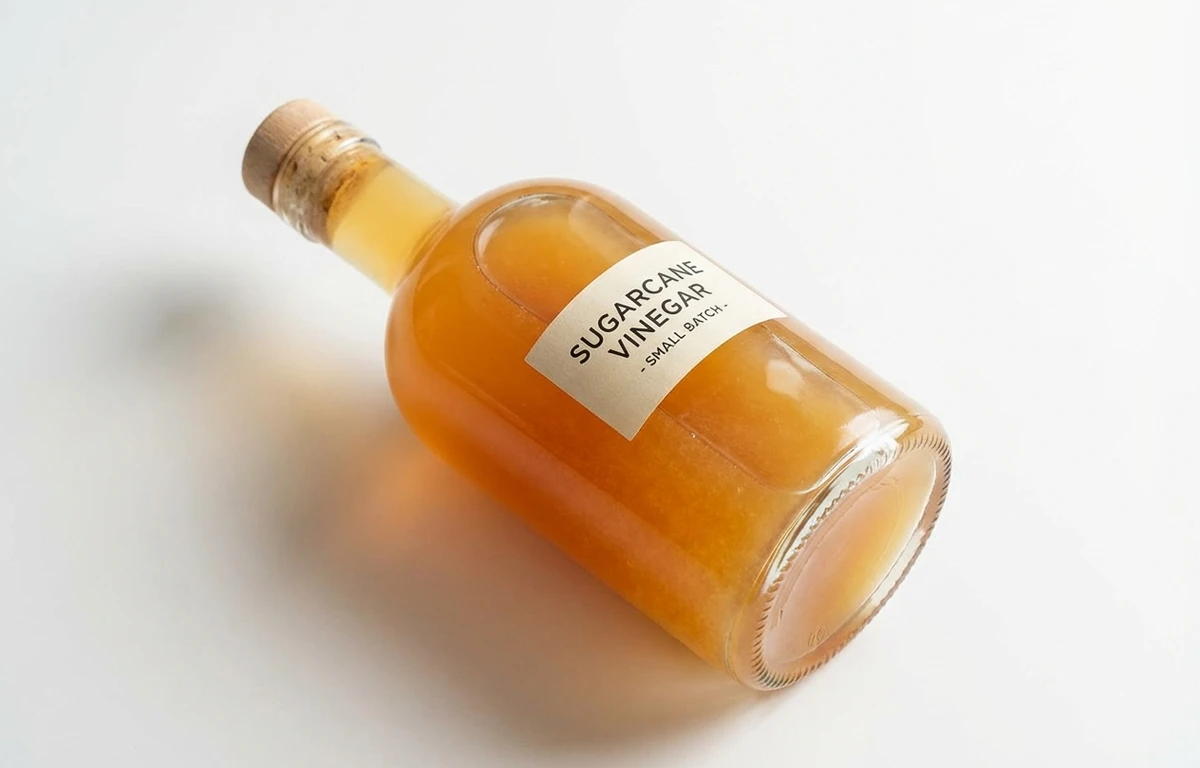
sugarcane vinegar.
VegetarianVeganGluten-freeDairy-freeNut-freePeanut-freeSoy-freeEgg-freeShellfish-freeHoney-freeAlcohol-freeFermented
ALSO KNOWN AS
cane vinegarsukang ilocosukang maasim
SERVING
CALORIES
18
PROTEIN
0g
CARBS
1.0g
FAT
0g
FIBER
0g
NUTRITION PROFILE · per 100 g
Everything in this ingredient.
MACRONUTRIENTS
Calories18kcal—
Protein0g0%
Carbohydrates1.0g0%
Fiber0g0%
Sugar0.50g1%
Total fat0g0%
Saturated fat0g0%
Trans fat0g—
Cholesterol0mg0%
Water98.5g—
MINERALS
Sodium5.0mg0%
Potassium15mg0%
Calcium8.0mg1%
Iron0.20mg1%
Magnesium2.0mg0%
Phosphorus4.0mg0%
Zinc0.02mg0%
Copper0.01mg1%
Manganese0.05mg2%
Selenium0.10µg0%
VITAMINS
Vitamin A0µg0%
Vitamin C0mg0%
Vitamin D0µg0%
Vitamin E0mg0%
Vitamin K0µg0%
Thiamin (B1)0mg0%
Riboflavin (B2)0mg0%
Niacin (B3)0mg0%
Pantothenic acid (B5)0mg0%
Vitamin B60mg0%
Folate (B9)0µg0%
Vitamin B120µg0%
%DV based on a 2,000 cal diet. Source: USDA FoodData Central. A dash in the %DV column means there’s no established Daily Value for that nutrient.
MEASUREMENT CONVERSIONS
How much is what.
1 cup242g
1 tablespoon15g
1 teaspoon5g
1 oz28.4g
1 lb453.6g
1 ml1g
1 liter1010g
HEALTH BENEFITS
Why eat it.
- ✓Contains antioxidants that help fight oxidative stress
- ✓Low in calories, making it a healthy flavor enhancer
- ✓May help in regulating blood sugar levels when consumed with meals
- ✓Possesses antimicrobial properties that can aid in food preservation
- ✓Acetic acid content may support digestive health
COOKING TIPS
In the kitchen.
- 1Ideal for Filipino dishes like Adobo and Paksiw due to its mellow acidity
- 2Use as a base for 'sawsawan' (dipping sauces) by adding garlic, chilies, and soy sauce
- 3Excellent for pickling vegetables as it doesn't overpower the natural flavors
STORAGE
Keep it fresh.
- Store in a cool, dark place away from direct sunlight to maintain flavor
- Keep the bottle tightly sealed to prevent evaporation and contamination
- Does not require refrigeration even after opening due to its high acidity
FAQ
Frequently asked questions.
How long does sugarcane vinegar last?
Sugarcane vinegar has an almost indefinite shelf life due to its acidity, but for best quality, it is recommended to use it within 2 years of opening.
Does sugarcane vinegar taste like sugar?
No, while it is made from sugarcane juice, the fermentation process converts the sugars into acetic acid, resulting in a tangy, mellow flavor that is less harsh than white distilled vinegar.
What is the best substitute for sugarcane vinegar?
Rice vinegar or apple cider vinegar are the best substitutes as they share a similar mild acidity and slightly fruity profile.
Is sugarcane vinegar gluten-free?
Yes, sugarcane vinegar is naturally gluten-free as it is derived from sugarcane juice and not from grain sources.
Can I use sugarcane vinegar for cleaning?
While it can be used for cleaning due to its acetic acid content, it is generally more expensive and has a distinct aroma compared to standard white distilled vinegar.
Why is my sugarcane vinegar cloudy?
Cloudiness or sediment is often natural, especially in organic or artisanal varieties, and is usually the 'mother' of vinegar, which is safe to consume.
Is sugarcane vinegar the same as Sukang Paombong?
No, Sukang Paombong is traditionally made from nipa palm sap, whereas sugarcane vinegar is made from fermented sugarcane juice.
How is sugarcane vinegar made?
It is produced by fermenting the juice extracted from harvested sugarcane, which first turns into wine (alcohol) and then into vinegar (acetic acid).



















