seafood1 recipes
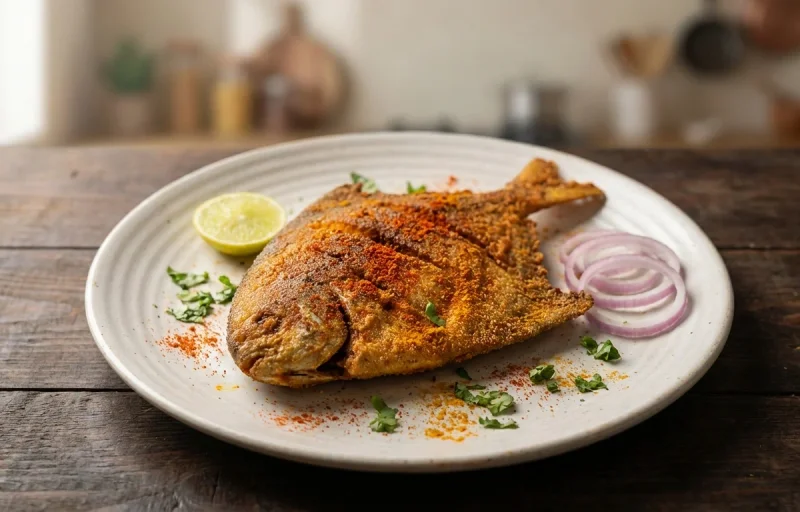
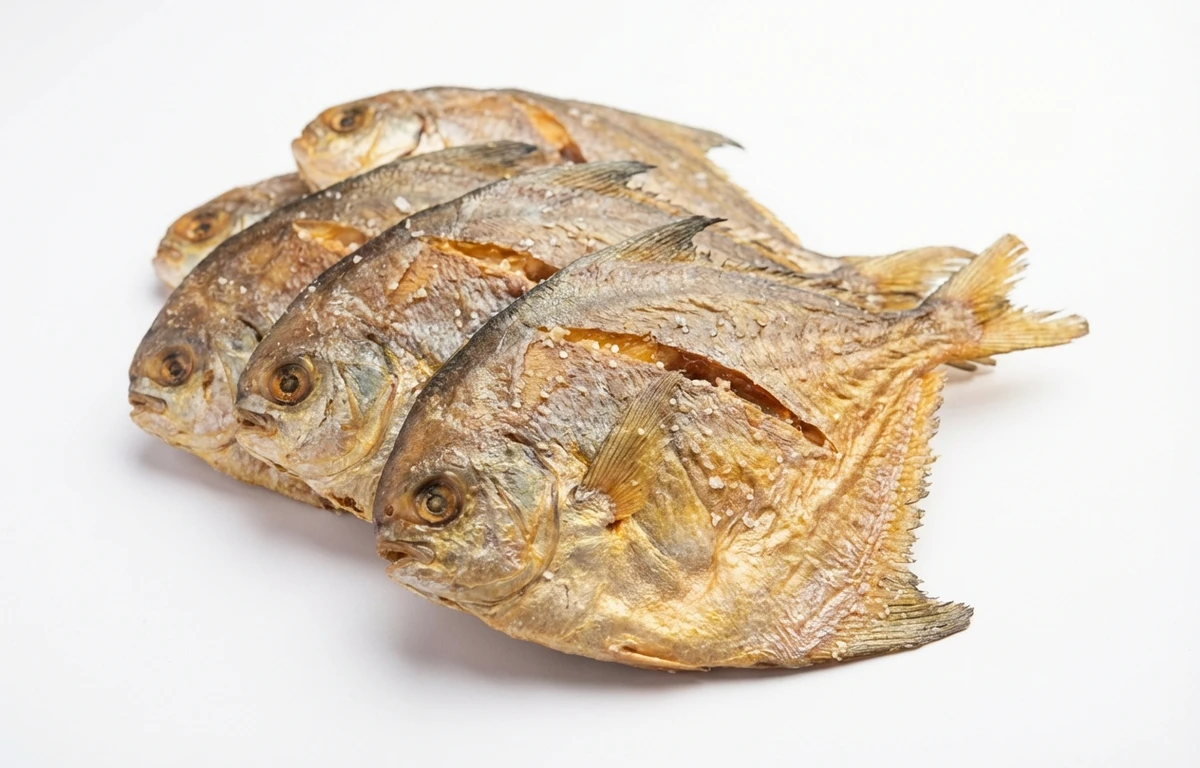
sun-dried pomfret.
VegetarianVeganGluten-freeDairy-freeNut-freePeanut-freeSoy-freeEgg-freeShellfish-freeHoney-freeAlcohol-free
SERVING
CALORIES
280
PROTEIN
55g
CARBS
0g
FAT
6.0g
FIBER
0g
NUTRITION PROFILE · per 100 g
Everything in this ingredient.
MACRONUTRIENTS
Calories280kcal—
Protein55g110%
Carbohydrates0g0%
Fiber0g0%
Sugar0g0%
Total fat6.0g8%
Saturated fat1.5g8%
Trans fat0g—
Cholesterol150mg50%
Water15g—
MINERALS
Sodium3500mg152%
Potassium800mg17%
Calcium250mg19%
Iron3.0mg17%
Magnesium100mg24%
Phosphorus600mg48%
Zinc2.0mg18%
Copper0.20mg22%
Manganese0.10mg4%
Selenium80µg145%
VITAMINS
Vitamin A10µg1%
Vitamin C0mg0%
Vitamin D5.0µg25%
Vitamin E1.0mg7%
Vitamin K0.50µg0%
Thiamin (B1)0.10mg8%
Riboflavin (B2)0.30mg23%
Niacin (B3)10mg63%
Pantothenic acid (B5)0.50mg10%
Vitamin B60.40mg24%
Folate (B9)10µg3%
Vitamin B125.0µg208%
%DV based on a 2,000 cal diet. Source: USDA FoodData Central. A dash in the %DV column means there’s no established Daily Value for that nutrient.
MEASUREMENT CONVERSIONS
How much is what.
1 cup140g
1 oz28.4g
1 lb453.6g
1 piece70g
HEALTH BENEFITS
Why eat it.
- ✓Excellent source of protein for muscle repair and growth.
- ✓Rich in essential minerals like calcium, phosphorus, and selenium.
- ✓Contains B vitamins crucial for energy metabolism.
- ✓Good source of Omega-3 fatty acids (though some may be lost in drying).
- ✓Long shelf life makes it a convenient protein source.
COOKING TIPS
In the kitchen.
- 1Rinse thoroughly to remove excess salt before cooking.
- 2Soak in water for 30 minutes to several hours (depending on desired saltiness and texture) to rehydrate and reduce salt content.
- 3Can be fried until crispy, added to curries, stir-fries, or used in traditional fish preparations.
STORAGE
Keep it fresh.
- Store in an airtight container in a cool, dry place away from direct sunlight.
- For extended storage, refrigerate or freeze to prevent spoilage and maintain quality.
- Ensure it is completely dry before storage to avoid mold growth.
FAQ
Frequently asked questions.
Is sun-dried pomfret healthy?
Yes, sun-dried pomfret is a highly nutritious, protein-dense food. It is an excellent source of calcium, phosphorus, and selenium for bone health, and provides B vitamins that support energy metabolism. However, because it is often salted during the drying process, it should be consumed in moderation by those monitoring their sodium intake.
How much protein is in sun-dried pomfret?
Sun-dried pomfret is exceptionally high in protein, containing approximately 55g of protein per 100g serving. This concentration occurs because the water content is removed during the drying process, making it one of the most efficient ways to consume marine protein for muscle repair.
Is sun-dried pomfret keto-friendly?
Yes, sun-dried pomfret is ideal for a ketogenic or low-carb diet. It contains 0g of carbohydrates and provides a healthy amount of protein and fats, including Omega-3 fatty acids, which are essential for heart and brain health.
How do you prepare sun-dried pomfret before cooking?
It is best to soak the dried fish in warm water for 15 to 30 minutes before cooking. This softens the flesh and helps leach out excess salt used during the preservation process. After soaking, rinse it thoroughly and pat it dry before frying or adding to a curry.
What does sun-dried pomfret taste like?
It has an intense, concentrated savory flavor known as umami, which is much stronger than fresh fish. The texture is firm and slightly chewy, and it typically carries a salty profile that seasons the entire dish it is cooked in.
Is sun-dried pomfret gluten-free?
Naturally, sun-dried pomfret is 100% gluten-free as it consists only of fish and sometimes salt. However, if you are buying pre-packaged versions with added spices or marinades, check the label to ensure no wheat-based thickeners were used.
How should I store sun-dried pomfret?
Store it in an airtight container in a cool, dry, and dark place to prevent moisture from causing mold. For maximum shelf life and to prevent the natural oils from going rancid, it is highly recommended to store it in the refrigerator or freezer.
How long does sun-dried pomfret last?
When kept in a cool, dry place, it can last for several months. If stored in the freezer, it can remain high-quality for up to a year. Always check for off-smells or visible mold before use.
Can diabetics eat sun-dried pomfret?
Yes, it is a safe option for diabetics because it has a glycemic index of zero and contains no carbohydrates. The high protein content can also help with satiety, though the salt content should be managed if the individual also has hypertension.
Is sun-dried pomfret good for weight loss?
It can be a great addition to a weight loss diet due to its high protein-to-calorie ratio. With 280 calories and 55g of protein per 100g, it helps you feel full longer and supports lean muscle mass while keeping carb intake at zero.
RECIPES
Cook with sun-dried pomfret.
1 recipes · sorted by what’s quick