Loading...
Per 100g
Nutrition data source: USDA FoodData Central
Yes, suvarnagadde (Elephant Foot Yam) is a highly nutritious tuber. It is rich in dietary fiber, which aids digestion, and contains essential minerals like potassium and beneficial compounds like diosgenin that offer anti-inflammatory benefits.
Suvarnagadde is excellent for digestive health due to its high fiber content, which helps prevent constipation. It also supports heart health by providing potassium for blood pressure regulation and has a low glycemic index, which is beneficial for blood sugar management.
A 100g serving of suvarnagadde contains approximately 118 calories and 27.9g of carbohydrates. It is a energy-dense vegetable with a very low fat content of only 0.2g.
No, suvarnagadde is not considered keto-friendly. With nearly 28g of carbohydrates per 100g, it is too high in starch for those following a strict low-carb or ketogenic diet.
Yes, diabetics can include suvarnagadde in their diet in moderation. It has a low glycemic index, meaning it causes a slower rise in blood sugar levels compared to other starchy vegetables like white potatoes.
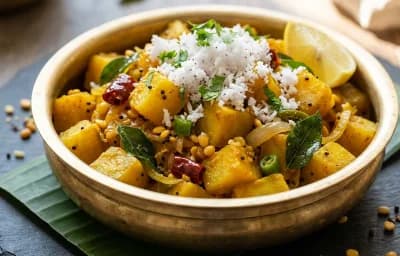
It is typically peeled, cubed, and boiled or pressure-cooked until tender. It is commonly used in Indian curries, stir-fries, and mashes. It is highly recommended to cook it with an acidic ingredient like tamarind or lemon to neutralize crystals that cause itching.
Suvarnagadde contains calcium oxalate crystals which can cause a stinging or itchy sensation in the mouth and throat. To prevent this, always cook the yam thoroughly and use acidic agents like tamarind, buttermilk, or kokum during the boiling process.
suvarnagadde is a versatile ingredient found in cuisines around the world. With 118 calories per 100g and 1.5 grams of protein, it's a nutritious addition to many dishes.
Explore more ingredients in the vegetable category with complete nutrition information.
View all vegetable →Discover 0 recipes featuring suvarnagadde with step-by-step instructions.
Browse recipes →It has a mild, earthy, and nutty flavor. Its texture is similar to a firm potato or a dense sweet potato once cooked, making it excellent at absorbing the flavors of spices and gravies.
Whole, unpeeled suvarnagadde should be stored in a cool, dry, and well-ventilated area away from direct sunlight. Once cut, the exposed surface should be wrapped tightly and stored in the refrigerator, where it will last for 3 to 5 days.
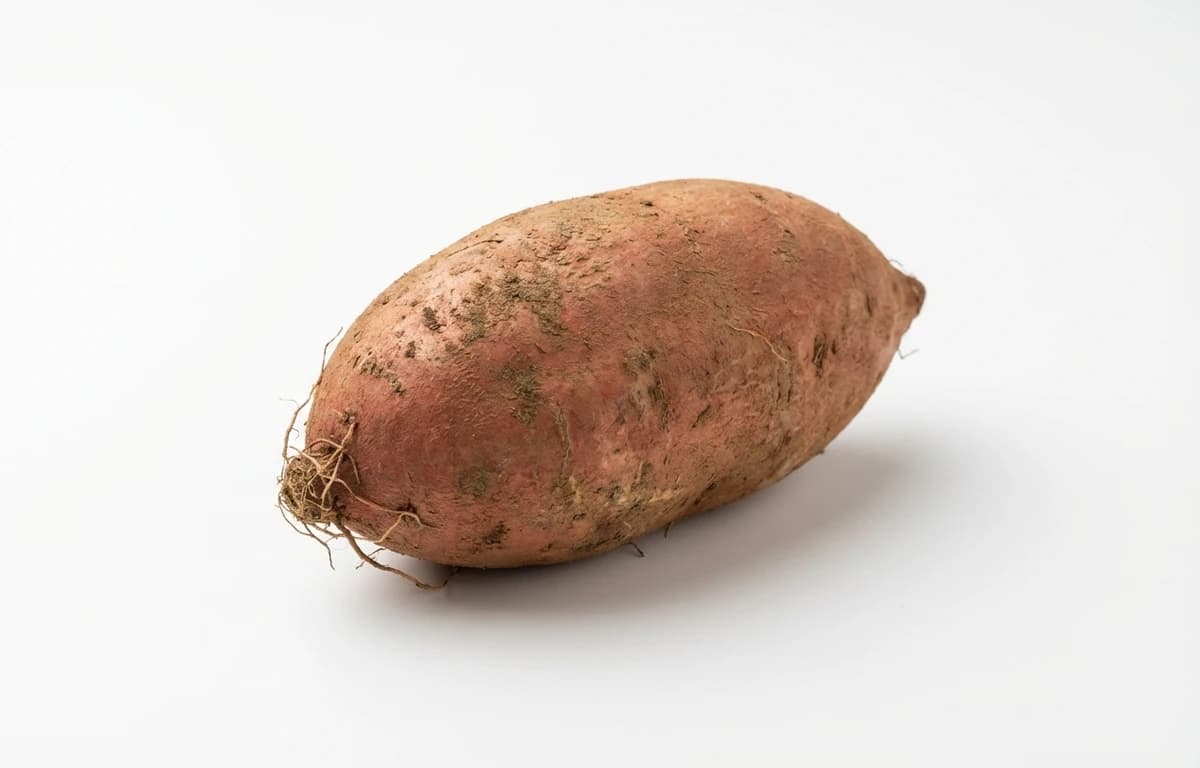
Yes, the outer skin is very thick, rough, and usually covered in dirt. You should wash the tuber thoroughly and use a sharp knife to remove the thick skin entirely before dicing the inner flesh for cooking.