Condiment10 recipes
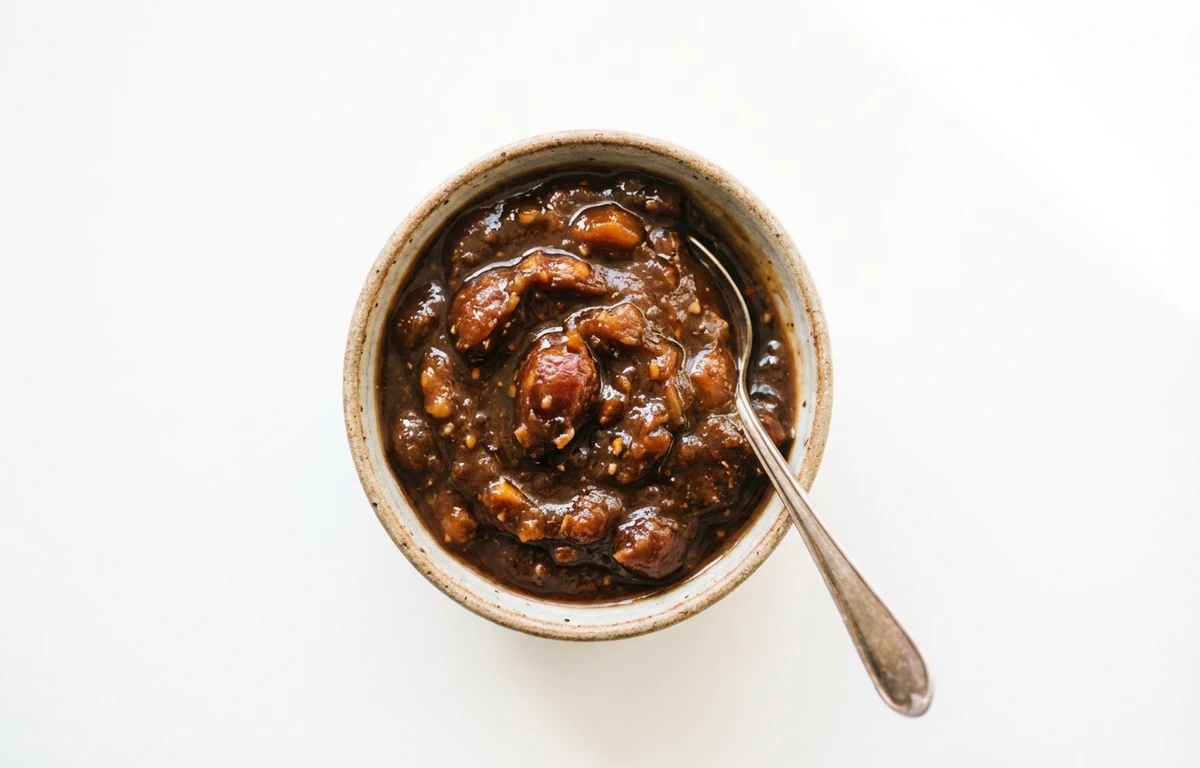
tamarind chutney.
VegetarianVeganGluten-freeDairy-freeNut-freePeanut-freeSoy-freeEgg-freeShellfish-freeHoney-freeAlcohol-free
ALSO KNOWN AS
imli chutneymeethi chutneysaunth chutneytamarind saucesweet tamarind chutneyimli ki chutney
SERVING
CALORIES
180
PROTEIN
1.2g
CARBS
48g
FAT
0.20g
FIBER
1.8g
NUTRITION PROFILE · per 100 g
Everything in this ingredient.
MACRONUTRIENTS
Calories180kcal—
Protein1.2g2%
Carbohydrates48g17%
Fiber1.8g6%
Sugar40g80%
Total fat0.20g0%
Saturated fat0g0%
Trans fat0g—
Cholesterol0mg0%
Water48.5g—
MINERALS
Sodium550mg24%
Potassium250mg5%
Calcium35mg3%
Iron1.5mg8%
Magnesium30mg7%
Phosphorus25mg2%
Zinc0.10mg1%
Copper0.05mg6%
Manganese0.10mg4%
Selenium0.50µg1%
VITAMINS
Vitamin A5.0µg1%
Vitamin C2.0mg2%
Vitamin D0µg0%
Vitamin E0.10mg1%
Vitamin K1.5µg1%
Thiamin (B1)0.05mg4%
Riboflavin (B2)0.02mg2%
Niacin (B3)0.30mg2%
Pantothenic acid (B5)0.10mg2%
Vitamin B60.05mg3%
Folate (B9)5.0µg1%
Vitamin B120µg0%
%DV based on a 2,000 cal diet. Source: USDA FoodData Central. A dash in the %DV column means there’s no established Daily Value for that nutrient.
MEASUREMENT CONVERSIONS
How much is what.
1 cup300g
1 tablespoon18.8g
1 teaspoon6.3g
1 oz28.4g
1 lb453.6g
1 ml1.3g
1 liter1250g
HEALTH BENEFITS
Why eat it.
- ✓Aids digestion due to tamarind and ginger content
- ✓Rich in antioxidants from tamarind pulp
- ✓Contains anti-inflammatory properties from spices
- ✓Good source of magnesium and potassium
- ✓Helps in managing nausea and appetite
COOKING TIPS
In the kitchen.
- 1Simmer on low heat to achieve a thick, syrupy consistency
- 2Balance the tartness of tamarind with jaggery or dates for a complex sweetness
- 3Add roasted cumin powder and black salt at the end for an authentic smoky aroma
STORAGE
Keep it fresh.
- Store in an airtight glass jar to maintain flavor and prevent acidity reaction
- Keep refrigerated; it stays fresh for 3 to 6 months
- Always use a clean, dry spoon to avoid bacterial contamination
FAQ
Frequently asked questions.
How long does tamarind chutney last in the fridge?
When stored in a clean, airtight glass jar, it can last between 3 to 6 months in the refrigerator.
Can I freeze tamarind chutney?
Yes, it freezes very well. You can freeze it in ice cube trays for easy portioning and store for up to 6 months.
What is a good substitute for tamarind chutney?
Date chutney or a mixture of plum jam with a splash of lemon juice and spices can serve as a substitute.
Is tamarind chutney gluten-free?
Yes, traditional tamarind chutney is naturally gluten-free as it is made from fruit pulp, sugar/jaggery, and spices.
Is it suitable for a Jain diet?
Traditional 'Saunth' chutney contains dry ginger powder, which is a root vegetable. Strict Jain diets may exclude it for this reason.
How do I fix chutney that is too sour?
Gradually add more jaggery or sugar while simmering until the tartness is balanced to your preference.
Why did my chutney turn bitter?
Bitterness usually occurs if the tamarind seeds were ground into the pulp or if the spices were burnt during the tempering process.
What are the most common uses for this chutney?
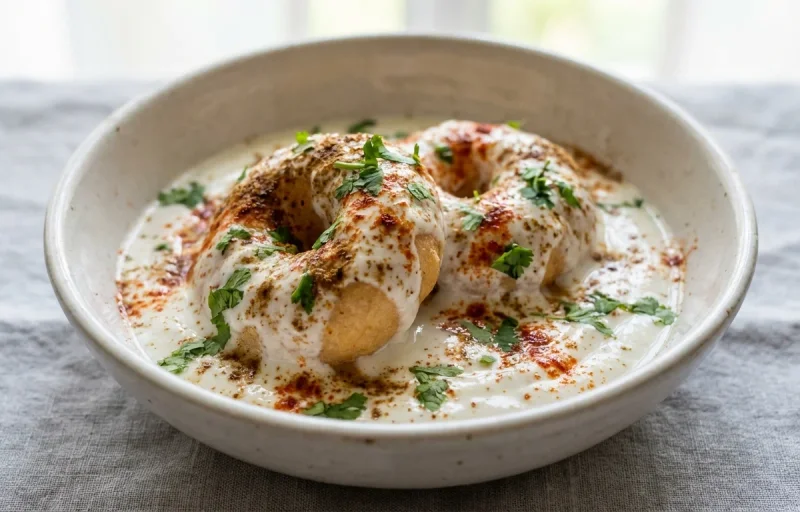
It is a staple accompaniment for Indian snacks like samosas, pakoras, dahi vada, and various chaat dishes.
How can I thicken my tamarind chutney?
Continue to simmer the chutney on low heat to reduce the water content, or add a small amount of date paste.
Does it contain any fat?
Tamarind chutney is virtually fat-free, though it is high in carbohydrates and sugar.
RECIPES
Cook with tamarind chutney.
10 recipes · sorted by what’s quick